Best Moisturizer for Lupus Skin: Gentle Picks That Actually Help
If you’re living with lupus, you already know that your skin has its own set of rules — and they change constantly. One day it’s dry and tight, the next it’s red and reactive. Finding the best moisturizer for lupus skin isn’t just about hydration; it’s about calming inflammation, protecting a compromised skin barrier, and choosing ingredients that won’t trigger a flare. That’s a tall order, but it’s absolutely doable — and this guide is here to help.
I’ve spoken with countless people managing lupus who describe their skincare journey as “trying to defuse a bomb blindfolded.” The stakes feel high, the wrong product can cause real discomfort, and the beauty industry doesn’t exactly shout “formulated for autoimmune skin” on its labels. So let’s cut through the noise together.
Why Lupus Skin Needs Special Moisturizing Attention
Lupus is a systemic autoimmune disease, meaning the immune system mistakenly attacks healthy tissue — including the skin. Cutaneous lupus affects up to 70% of people with the condition, according to the Lupus Foundation of America. Common skin symptoms include the hallmark butterfly rash across the nose and cheeks, photosensitivity, dryness, scaling, and heightened sensitivity to almost everything.
On top of that, many lupus medications — like hydroxychloroquine, corticosteroids, and immunosuppressants — can dry out the skin significantly. So you’re dealing with both disease-related skin changes and medication side effects. That’s a double whammy that demands a thoughtful moisturizing strategy.
Think of your skin barrier like a brick wall. In healthy skin, those bricks (skin cells) are held together tightly by mortar (lipids and ceramides). Lupus essentially weakens the mortar, leaving gaps where irritants sneak in and moisture sneaks out. A great moisturizer acts like a repair crew — filling those gaps and reinforcing the wall.
Key Skin Challenges for People with Lupus
- Extreme photosensitivity: UV exposure can trigger both skin and systemic flares.
- Chronic dryness and dehydration: The skin often struggles to retain moisture.
- Redness and inflammation: Even gentle products can cause irritation.
- Compromised barrier function: Skin is more permeable and reactive.
- Medication-induced dryness: Many lupus treatments strip moisture from the skin.
If chronic dryness is your primary concern alongside lupus, you might also find value in exploring the best moisturizer for dehydrated skin — many of those principles overlap beautifully with what lupus skin needs.
What to Look for in a Moisturizer for Lupus Skin
Not all moisturizers are created equal, and for lupus skin, the ingredient list is everything. Here’s what dermatologists and lupus specialists generally recommend looking for — and avoiding.
Ingredients to Embrace
- Ceramides: These lipid molecules are the backbone of a healthy skin barrier. They help seal in moisture and protect against environmental triggers.
- Hyaluronic acid: A powerhouse humectant that draws water into the skin without irritating it. Lightweight and universally tolerated.
- Niacinamide: Anti-inflammatory, barrier-strengthening, and calming — it’s practically made for sensitive, reactive skin.
- Aloe vera: Naturally soothing and anti-inflammatory. Great for calming redness and the butterfly rash area.
- Colloidal oatmeal: Clinically proven to soothe itching and reduce inflammation. A true gem for autoimmune skin.
- Glycerin: A gentle, effective humectant that works well even on the most sensitive skin types.
- Shea butter: Rich in fatty acids that help restore the lipid barrier without clogging pores.
- Zinc oxide (in SPF formulas): A physical sunscreen that doesn’t irritate and provides crucial UV protection.
Ingredients to Avoid
- Fragrances and parfum: A leading cause of contact dermatitis and flare-ups in sensitive skin.
- Alcohol (denatured): Strips the barrier and causes dryness and irritation.
- Retinoids (in high concentrations): Can be too stimulating for inflamed lupus skin, especially during flares.
- Chemical sunscreen actives (oxybenzone, avobenzone): Can irritate photosensitive skin — stick to mineral options.
- Essential oils: Despite their natural reputation, many are potent irritants for compromised skin.
Best Products for Lupus Skin Moisturizing
Here are five real, commercially available moisturizers that check all the right boxes for lupus-affected skin. These picks are fragrance-free, gentle, barrier-focused, and loved by the sensitive skin community.
| Product | Brand | Key Ingredients | Why It Works for Lupus Skin |
|---|---|---|---|
| Moisturizing Cream | CeraVe | Ceramides 1, 3 & 6-II, hyaluronic acid, glycerin | Developed with dermatologists, fragrance-free, and MVE technology for sustained moisture release. Restores the lipid barrier without irritating reactive skin. |
| Toleriane Double Repair Face Moisturizer | La Roche-Posay | Ceramide-3, niacinamide, glycerin, prebiotic thermal water | Specifically formulated for sensitive and reactive skin. The niacinamide calms redness while ceramides repair the barrier — ideal for lupus flares. |
| Aveeno Calm + Restore Oat Gel Moisturizer | Aveeno | Colloidal oat, feverfew extract, glycerin | Lightweight gel texture is perfect for oily or combination lupus skin. Colloidal oat provides clinically proven anti-inflammatory benefits, reducing itch and redness. |
| Cicaplast Baume B5 | La Roche-Posay | Panthenol (B5), madecassoside, shea butter, zinc | A multi-repairing balm that soothes irritated, damaged skin. Madecassoside has powerful anti-inflammatory properties — excellent for the butterfly rash area. |
| Vanicream Moisturizing Skin Cream | Vanicream | Petrolatum, glycerin, sorbitol, cetearyl alcohol | Free of dyes, fragrances, masking fragrances, lanolin, parabens, and formaldehyde. One of the most hypoallergenic moisturizers available — a safe haven for lupus skin. |
Building a Lupus-Friendly Skincare Routine Around Moisturizer
Choosing the right moisturizer is step one. But how and when you apply it matters just as much. Here’s a simple, lupus-friendly framework to maximize your moisturizer’s effectiveness.
Morning Routine
- Gentle cleanse: Use a fragrance-free, non-foaming cleanser. Avoid hot water — lukewarm is your friend.
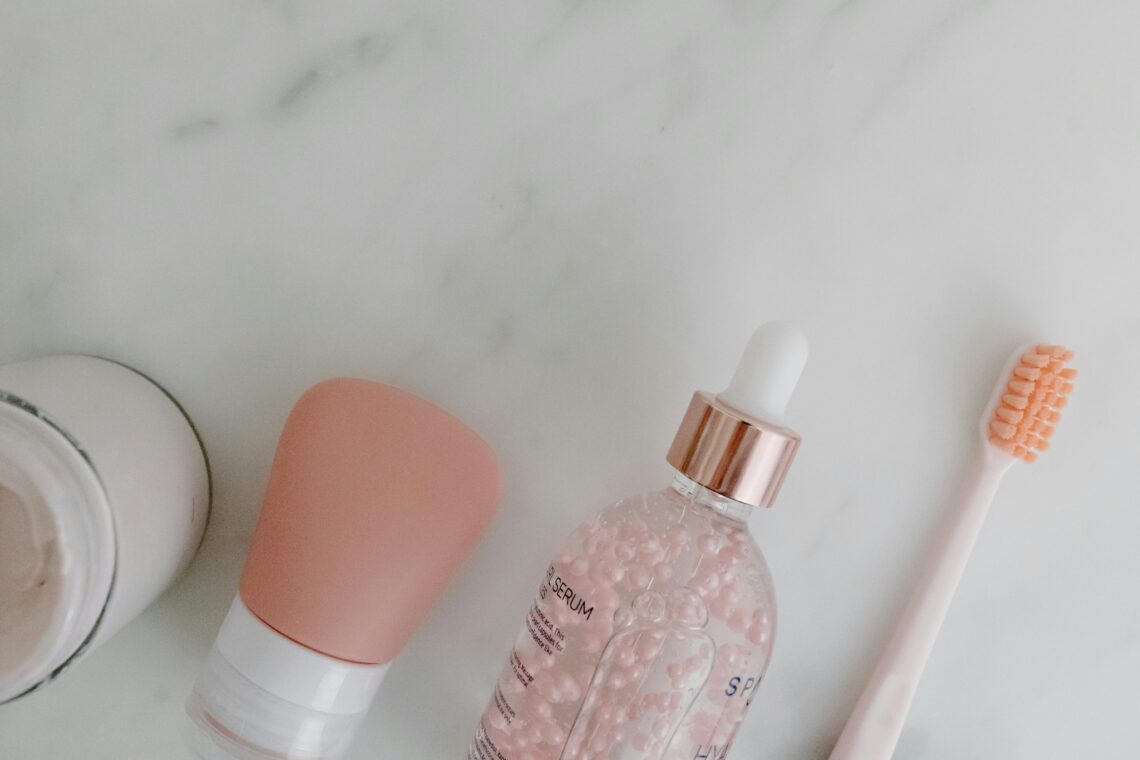
- Hydrating serum or toner: A hyaluronic acid serum adds a layer of hydration before your moisturizer.
- Moisturizer: Apply while skin is still slightly damp to lock in extra moisture.
- Mineral SPF 30+: This is non-negotiable for lupus skin. Look for zinc oxide or titanium dioxide formulas. UV protection isn’t just cosmetic — it’s medical.
Evening Routine
- Double cleanse if wearing SPF: An oil cleanser followed by a gentle water-based cleanser.
- Soothing serum: Niacinamide or aloe-based serums work beautifully at night.
- Rich moisturizer or balm: Nighttime is when your skin repairs itself. This is the time to go in with something more occlusive like Cicaplast Baume or Vanicream.
Consistency is everything. Think of your moisturizer less like a treat and more like a medication — something you apply every single day, regardless of how your skin looks that morning.
Lupus Skin and Uneven Tone: Addressing Both at Once
Many people with lupus also deal with post-inflammatory hyperpigmentation (PIH) — dark spots left behind after rashes or flares. This can affect confidence deeply. The good news is that gentle brightening ingredients like niacinamide and azelaic acid can help address discoloration without irritating compromised skin.
If uneven pigmentation is a concern for you alongside lupus, it’s worth reading about the best moisturizer for uneven skin tone to find products that tackle both issues simultaneously.
Similarly, lupus skin often overlaps with sun damage concerns due to chronic photosensitivity. The best moisturizer for sun damaged skin shares many of the same gentle, reparative principles — making that a worthwhile resource as well.
Natural and Minimal Ingredient Options for Lupus Skin
Some people with lupus prefer to keep their skincare as clean and minimal as possible — fewer ingredients means fewer potential triggers. This is a completely valid approach, and there are excellent options that lean into natural formulations without compromising efficacy.
If you’re drawn to plant-based, minimal-ingredient formulas, exploring the best natural skin moisturizer options can be a great starting point. Look for products with short ingredient lists built around aloe, oat, and plant-derived ceramides.
For those who want one product that works across different skin states — because lupus skin can shift dramatically — checking out the best moisturizer for all skin types might surface some wonderfully versatile, gentle options.
DIY Soothing Tip
While we always recommend clinically tested products, a simple pure aloe vera gel (look for 99% aloe with no additives) can be a wonderful interim soothing step during flares. Keep it in the fridge for an extra cooling effect on inflamed skin. It’s not a replacement for your moisturizer, but it can be a lovely first-aid layer.
A Word on Dewy vs. Matte Finishes for Lupus Skin
Some people with lupus prefer a dewy, luminous finish because it makes dry, dull skin look more alive and healthy. If that resonates with you, the principles behind the best moisturizer for dewy skin — think humectant-rich, lightweight formulas with a glow-enhancing finish — translate wonderfully to lupus skin as long as the formula is fragrance-free and non-irritating.
One thing to watch: if you’re prone to milia (small white cysts under the skin), which can sometimes appear in people with lupus due to blocked follicles or skin barrier disruption, you’ll want to choose non-comedogenic formulas. The best moisturizer for milia prone skin guide covers exactly what to look for in that case.
Tips for Applying Moisturizer During a Lupus Flare
During an active flare, your skin is in crisis mode. Here’s how to adapt your moisturizing approach:
- Less is more: Stick to one or two products maximum. Now is not the time to experiment.
- Cool, not cold: Apply moisturizer with cool hands or a clean spatula to avoid adding heat to inflamed areas.
- Pat, don’t rub: Gentle patting motions reduce friction and additional irritation.
- Avoid actives: Pause any exfoliants, vitamin C, or retinoids until the flare subsides.
- Consult your rheumatologist or dermatologist: If a rash is severe, topical prescription treatments may be needed alongside your moisturizer.
- Hydrate from within: Drinking adequate water supports skin hydration from the inside out — especially important if medications are contributing to dryness.
Frequently Asked Questions
Can moisturizer trigger a lupus flare?
Most gentle, fragrance-free moisturizers won’t trigger a systemic flare. However, products containing fragrances, essential oils, or harsh preservatives can cause localized skin reactions. Always patch-test new products on a small area of skin for 24–48 hours before full application.
Should I use a different moisturizer for my face and body?
Facial skin is generally more sensitive and thinner than body skin, so a lighter, more refined formula is often appropriate for the face. Body moisturizers can be richer and more occlusive. For lupus patients, both should be fragrance-free and hypoallergenic.
Is SPF moisturizer enough for lupus skin?
For daily, incidental sun exposure, a moisturizer with SPF 30+ mineral protection can be sufficient. However, for prolonged outdoor exposure, a dedicated mineral sunscreen applied generously (and reapplied every two hours) is strongly recommended. Sun protection is one of the most important management tools for cutaneous lupus.
Can I use the same moisturizer during a flare and remission?
Yes, if the product is gentle enough. Many people find that using a consistent, trusted moisturizer throughout both phases provides stability and reduces the risk of introducing new irritants during vulnerable periods.
How long before I see improvement in my skin?
With consistent use of an appropriate moisturizer, many people notice improved hydration and reduced tightness within one to two weeks. Barrier repair, however, takes longer — typically four to six weeks of consistent use. Be patient and stay consistent.
Conclusion: Your Skin Deserves Gentleness and Science
Living with lupus is challenging enough without your skincare routine adding to the stress. The best moisturizer for lupus skin is one that works with your compromised barrier — not against it. That means ceramides, hyaluronic acid, niacinamide, and colloidal oat over fragrances, alcohol, and harsh actives. It means consistency over complexity, and gentleness over ambition.
You deserve a routine that feels like a moment of calm in a complicated health journey. Start with one well-formulated moisturizer, build slowly, and always listen to your skin. And remember — you’re not alone in this.
Ready to build your ideal lupus-friendly routine? Explore more expert skincare guides at tips4skin.com and find the products that will truly work for your unique skin.