You’re staring at your bathroom shelf, surrounded by half-used jars that promised to turn back time but left you with irritation, dark spots, or absolutely nothing at all. Sound familiar? Finding the best anti aging moisturizer for black skin shouldn’t feel like playing skincare roulette, yet here we are.
Here’s the thing: our melanin-rich skin has its own rulebook when it comes to aging. While your friends with lighter complexions might be wrestling with crow’s feet in their 30s, you’re more likely battling hyperpigmentation and uneven tone. The wrinkles? They’ll show up eventually, but differently than you’d expect.
Let’s cut through the confusion with dermatologist-backed guidance that actually understands melanated skin. No more guessing games, no more products that weren’t designed with us in mind from the start.
Why Does Black Skin Age Differently?
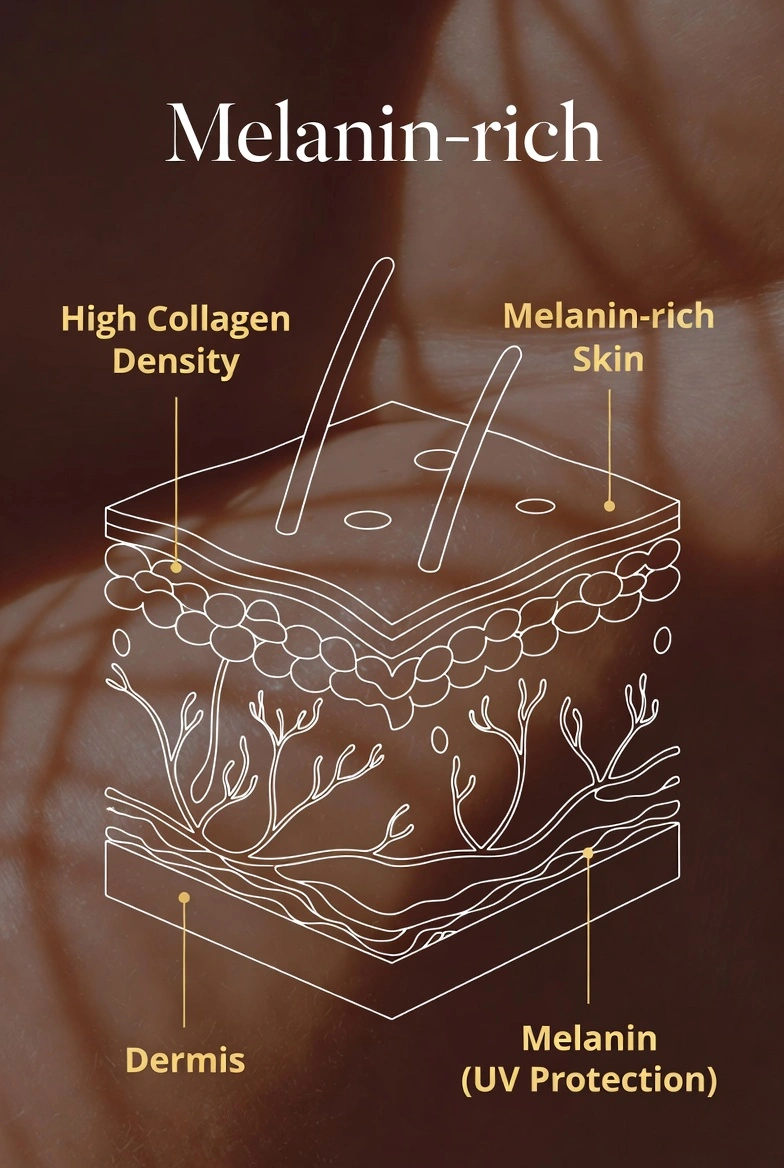
Black skin has a beautiful secret weapon: melanin. This natural pigment does more than give us our gorgeous complexion. It acts like a built-in shield against UV rays, slowing down the formation of fine lines and wrinkles compared to lighter skin tones.
Research shows that melanin-rich skin maintains its elasticity and firmness longer, which is why people often say Black don’t crack. There’s actual science behind it. The higher concentration of melanin provides natural protection equivalent to an SPF of about 13, and our skin tends to have more collagen and a thicker dermis.
But (and this is important) aging still happens. It just shows up differently.
Instead of early wrinkles, melanated skin typically faces these concerns first:
- Hyperpigmentation from inflammation or sun exposure
- Uneven skin tone and dark spots
- Dullness and loss of radiance
- Dehydration that makes skin look ashy
- Eventually, deeper creases rather than fine surface lines
The challenge? Most anti-aging products weren’t formulated with these specific concerns in mind. They target wrinkles aggressively, often using ingredients that can trigger inflammation and lead to dark marks on melanin-rich skin. That’s exactly what we’re trying to avoid.
Think of it this way: treating aging on Black skin is like following a different recipe. Sure, some ingredients overlap, but the proportions, combinations, and techniques need adjustment for the best results.
What Should You Look for in an Anti-Aging Moisturizer for Black Skin?
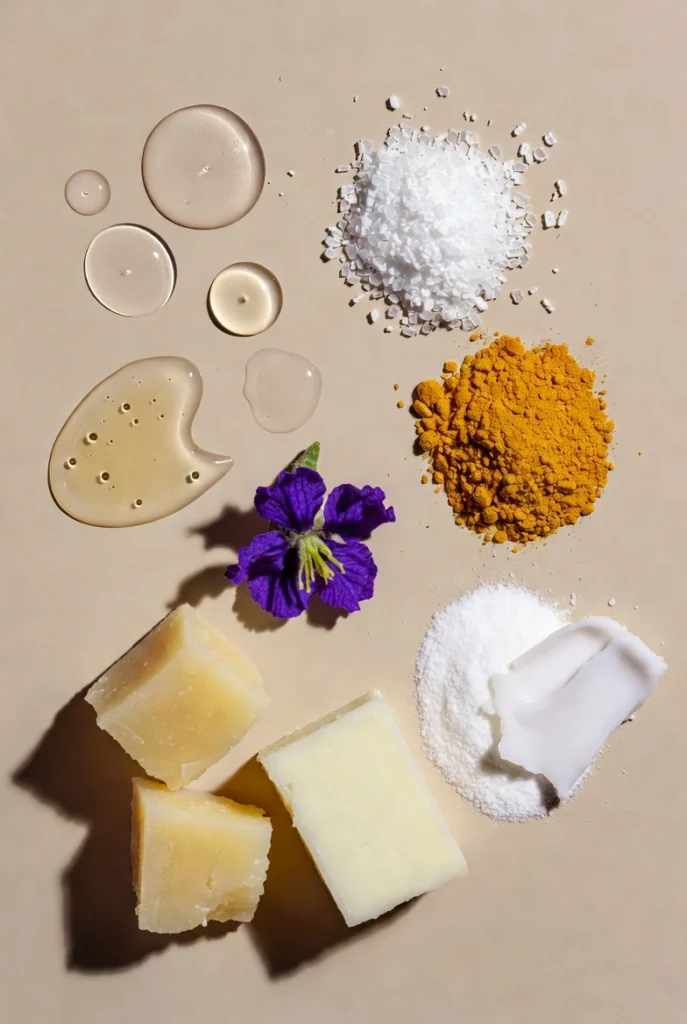
The best moisturizer for aging skin needs to multitask. You’re not just fighting wrinkles; you’re maintaining an even tone, protecting against hyperpigmentation, and keeping skin deeply hydrated. Here’s what should be on your ingredient checklist:
Hyaluronic Acid
This moisture magnet holds up to 1,000 times its weight in water. For Black skin, which can lose moisture faster due to its unique structure, hyaluronic acid is non-negotiable. It plumps the skin, smooths fine lines, and keeps that dewy glow we all want.
Look for it high on the ingredient list in products like CeraVe Hydrating Hyaluronic Acid Serum or Neutrogena Hydro Boost Gel Moisturizer.
Peptides
Think of peptides as messengers that tell your skin to produce more collagen. These chains of amino acids help firm skin and restore its youthful structure without the irritation risk that comes with stronger actives. They’re particularly effective for mature Black skin experiencing loss of elasticity.
Niacinamide (Vitamin B3)
This multitasking superstar strengthens your skin barrier, improves texture, and here’s the kicker: it helps fade hyperpigmentation. For melanated skin prone to dark spots, niacinamide is like having an insurance policy while you treat aging. It evens tone, reduces inflammation, and supports elasticity all at once.
Products like Pond’s Dark Spot Corrector B3 Moisturizer and The Ordinary’s Niacinamide serum are budget-friendly options that deliver real results.
Vitamin C
A powerful antioxidant that brightens skin, protects against free radical damage, and supports collagen synthesis. For Black skin, vitamin C is essential for maintaining an even tone while treating signs of aging. SkinCeuticals Phloretin CF is dermatologist-recommended, though there are excellent affordable alternatives.
Retinol Alternatives (Bakuchiol)
Here’s where things get tricky. Traditional retinol can be harsh on melanin-rich skin, potentially causing irritation that leads to hyperpigmentation. Bakuchiol offers similar benefits (boosting collagen, smoothing texture, reducing fine lines) without the sensitivity. It’s a game-changer for those who’ve had bad experiences with retinoids.
Ceramides and Fatty Acids
These lipids repair and strengthen your skin barrier, which is crucial for preventing moisture loss. Ingredients like shea butter, mango butter, and squalane mimic your skin’s natural oils, providing deep nourishment without clogging pores.
CeraVe Moisturizing Body Lotion and Cetaphil Rich Hydrating Cream incorporate ceramides effectively.
Antioxidants
Beyond vitamin C, look for green tea extract, resveratrol, and vitamin E. These protect against environmental stressors like pollution and UV rays that accelerate aging and trigger dark spots.
What Ingredients Should Black Skin Avoid for Anti-Aging?
Not everything marketed as anti-aging is friend material for melanated skin. Here’s what to approach with caution:
High-Strength Retinoids Without Proper Introduction
Strong prescription retinoids like tretinoin can work wonders, but jumping in too fast often backfires for Black skin. The irritation can trigger post-inflammatory hyperpigmentation, leaving you with dark marks that are harder to treat than the wrinkles you started with.
If you want to use retinol, start low and go slow. Consider beginning with a retinol cleanser or using it just twice a week, gradually building tolerance.
Harsh Physical Exfoliants
As Dr. Rosemarie Ingleton, a Black dermatologist with over 20 years of experience, puts it: “The most common mistake is scrubbing the heck out of skin. People think they can scrub off their acne, dark spots, and unevenness. In reality, physical exfoliation is too harsh and can make skin conditions worse.”
Skip the apricot scrubs and abrasive pads. Instead, use chemical exfoliants like glycolic acid, which dissolve dead skin cells gently. Start with a face wash containing glycolic acid like Neostrata Resurface Foaming Glycolic Wash before graduating to leave-on formulas.
Hydroquinone (Use With Caution)
While effective for hyperpigmentation, hydroquinone should only be used under dermatologist supervision. Long-term use can cause ochronosis (paradoxical darkening) in darker skin tones.
Safer alternatives include alpha arbutin, kojic acid, and tranexamic acid, which brighten without the same risks.
Heavily Fragranced Products
Fragrance is a common irritant, and irritation on Black skin often equals dark spots. The best anti wrinkle cream for Black skin should be fragrance-free or use minimal natural scents that won’t trigger sensitivity.
Alcohol-Heavy Formulas
Denatured alcohol can strip your skin’s natural oils, leading to that ashy appearance and compromising your moisture barrier. Check ingredient lists and avoid products where alcohol appears in the top five ingredients.
Best Anti-Aging Moisturizers for Black Skin (Top Picks)
Let’s get to what you actually came here for: products that work. These recommendations consider different budgets, skin types, and concerns specific to melanated skin.
For Daily Hydration & Prevention (Morning Use)
CeraVe AM Face Moisturizer with SPF 30
Why it works: Combines ceramides for barrier repair, niacinamide for brightening, and broad-spectrum SPF. The lightweight formula won’t feel heavy or leave a white cast.
Best for: Normal to oily skin, those starting their anti-aging journey in their 30s.
Price: Budget-friendly ($15-20)
Neutrogena Hydro Boost Gel Moisturizer
Why it works: Hyaluronic acid provides intense hydration without greasiness. The gel texture absorbs quickly, making it perfect under makeup.
Best for: Oily to combination skin, anyone who dislikes heavy creams.
Price: Budget-friendly ($15-18)
For Intensive Anti-Aging (Night Use)
Drunk Elephant Protini Polypeptide Cream
Why it works: Loaded with peptides and amino acids to boost collagen and firm skin. The whipped texture feels luxurious and works beautifully on melanin-rich skin without causing sensitivity.
Best for: Mature skin over 40, those ready to invest in premium skincare.
Price: Premium ($68-72)
The Ordinary Natural Moisturizing Factors + HA
Why it works: Simple, effective, and affordable. Contains amino acids, fatty acids, and hyaluronic acid to support your skin’s natural barrier.
Best for: Minimalists, those building a routine on a budget, sensitive skin.
Price: Budget-friendly ($7-8)
For Targeting Hyperpigmentation + Aging
Pond’s Dark Spot Corrector B3 Moisturizer
Why it works: Niacinamide tackles dark spots while providing anti-aging benefits. It’s specifically formulated for diverse skin tones and addresses the dual concerns most Black women face.
Best for: Those dealing with both aging and uneven tone, combination skin.
Price: Budget-friendly ($10-12)
SkinCeuticals Discoloration Defense
Why it works: Contains tranexamic acid, kojic acid, and niacinamide – a powerhouse trio for fading dark spots while preventing new ones. Pairs perfectly with your moisturizer as a targeted treatment.
Best for: Stubborn hyperpigmentation, those willing to invest in proven results.
Price: Premium ($98-108)
For Mature Skin (50+)
Augustinus Bader The Face Cream
Why it works: Uses patented TFC8 technology to support cell renewal. While expensive, many users with mature melanated skin report visible improvement in firmness and radiance.
Best for: Mature skin with multiple concerns, those seeking luxury results.
Price: Ultra-premium ($175-280)
Cetaphil Rich Hydrating Cream for Face
Why it works: Deeply nourishing without being heavy, with hyaluronic acid and vitamin E. Great for very dry, mature skin that needs serious moisture replenishment.
Best for: Dry to very dry mature skin, eczema-prone skin.
Price: Budget-friendly ($15-18)
Serums to Layer (Boost Your Moisturizer)
CeraVe Hydrating Hyaluronic Acid Serum
Layer under your moisturizer for extra hydration. The three types of hyaluronic acid provide both surface and deep moisture.
Skinfix Barrier+ Triple Lipid-Peptide Lotion
Contains a blend of ceramides, cholesterol, and fatty acids that mimic your skin’s natural barrier. Perfect for sensitive or compromised skin.
How to Build an Anti-Aging Routine for Melanin-Rich Skin
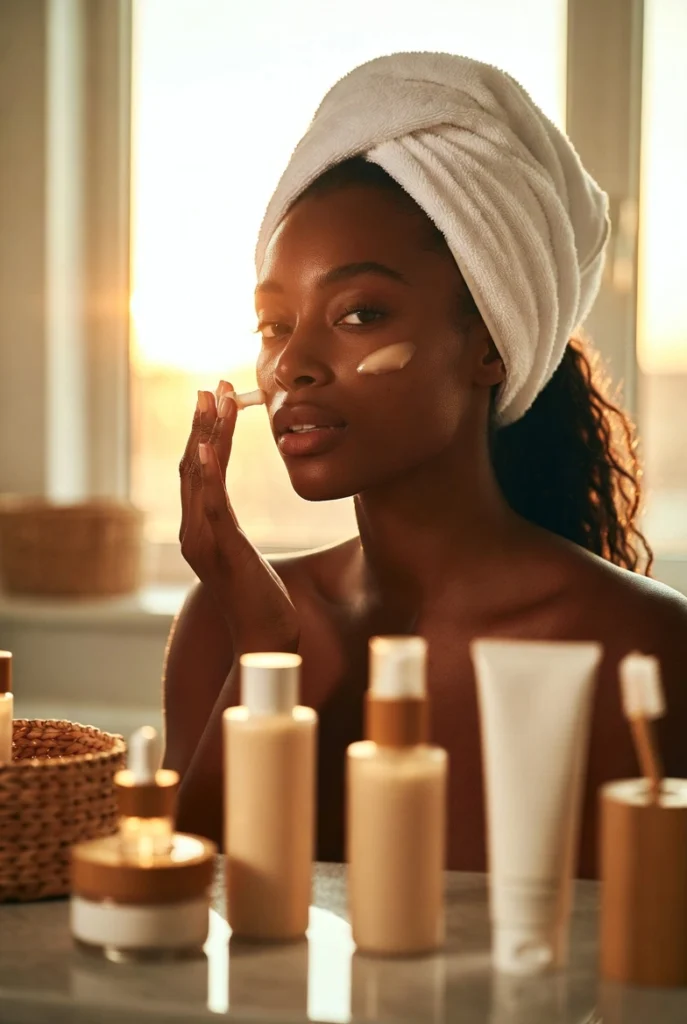
Having great products means nothing if you’re using them wrong. Here’s how to structure your anti-aging skincare routine for Black skin for maximum results:
Morning Routine
Step 1: Gentle Cleanse
Wash with lukewarm water only (if you have dry skin) or use a gentle, hydrating cleanser like CeraVe Hydrating Cleanser. Never scrub aggressively.
Step 2: Hydrating Toner (Optional)
Apply a toner with hyaluronic acid or aloe vera to prep skin for better absorption.
Step 3: Vitamin C Serum
Apply a vitamin C serum to brighten and protect against environmental damage. Start 2-3 times per week if you’re new to actives.
Step 4: Moisturizer
Apply your hydrating face moisturizer while skin is still slightly damp to lock in moisture.
Step 5: Sunscreen (Non-Negotiable)
Use a broad-spectrum SPF 30 minimum. Tinted sunscreens like EltaMD UV Clear Broad Spectrum SPF 46 work beautifully on melanin-rich skin without white cast and provide extra protection against visible light that can worsen hyperpigmentation.
Night Routine
Step 1: Double Cleanse
Start with an oil cleanser or micellar water to remove sunscreen and makeup, then follow with your gentle gel or cream cleanser.
Step 2: Chemical Exfoliant (2-3x Weekly)
Use a glycolic acid toner or serum. Begin twice weekly and work up to nightly if tolerated. Skip if you have active eczema or rosacea.
Step 3: Treatment Serum
Apply serums targeting your specific concerns:
- For hyperpigmentation: kojic acid, alpha arbutin, tranexamic acid, or niacinamide
- For wrinkles: peptides or bakuchiol
- For both: niacinamide (it multitasks beautifully)
Step 4: Retinol Alternative (Optional)
If using bakuchiol, apply it now. Start 2-3 times per week.
Step 5: Night Moisturizer
Use a richer, more nourishing cream than your morning moisturizer. Look for ingredients like shea butter, squalane, and ceramides.
Pro Tip: Wait about 60 seconds between each step to allow proper absorption. Your skin isn’t a sponge – layering too quickly reduces effectiveness.
Morning vs. Night: Which Moisturizers Work Best?
This is a question that trips people up constantly. Do you really need different moisturizers for day and night? For melanin-rich skin focused on anti-aging, the answer is yes, and here’s why:
Morning: Protection Mode
Your daytime moisturizer for mature Black skin should focus on protection and lightweight hydration. You’re heading out into the world where UV rays, pollution, and blue light from screens are all working against your skin.
Look for formulas that contain:
- Antioxidants (vitamins C and E)
- Lightweight hydration (hyaluronic acid, glycerin)
- SPF if it’s a combination product
Gel-based or water-based moisturizers work best in the morning because they:
- Absorb quickly
- Won’t pill under sunscreen or makeup
- Won’t leave you looking shiny by noon
Think of your morning routine as putting on armor before battle.
Night: Repair Mode
At night, your skin shifts into regeneration mode. Cell turnover happens faster while you sleep, making it the perfect time for richer, more active ingredients.
Your nighttime moisturizer should be more nourishing with ingredients like:
- Shea butter
- Squalane
- Mango butter
- Ceramides
- Peptides
It can be thicker and richer since you won’t be layering makeup over it.
This is also when you’d incorporate treatments like retinol alternatives or exfoliating acids, followed by your moisturizer to seal everything in.
Night is when the real anti-aging magic happens. Your daytime routine maintains; your nighttime routine transforms.
How to Treat Wrinkles Without Causing Hyperpigmentation
This is the million-dollar question for Black skin. How do you fight aging without triggering the dark spots that are often more concerning than the wrinkles themselves?
Start Low, Go Slow With Actives
Whether you’re using retinol, glycolic acid, or any active ingredient, introduce them gradually. Begin with the lowest concentration, use it just twice a week, and give your skin 4-6 weeks to adjust before increasing frequency.
Patience here prevents the inflammation that leads to post-inflammatory hyperpigmentation.
Never Skip Sunscreen
Even though melanin provides some natural protection, it’s not enough. UV exposure is the number one cause of both premature aging and hyperpigmentation in Black skin.
Use broad-spectrum SPF 30 minimum every single day, regardless of weather or season. Tinted sunscreens are ideal because they also block visible light from phones and computers, which can darken existing spots.
Treat Inflammation Immediately
Any irritation, breakout, or sensitivity should be addressed quickly. The longer inflammation persists, the higher the chance it’ll leave a dark mark.
Keep a soothing serum with ingredients like niacinamide, centella asiatica, or aloe vera on hand. Apply it at the first sign of irritation and skip your active ingredients until skin calms down.
Layer Carefully
Don’t try to address every concern at once. Layering too many active ingredients (like vitamin C in the morning plus glycolic acid plus retinol at night) is a recipe for irritation.
Focus on one or two main concerns at a time. Get your skin stable and glowing, then gradually introduce additional treatments if needed.
Consider Professional Treatments Wisely
Chemical peels, laser therapy, and microneedling can be effective for melanated skin, but only when done by experienced professionals. Not all treatments are suitable for darker skin tones.
IPL and CO2 lasers can cause severe scarring and white spots on Black skin. Fractional lasers and Nd:YAG lasers are generally safer options.
Always ask to see before-and-after photos of patients with your exact skin tone before committing to any procedure.
Expert Tips for Preventing Premature Aging on Black Skin
Prevention is so much easier than correction. Here are dermatologist-backed strategies to keep your skin youthful longer:
Hydrate Inside and Out
Drink at least eight glasses of water daily. Your skin’s moisture starts from within. On the outside, use a humidifier during dry months to prevent moisture loss while you sleep.
One Reddit user shared: “My skin completely changed when I started hitting my water goal of 3-4 liters a day. The glow is real.”
Don’t Cleanse the Same Way Morning and Night
In the morning, your skin isn’t dirty – it’s just been regenerating all night. A splash of warm water or very gentle cleanser is enough for dry skin. Over-cleansing strips natural oils and compromises your barrier.
At night, you need to remove sunscreen, makeup, and the day’s buildup. That’s when double cleansing (oil cleanser first, then gel or cream cleanser) makes sense.
Feed Your Skin From Within
Your diet directly impacts how your skin ages. Load up on antioxidant-rich foods like berries, leafy greens, and nuts. Omega-3 fatty acids from salmon, walnuts, and flaxseeds maintain elasticity and hydration.
Think of skincare products as topical nutrition, but real nutrition comes from your plate.
Manage Stress Aggressively
Chronic stress elevates cortisol, which breaks down collagen and triggers inflammatory skin conditions. For Black women juggling multiple responsibilities, this isn’t just wellness advice – it’s anti-aging strategy.
Whether it’s meditation, exercise, therapy, or just saying no more often, protecting your peace protects your skin.
Get Quality Sleep
They call it beauty sleep for a reason. Cell regeneration and collagen production peak during deep sleep. Aim for 7-9 hours consistently.
Pro tip: Sleep on a silk or satin pillowcase to prevent friction that can cause fine lines and irritation.
Be Consistent, Not Perfect
The best skincare routine is the one you’ll actually do. A simple routine performed consistently will always beat an elaborate 12-step routine you only manage twice a week.
Start with the basics: gentle cleanse, moisturize, SPF. Once that’s habit, gradually add treatments one at a time.
Budget-Friendly vs. Premium Options
Let’s address the elephant in the room: Do you need to spend a fortune for effective anti-aging skincare?
The honest answer? It depends, but probably not as much as you think.
Budget-Friendly Winners (Under $25)
These products punch way above their weight class:
- CeraVe AM/PM Moisturizers: Dermatologist-recommended ceramide formulas that work
- The Ordinary: Medical-grade actives at drugstore prices
- Neutrogena Hydro Boost: Hyaluronic acid that actually hydrates
- Pond’s Dark Spot Corrector: Niacinamide that targets melanin-rich skin concerns
- Vaseline Advanced Repair: Sometimes the simplest solution is the best for barrier repair
What you’re getting: Effective active ingredients in straightforward formulations. These brands focus on what works rather than fancy packaging or marketing.
Premium Investment Pieces (Over $60)
Sometimes the higher price reflects genuinely superior formulations:
- Drunk Elephant Protini: Advanced peptide complex with elegant texture
- SkinCeuticals Vitamin C serums: Patented, clinically proven formulations
- Augustinus Bader: Innovative technology backed by research
- Fenty Skin: Designed specifically for diverse skin tones with quality ingredients
What you’re getting: Proprietary technology, higher concentrations of actives, extensive clinical testing, and often more elegant textures and experiences.
The Smart Strategy
Build your routine foundation with budget-friendly staples (cleanser, basic moisturizer, sunscreen), then invest in one or two premium treatment products (vitamin C serum, peptide cream, targeted dark spot treatment).
Your skin doesn’t know or care about price tags. It responds to effective ingredients properly formulated. A $15 CeraVe moisturizer can work just as well as (or better than) a $200 luxury cream if it contains the right ingredients for your skin.
Frequently Asked Questions
Do Black people really age slower?
Yes and no. Melanin-rich skin does maintain its firmness and elasticity longer, and wrinkles typically appear later than in lighter skin tones. However, Black skin still ages – it just shows differently, with hyperpigmentation, uneven tone, and dullness appearing before deep wrinkles. The idea that “Black don’t crack” has some scientific basis (higher melanin, more collagen, thicker dermis), but it doesn’t mean you can skip skincare. According to the American Academy of Dermatology, melanin provides some protection but proper skincare remains essential for healthy aging.
Can retinol darken Black skin?
Retinol itself doesn’t darken skin, but the irritation it causes can trigger post-inflammatory hyperpigmentation in melanin-rich skin. This is why many dermatologists recommend starting with retinol alternatives like bakuchiol for Black skin, or introducing retinol very gradually at low concentrations. If you experience any irritation, stop use immediately and focus on calming ingredients.
What’s the best anti-aging moisturizer for mature Black skin over 40?
For mature skin, look for richer formulations with peptides, ceramides, and fatty acids. Top picks include Drunk Elephant Protini Polypeptide Cream, Cetaphil Rich Hydrating Cream, and Augustinus Bader The Face Cream. The key is deep hydration combined with collagen-supporting ingredients. Don’t forget to pair your moisturizer with targeted serums for concerns like dark spots.
Should I use the same moisturizer for my face and body?
No. Facial skin is thinner and more sensitive, requiring specialized formulations. Body moisturizers often contain fragrances and thicker emollients that can clog facial pores. However, your body also deserves anti-aging attention. Products like Eucerin Advanced Repair, Aveeno Skin Repair Lotion, and CeraVe Moisturizing Body Lotion work well for aging body skin. For a comprehensive guide, check out the best body moisturizer for aging skin.
How long before I see results from anti-aging products?
Patience is crucial. Expect to see:
- Initial hydration improvements within days
- Texture refinement after 2-4 weeks
- Dark spot fading after 6-8 weeks
- Fine line reduction after 3-6 months
Collagen rebuilding takes time – give products a full three months before deciding if they work. Take monthly photos to track subtle changes you might not notice daily. Research from the National Institutes of Health confirms that visible improvements in skin structure require consistent use over several months.
Can I use anti-aging products if I have eczema-prone skin?
Yes, but choose carefully. Avoid products with fragrance, harsh acids, and high-strength retinoids during flare-ups. Look for moisturizers rich in ceramides and fatty acids like CeraVe, Cetaphil, and Aveeno. Polyhydroxy acids (PHAs) are gentler alternatives to glycolic acid for sensitive skin. Always patch test new products, and if you have active eczema, focus on barrier repair before adding anti-aging actives.
Do I really need sunscreen if I have dark skin?
Absolutely yes. This myth needs to die. While melanin provides some natural UV protection (equivalent to about SPF 13), it’s nowhere near enough to prevent sun damage, hyperpigmentation, and premature aging. UV exposure is the number one cause of dark spots in Black skin. Use broad-spectrum SPF 30 minimum daily, and choose tinted formulas for extra visible light protection. The Skin Cancer Foundation emphasizes that all skin tones need sun protection to prevent damage and maintain healthy aging.
The Bottom Line
Finding the best anti aging moisturizer for black skin isn’t about following trends or buying whatever worked for your favorite influencer. It’s about understanding how melanin-rich skin ages differently and choosing products formulated with those specific needs in mind.
Remember these key takeaways:
- Black skin ages beautifully but faces unique challenges like hyperpigmentation and dehydration
- Look for ingredients like hyaluronic acid, peptides, niacinamide, and vitamin C
- Avoid harsh physical exfoliants and introduce strong actives slowly
- Sunscreen is non-negotiable, regardless of how much melanin you have
- Prevention through hydration, nutrition, and stress management is easier than correction
- Budget-friendly products can work just as well as premium options if they contain effective ingredients
Your skin is unique, and what works for someone else might not work for you. Start with the basics, introduce new products one at a time, and give your skin time to respond. Be patient with yourself and your skin – the goal isn’t perfection, it’s healthy, radiant skin that makes you feel confident at every age.
If you’re looking for clean options, check out our guide to the best clean moisturizer for aging skin. For those seeking vegan formulations, explore the best vegan moisturizer for aging skin. And if you prioritize ethical beauty, ou rbest cruelty-free face moisturizer for aging skin roundup has you covered.
Aging is a privilege, and with the right care, your melanin-rich skin can glow through every decade. You’ve got this.
What’s been your experience with anti-aging products? Drop a comment below and let’s keep the conversation going. And if you found this guide helpful, share it with someone who needs it.