I remember the moment I realized my favorite body lotion wasn’t cutting it anymore. After my shower, my skin felt tight within minutes, and by midday, that crepey texture on my arms seemed more pronounced than ever. Sound familiar? If you’re navigating the world of aging skin, you’re not alone—and finding the best body moisturizer for aging skin isn’t just about hydration anymore. It’s about understanding what mature skin truly needs.
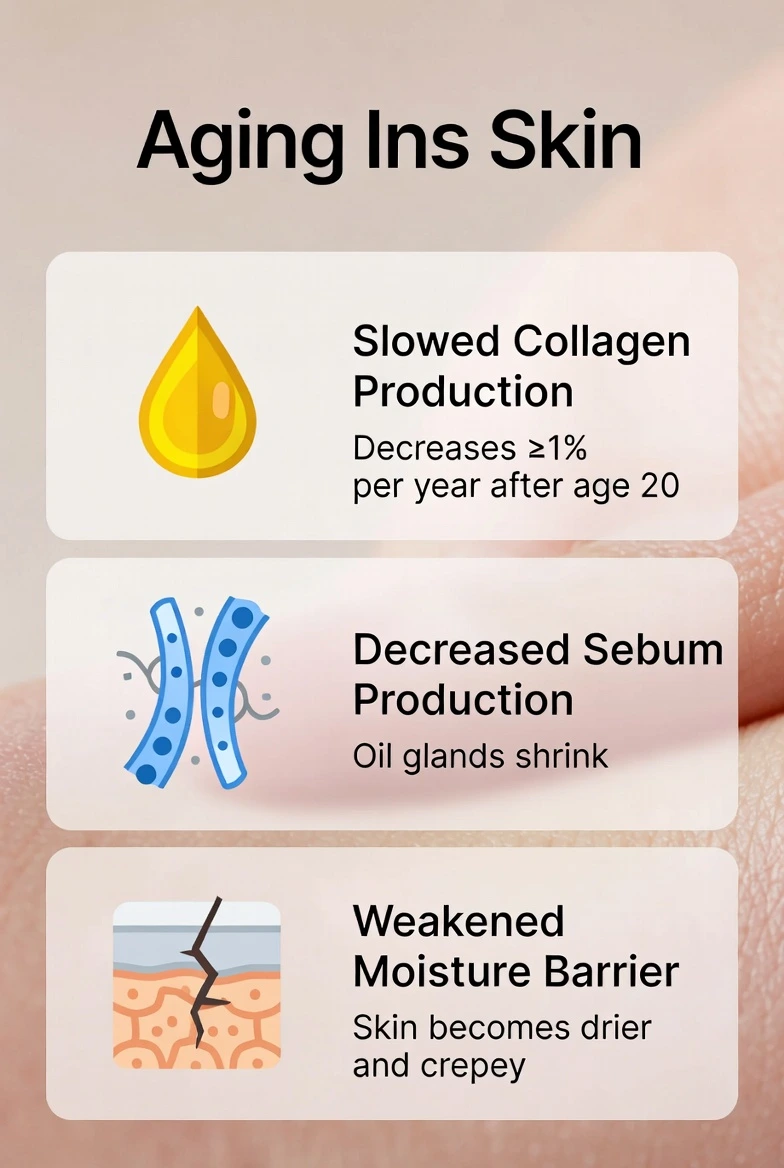
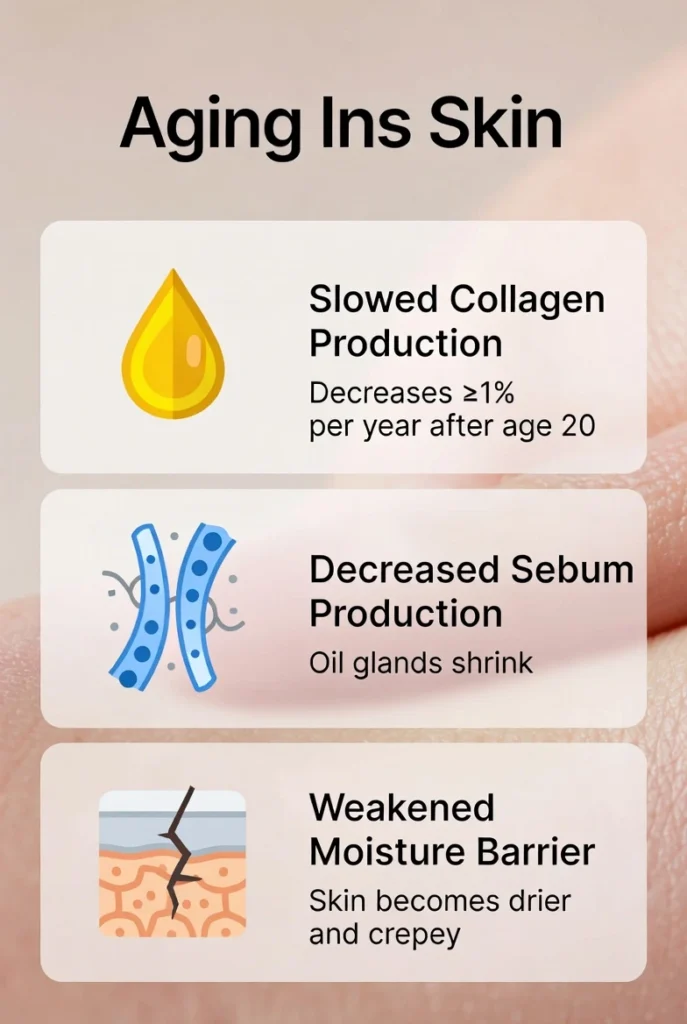
As we age, our skin undergoes significant changes. Collagen production slows, natural oils decrease, and that protective moisture barrier weakens. The result? Dryness, thinning, loss of elasticity, and that frustrating crepey appearance that seems to appear overnight. But here’s the empowering truth: the right moisturizer, packed with targeted ingredients, can make a remarkable difference.
Why Aging Skin Needs a Different Moisturizer
Let’s be honest—the lotion that worked beautifully in your 30s probably isn’t doing your skin any favors now. But why?
After age 50, your skin produces significantly less sebum (natural oil), and cell turnover slows dramatically. According to dermatological research, collagen production decreases by about 1% each year after age 20. By the time you reach your 60s, you’ve lost a substantial amount of the structural protein that keeps skin firm and plump.
Your moisture barrier—think of it like a protective sweater for your skin—also becomes compromised. When this barrier weakens, water escapes more easily, leaving skin dry, dull, and more vulnerable to irritation. This is why even the most diligent moisturizing routine from your younger years might now feel insufficient.
What does mature skin actually need? Heavier, richer formulations with specific active ingredients that go beyond basic hydration. You need moisturizers that repair the barrier, support collagen, and address elasticity loss.
Key Ingredients That Actually Improve Aging Skin
Not all moisturizer ingredients are created equal, especially when it comes to aging skin. Here’s what actually works:
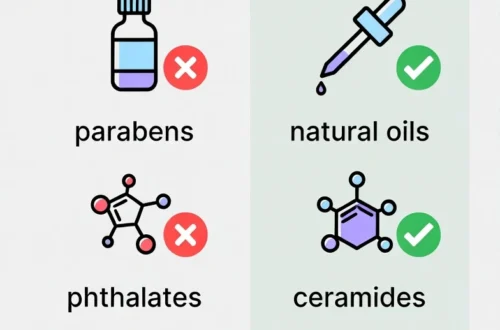
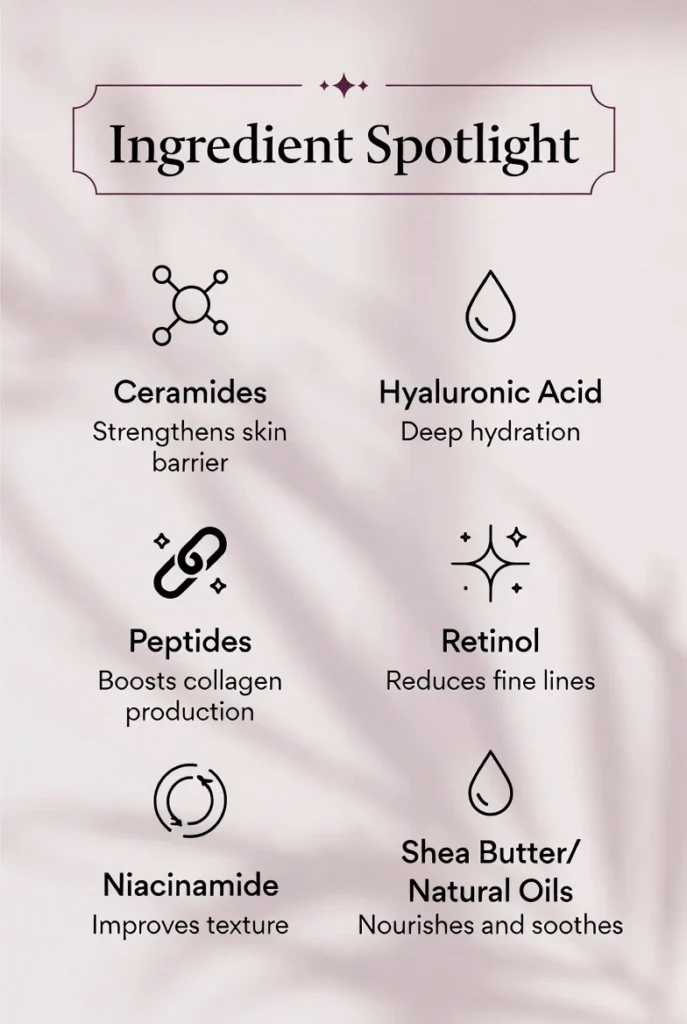
Ceramides are lipids (fats) that naturally exist in your skin’s outer layer. They’re essential for maintaining that protective moisture barrier. As you age, ceramide levels decline, so replenishing them through topical products helps seal in hydration and strengthen skin resilience.
Hyaluronic Acid (HA) is a moisture magnet that can hold up to 1,000 times its weight in water. For mature skin that’s losing plumpness, HA draws moisture from the environment into your skin, creating a fuller, more hydrated appearance. I personally find that products with multiple molecular weights of HA work best—they penetrate different skin layers.
Peptides are short chains of amino acids that signal your skin to produce more collagen. While they won’t turn back the clock completely, peptides can improve firmness and texture over time with consistent use.
Retinol (a vitamin A derivative) accelerates cell turnover and stimulates collagen production. It’s more commonly found in face products, but body formulations with gentler retinoids can improve skin texture and reduce the appearance of crepey skin.
Niacinamide (vitamin B3) strengthens the moisture barrier, improves elasticity, and can help with uneven skin tone—a common concern in mature skin.
Shea Butter and Natural Oils (like jojoba, argan, or squalane) provide rich, emollient hydration that’s especially beneficial for very dry, aging skin. They create an occlusive layer that prevents water loss.
The American Academy of Dermatology emphasizes that combining hydrating ingredients with barrier-repair components yields the best results for mature skin.
What Is the Best Body Moisturizer for Aging Skin?
The best body moisturizer for aging skin is one that combines intensive hydration with barrier-repair ingredients like ceramides, hyaluronic acid, and peptides. Look for rich, creamy formulations designed specifically for mature, dry skin that absorb well without leaving a greasy residue and address concerns like crepey texture and loss of firmness.
That said, “best” is somewhat personal. Your ideal moisturizer depends on your specific concerns—whether you’re dealing with extreme dryness, crepey skin on arms and legs, sensitivity, or simply want preventative anti-aging care.
Best Body Moisturizers for Aging Skin – Full List & Comparisons
Here are top-performing options backed by dermatologist recommendations and user reviews:
CeraVe SA Cream for Rough & Bumpy Skin
- Key ingredients: Ceramides, salicylic acid, hyaluronic acid
- Best for: Rough, bumpy texture and very dry skin
- Texture: Rich cream that absorbs surprisingly well
- Pros: Affordable, dermatologist-developed, fragrance-free
- Cons: May be too heavy for humid climates
Neutrogena Hydro Boost Body Gel Cream
- Key ingredients: Hyaluronic acid
- Best for: Dehydrated skin needing lightweight hydration
- Texture: Gel-cream hybrid
- Pros: Non-greasy, quick absorption
- Cons: May not be rich enough for very dry, mature skin
Ameliorate Transforming Body Lotion
- Key ingredients: Lactic acid, peptides, shea butter
- Best for: Crepey skin and improving texture
- Texture: Luxurious, creamy
- Pros: Visible improvement in skin smoothness
- Cons: Higher price point
Gold Bond Ultimate Strength & Resilience
- Key ingredients: Collagen, CoQ10, peptides
- Best for: Mature skin over 60 seeking firmness
- Texture: Rich but non-sticky
- Pros: Specifically formulated for aging skin
- Cons: Fragrance may bother sensitive noses
Eucerin Advanced Repair Lotion
- Key ingredients: Ceramides, natural moisturizing factors
- Best for: Extremely dry, flaky skin
- Texture: Smooth, creamy lotion
- Pros: Clinical-grade hydration, fragrance-free
- Cons: Takes a moment to fully absorb
AmLactin Daily Moisturizing Body Lotion
- Key ingredients: Lactic acid (12%)
- Best for: Rough texture, gentle exfoliation
- Texture: Lightweight lotion
- Pros: Improves skin smoothness dramatically
- Cons: May tingle on sensitive skin
Best Moisturizer for Mature Skin Over 60: What to Look For
If you’re over 60, your skin has unique needs. Here’s what matters most:
Richer textures are non-negotiable. Your skin produces minimal natural oil now, so lightweight lotions often evaporate too quickly. Look for creams or balms with occlusive ingredients.
Multi-tasking formulations save time and money. Products that combine hydration with firming actives (peptides, retinoids) or gentle exfoliation (AHAs like lactic acid) deliver better results.
Fragrance-free or low-fragrance options are gentler on increasingly sensitive mature skin. Your skin’s protective barrier is thinner now, making irritation more likely.
Easy-to-open packaging matters more than you might think. Pump bottles or flip-top caps are easier to manage than screw-tops, especially if you have arthritis.
For the best moisturizer for old skin, prioritize barrier repair over anti-aging claims. When your moisture barrier is healthy, your skin naturally looks more youthful.
Face vs. Body Moisturizers for Aging Skin: Differences & When to Use Which
Can you use your face cream on your body? Technically, yes—but it’s rarely practical or cost-effective.
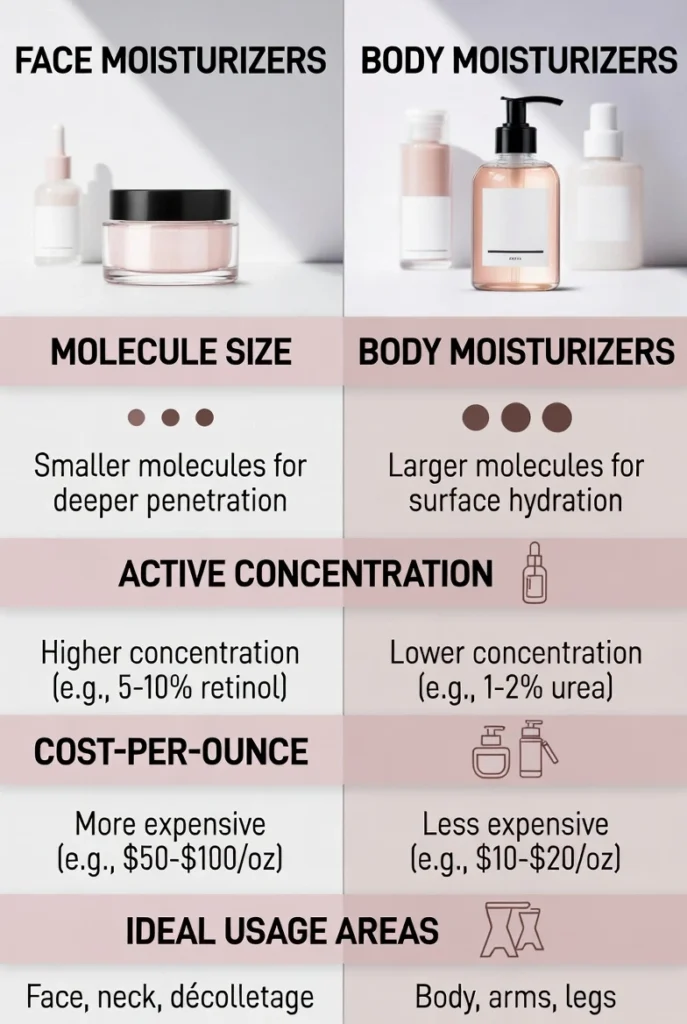
Face moisturizers, including the best face cream for aging skin, are formulated with higher concentrations of active ingredients and are designed for the thinner, more delicate facial skin. They’re also significantly more expensive per ounce.
Body moisturizers use larger molecules and heavier emollients suitable for thicker body skin. They’re formulated for broader coverage and typically come in larger sizes.
That said, you can absolutely use body moisturizers with quality ingredients on your décolletage, hands, and neck—areas that often show age dramatically. Just ensure any retinol-containing body product is appropriate for these more sensitive areas.
If you’re specifically seeking a best moisturizer for aging skin for your face, you’ll want formulations designed for facial use with appropriate concentrations.
How to Choose the Right Moisturizer Based on Your Skin Concerns
For Crepey Skin: Look for best anti-aging body lotion for crepey skin with firming ingredients like peptides, retinoids, or alpha-hydroxy acids. These help improve texture over time. Products with caffeine can also temporarily tighten appearance.
For Extremely Dry Skin: Choose thick creams or body butters with ceramides, shea butter, and hyaluronic acid. The best body moisturizer for dry, aging skin should feel almost occlusive—creating a protective seal.
For Sensitive Mature Skin: Fragrance-free, hypoallergenic formulas with minimal ingredients are safest. Look for soothing components like colloidal oatmeal or allantoin alongside hydrators.
For Thin, Fragile Skin: Gentle, nourishing formulas without harsh exfoliants are essential. Prioritize barrier repair with ceramides and avoid anything with high concentrations of acids initially.
If you’re exploring specific dietary preferences, you might want a best vegan moisturizer for aging skin or best cruelty-free face moisturizer for aging skin. For those seeking natural options, a best clean moisturizer for aging skin without synthetic ingredients might be preferable.
Skin tone also affects your moisturizer needs. For deeper skin tones prone to ashiness, the best anti aging moisturizer for black skin should absorb without leaving a white cast and address hyperpigmentation concerns.
Dermatologist Tips for Keeping Aging Skin Soft & Firm
Beyond choosing the right product, how you care for your skin matters enormously. Here’s what dermatologists consistently recommend:
Moisturize immediately after bathing. Your skin is like a sponge when damp—it absorbs products far more effectively. Pat dry (don’t rub) and apply moisturizer within three minutes.
Layer products strategically. On very dry areas, apply a hydrating serum or essence first, then seal it in with your body cream. This layering technique, borrowed from Korean skincare, maximizes hydration.
Don’t forget often-missed areas. Your elbows, knees, hands, and décolletage age quickly but are frequently neglected. Give these areas extra attention.
Use sunscreen daily. This isn’t technically about moisturizer, but sun damage is the number one cause of premature aging. If your body moisturizer doesn’t contain SPF, apply sunscreen separately to exposed skin. According to the Skin Cancer Foundation, daily sunscreen use can significantly slow the signs of aging.
Exfoliate gently, not often. Over-exfoliation compromises your already-delicate moisture barrier. Once or twice weekly with a gentle scrub or chemical exfoliant is plenty.
Stay hydrated from within. Drinking adequate water supports your skin’s moisture levels. While topical products are essential, internal hydration matters too.
Consider a humidifier. Especially in winter, indoor heating saps moisture from the air and your skin. A bedroom humidifier can make a noticeable difference.
How to Apply Body Moisturizer for Maximum Results
Application technique genuinely affects results. Here’s how to get the most from your moisturizer:
Start with slightly damp skin—as mentioned, this helps products penetrate better. Use more product than you think you need; most people under-apply. A good rule of thumb is about a shot glass worth for your entire body.
Apply in upward, circular motions to encourage circulation. Pay extra attention to typically drier areas: shins, forearms, elbows, and knees. These areas have fewer oil glands and need more moisture.
For best results with anti-aging actives, be consistent. Most ingredients like peptides and retinoids require weeks or months of regular use to show visible improvement. Morning and evening application is ideal, but if that’s unrealistic, commit to at least once daily.
Don’t rush the absorption process. Give your moisturizer 3-5 minutes to sink in before getting dressed. I know it’s tempting to hurry, but this prevents product from rubbing off on your clothes.
FAQs About Body Moisturizers for Aging Skin
What ingredients should I look for in moisturizers for aging skin? Prioritize ceramides for barrier repair, hyaluronic acid for hydration, peptides for firmness, and gentle retinoids or AHAs for improved texture. Niacinamide, shea butter, and natural oils provide additional benefits for mature skin.
Should I use different moisturizers for different body parts? Generally, one good body moisturizer works for most areas. However, extremely dry spots (elbows, knees, heels) might benefit from thicker creams or targeted treatments, while sensitive areas might need gentler formulations.
How often should I apply body moisturizer to aging skin? At minimum, once daily after bathing. For very dry aging skin, twice daily (morning and evening) delivers better results. Listen to your skin—if it feels tight or dry, moisturize.
Are expensive moisturizers better for aging skin? Not necessarily. Some drugstore options contain excellent ingredients at concentrations comparable to luxury brands. Price often reflects packaging, marketing, and brand prestige rather than efficacy. Focus on ingredient lists rather than price tags.
Can body moisturizers actually reduce wrinkles and crepey skin? While body moisturizers can’t eliminate wrinkles, quality formulations with active ingredients can improve skin texture, firmness, and appearance over time. Consistent use of products with peptides, retinoids, or AHAs can make noticeable differences, especially in crepey skin. Research from the National Institutes of Health supports the effectiveness of these ingredients in improving skin appearance.
Is it too late to start moisturizing properly in my 60s or 70s? Absolutely not! Your skin can benefit from proper moisturization at any age. While you can’t reverse all aging signs, you can significantly improve hydration, comfort, and appearance. Many people notice dramatic improvements within weeks of starting a targeted routine.
Your Skin Deserves This Investment
Finding the best body moisturizer for aging skin is about more than just fighting time—it’s about feeling comfortable in your skin at every stage of life. Yes, mature skin requires more attention than it once did, but that’s not a burden; it’s an opportunity to really care for yourself.
Whether you choose a dermatologist-recommended powerhouse or a budget-friendly option with proven ingredients, the most important factor is consistency. Your skin will respond to regular, thoughtful care with improved texture, better hydration, and that healthy glow that has nothing to do with your age and everything to do with how well you’re nourishing your largest organ.
Have you found a body moisturizer that works wonders for your aging skin? What differences have you noticed in your skin’s texture and appearance? Share your experiences in the comments below—we’d love to hear what’s working for you.
Remember: aging is natural, but uncomfortable, dry skin doesn’t have to be. With the right moisturizer and consistent care, you can keep your skin soft, supple, and beautifully healthy for years to come.