Does everything seem to burn your face? You’re not alone. If you’ve ever slathered on a moisturizer only to feel stinging, see redness, or watch your skin throw a full tantrum, you know the struggle of finding the best drugstore moisturizer for sensitive skin. The good news? You don’t need to spend a fortune to soothe your reactive complexion. Some of the most effective, dermatologist-recommended options are sitting right there on your local drugstore shelf—and I’m about to reveal exactly which ones deserve a spot in your bathroom cabinet.
What Makes a Moisturizer Good for Sensitive Skin?
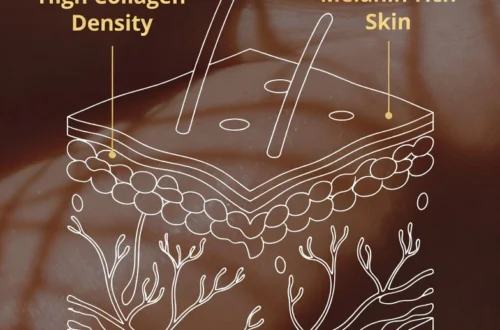
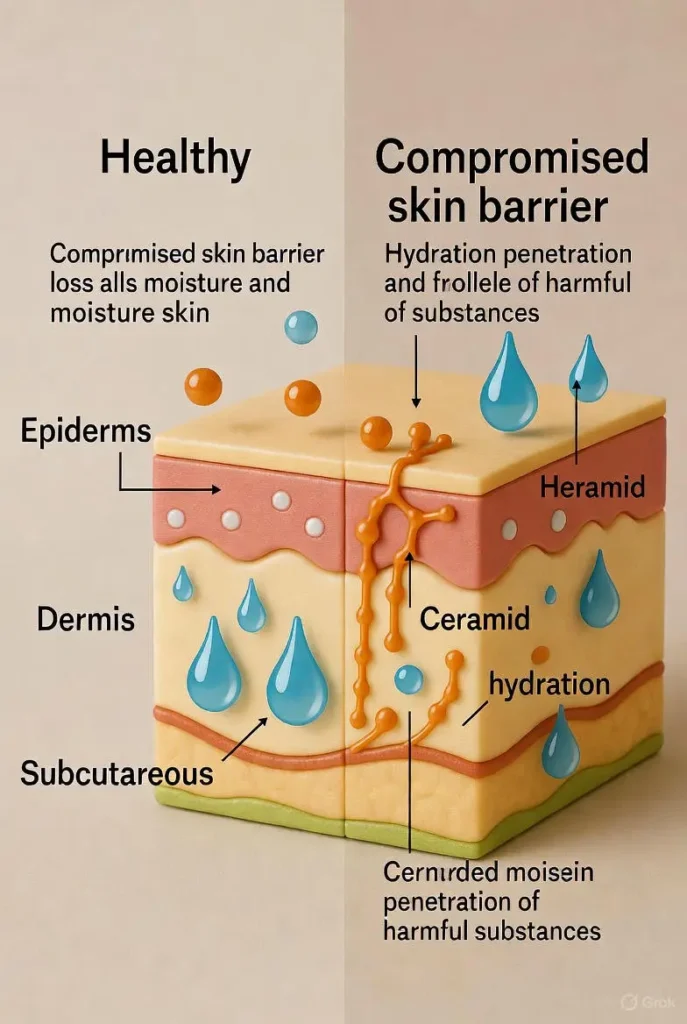
Think of your skin barrier like a brick wall. When it’s strong and intact, it keeps the good stuff in (moisture) and the bad stuff out (irritants, allergens, bacteria). But when that wall starts crumbling—maybe from harsh products, environmental stress, or just genetics—your skin becomes reactive, red, and uncomfortable.
The best sensitive skin moisturizers work by rebuilding that protective wall. They contain barrier-repair ingredients like ceramides, which act as the mortar between your skin cells. They also avoid common irritants like synthetic fragrances, essential oils, and harsh preservatives that can trigger inflammation.
According to the American Academy of Dermatology, a good moisturizer for sensitive skin should be:
- Fragrance-free (not just “unscented,” which can still contain masking fragrances)
- Hypoallergenic and dermatologist-tested
- Packed with humectants like hyaluronic acid and glycerin to draw moisture in
- Rich in emollients like ceramides and fatty acids to smooth and soften
- Formulated with occlusives like petrolatum or dimethicone to seal everything in
One study published in the Journal of Dermatological Science found that moisturizers containing ceramides significantly improved skin barrier function within just two weeks. That’s the power of the right formula.
Barrier-Repair Ingredients That Actually Work
Not all ingredients are created equal. Here’s what dermatologists want you to look for:
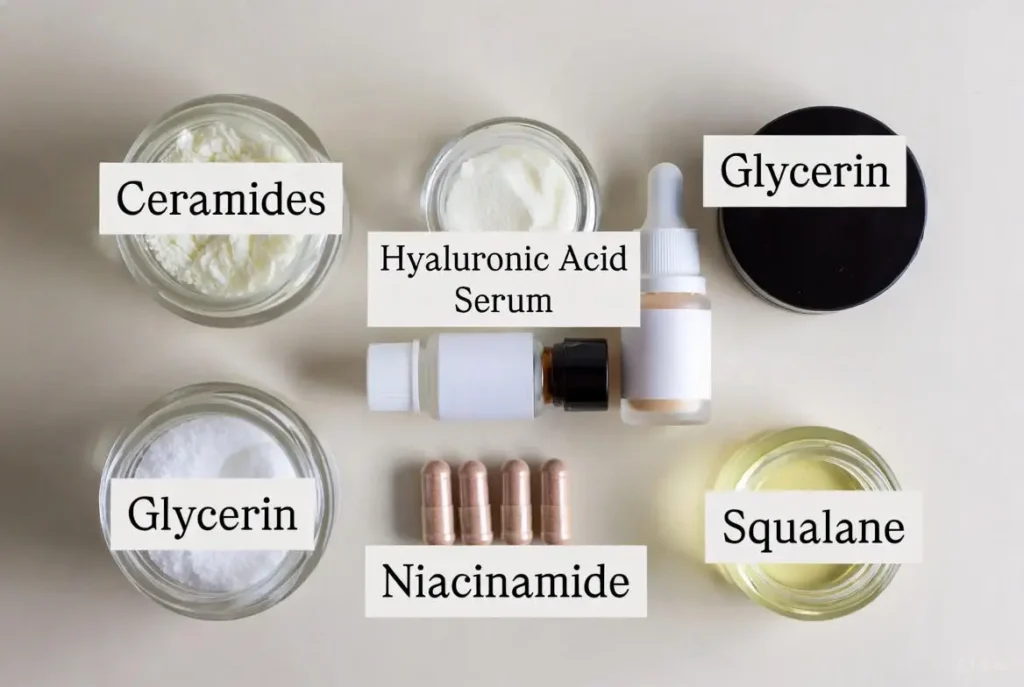
Ceramides: These naturally occurring lipids make up about 50% of your skin’s outer layer. When they’re depleted, your skin becomes dry and irritated.
Hyaluronic Acid: This moisture magnet can hold up to 1,000 times its weight in water, keeping your skin plump and hydrated.
Glycerin: Often overlooked, glycerin is a humectant that deserves hyaluronic acid’s publicist. It pulls water into your skin and creates a protective layer.
Niacinamide: Also known as vitamin B3, this multitasker calms redness, strengthens your barrier, and even helps with post-acne marks.
Cholesterol and Fatty Acids: These work alongside ceramides to create a complete lipid barrier that mimics your skin’s natural structure.
What to Avoid Like the Plague
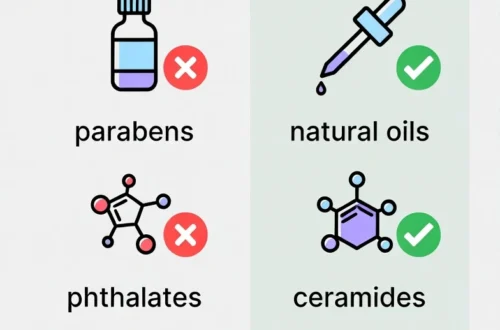
Just as important as what’s in your moisturizer is what’s not in it. According to the American Academy of Dermatology, these are the biggest culprits for sensitive skin reactions:
- Synthetic fragrances (even “natural” scents from essential oils can irritate)
- Alcohol denat or SD alcohol (drying and irritating)
- Parabens (preservatives that some people react to)
- Sulfates (harsh cleansing agents)
- Dyes and colorants (purely cosmetic, with potential for irritation)
Here’s something surprising: More than 80 essential oils have been linked to contact dermatitis, even though they’re marketed as “natural” and “gentle.” Your skin doesn’t care if something is natural—it cares if it’s irritating.
Is Drugstore Skincare Really Effective for Sensitive Skin?
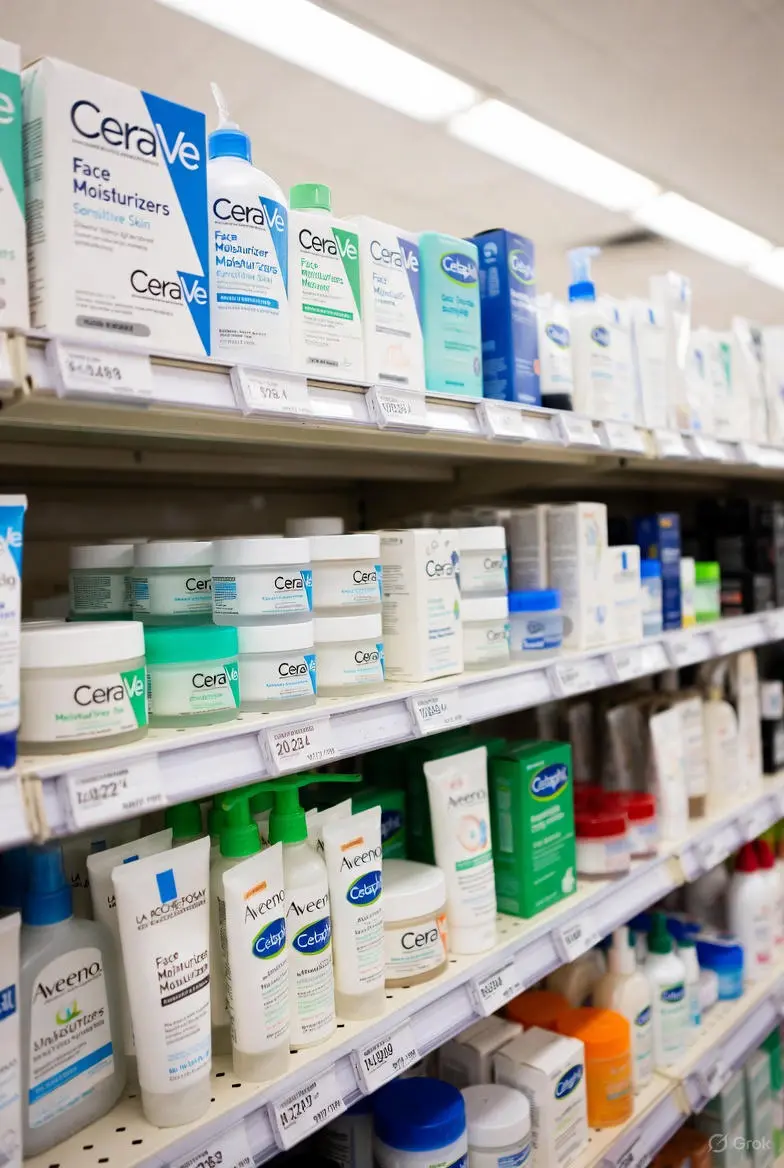
Let me share a secret that dermatologists don’t always advertise: Some of the most effective sensitive skin products are drugstore staples. You’re not sacrificing quality for affordability—you’re often getting the exact same active ingredients found in luxury brands, just without the fancy packaging and marketing markup.
Take CeraVe, for example. This brand was developed with dermatologists and contains the same ceramide blend found in products costing five times as much. La Roche-Posay, another pharmacy favorite (even though it’s French, it’s widely available at drugstores), is prescribed by dermatologists worldwide for sensitive and reactive skin.
The anti-aging skin care market is expected to reach $50 billion globally, with anti-aging moisturizers alone accounting for about $5 billion. But here’s what they won’t tell you: The drugstore versions often work just as well as the prestige ones. The difference? Marketing budgets.
Hydration vs. Occlusion: Understanding the Science
When you’re choosing a fragrance-free drugstore moisturizer for sensitive skin, you need to understand two key concepts:
Hydration means adding water to your skin. Ingredients like hyaluronic acid and glycerin are humectants—they draw moisture from the environment into your skin.
Occlusion means preventing water loss. Ingredients like petrolatum, dimethicone, and ceramides create a seal over your skin to lock that moisture in.
The best moisturizers do both. They hydrate and occlude, giving you long-lasting comfort without that tight, dry feeling.
Which Ingredients Should You Look For (and Avoid)?
Let me break this down in a way that actually makes sense. You’re standing in the drugstore aisle, squinting at ingredient labels that read like chemistry textbooks. What should you be looking for?
The Dream Team: Ingredients That Heal
Ceramides: Look for ceramide 1, 3, and 6-II specifically. These rebuild your skin barrier at the molecular level.
Peptides: These are short chains of amino acids that signal your skin to produce more collagen. Think of them as text messages telling your skin to get its act together.
Thermal Spring Water: Brands like La Roche-Posay and Avène use mineral-rich spring water that has anti-inflammatory properties proven in clinical studies.
Squalane: This is a plant-derived version of squalene, a lipid your skin produces naturally. It’s lightweight but incredibly nourishing.
Allantoin: A soothing ingredient derived from comfrey root that helps calm irritation and promote healing.
Fragrance-Free vs. Essential-Oil-Free: What’s the Difference?
Here’s where things get tricky. A product labeled “fragrance-free” might still contain essential oils for preservation or other purposes. And here’s the kicker: Essential oils can be just as irritating as synthetic fragrances.
If you have truly sensitive skin, look for products that are both fragrance-free and essential-oil-free. The best ones will explicitly state this on the packaging.
What Are the Best Drugstore Moisturizers for Sensitive Skin?
After analyzing dozens of formulas, consulting dermatologist recommendations, and considering thousands of user reviews, here are the best face moisturizers for sensitive skin that won’t break the bank.
CeraVe Moisturizing Cream
Price: $15-$20 for 19 oz
Key Ingredients: Ceramides 1, 3, and 6-II, hyaluronic acid, glycerin, petrolatum
Best For: Normal to dry sensitive skin, eczema-prone skin
This is the gold standard for a reason. CeraVe’s patented MVE technology releases moisturizing ingredients slowly throughout the day, so you’re not left feeling dry by lunch. It’s accepted by the National Eczema Association and recommended by dermatologists more than almost any other drugstore moisturizer.
I once tried this after a particularly bad reaction to a “natural” face oil (lesson learned), and it was like wrapping my angry skin in a soft, protective blanket. The thick cream texture might seem intimidating, but it absorbs surprisingly well without feeling greasy.
Pros:
- Affordable and widely available
- Can be used on face and body
- Fragrance-free and non-comedogenic
- Backed by dermatologists
Cons:
- Jar packaging isn’t the most hygienic
- Might be too heavy for very oily skin types
La Roche-Posay Toleriane Double Repair Face Moisturizer
Price: $20-$26 for 2.5 oz
Key Ingredients: Ceramide-3, niacinamide, glycerin, thermal spring water, SPF 30
Best For: All skin types, especially those with redness or rosacea
This lightweight cream is a workhorse. It repairs your skin barrier with ceramides, calms inflammation with niacinamide, and protects against sun damage with broad-spectrum SPF 30. One Seattle-based dermatologist calls this one of her go-to picks for pairing with tretinoin because it provides lasting moisture without feeling heavy.
The texture absorbs quickly, making it perfect for both morning and night use (though you’ll want to reapply SPF throughout the day). At less than $25, it’s an absolute steal for the technology you’re getting.
Pros:
- Built-in SPF 30
- Lightweight texture suits multiple skin types
- Fragrance-free with prebiotic benefits
- Doesn’t pill under makeup
Cons:
- More expensive per ounce than CeraVe
- SPF might leave a slight white cast on deeper skin tones
Vanicream Daily Facial Moisturizer
Price: $13-$15 for 3 oz
Key Ingredients: Hyaluronic acid, five ceramides, squalane
Best For: Extremely sensitive skin, contact dermatitis, post-procedure skin
If your skin freaks out at everything, Vanicream is your safe haven. The formula is free of dyes, fragrance, lanolin, parabens, formaldehyde, and pretty much every other common irritant. It was designed specifically for people with eczema, rosacea, and contact dermatitis.
The consistency is creamy but surprisingly lightweight. It sinks in quickly without any sticky residue, making it ideal for layering with other products. One tester noted that it “absorbs quickly, is lightweight and creamy but not overly greasy or heavy.”
Pros:
- One of the cleanest formulas available
- Free of virtually all common irritants
- Non-comedogenic
- Gentle enough for post-laser or post-peel skin
Cons:
- Very basic formula (no added anti-aging ingredients)
- Might not be moisturizing enough for extremely dry skin in winter
Cetaphil Gentle Clear Mattifying Acne Moisturizer
Price: $10-$12 for 3 oz
Key Ingredients: 0.5% salicylic acid, kojic acid, licorice root extract, bisabolol
Best For: Sensitive, acne-prone skin; oily skin types
Yes, you can have sensitive and acne-prone skin—it’s more common than you think. This moisturizer tackles both concerns with a lightweight, matte-finish formula that contains gentle acne-fighting salicylic acid plus botanicals that brighten and soothe.
One tester described it as “almost like a gel. I loved it. It was ideal for the warmer weather and almost felt cooling.” The formula absorbs quickly and doesn’t leave any greasy residue, making it perfect for layering under makeup.
Pros:
- Addresses acne without overdrying
- Matte finish perfect for oily skin
- Fragrance-free and hypoallergenic
- Helps fade post-acne marks
Cons:
- Not hydrating enough for dry skin types
- Some may need to build tolerance to salicylic acid
Neutrogena Hydro Boost Water Gel
Price: $18-$22 for 1.7 oz
Key Ingredients: Hyaluronic acid, glycerin, dimethicone
Best For: Oily or combination sensitive skin; those who dislike heavy creams
If you hate the feeling of thick creams on your face but still need serious hydration, this gel-cream is your answer. The ultra-lightweight texture is practically weightless, yet it manages to deliver intense moisture that lasts all day.
The gel formula absorbs almost instantly and creates a smooth base for makeup. It’s consistently topped bestseller lists and earned praise from dermatologists for its simple, effective formula. One tester noted that it “sinks in immediately but it still manages to be very moisturizing.”
Pros:
- Oil-free and non-comedogenic
- Layers beautifully with other products
- Fragrance-free formula
- Suitable for humid climates
Cons:
- Not moisturizing enough for very dry skin
- Small size for the price point
Aveeno Eczema Therapy Daily Moisturizing Cream
Price: $12-$15 for 7.3 oz
Key Ingredients: Colloidal oatmeal, ceramides, glycerin
Best For: Eczema, extremely dry and itchy skin, winter dryness
When your skin is so irritated that even water feels like it burns, reach for this. Colloidal oatmeal has been used for centuries to soothe inflamed skin, and it’s the star ingredient here. This formula is accepted by the National Eczema Association and provides immediate relief from itching and dryness.
The texture is rich and creamy without being too heavy. I keep a tube of this on hand for those brutal winter months when my skin gets so dry it starts to crack.
Pros:
- Steroid-free relief for eczema flares
- Colloidal oatmeal calms itching fast
- Fragrance-free and gentle
- Great value for the size
Cons:
- Very rich texture might be too much for oily skin
- Takes a moment to fully absorb
Eucerin Advanced Repair Cream
Price: $10-$14 for 16 oz
Key Ingredients: Ceramides, natural moisturizing factors, glycerin
Best For: Very dry, flaky sensitive skin; mature skin
This is serious hydration in a jar. Eucerin’s Advanced Repair Cream is clinically proven to repair very dry skin, and it does so with a fragrance-free formula that’s gentle enough for sensitive skin. The ceramide blend strengthens your barrier while natural moisturizing factors restore your skin’s hydration levels.
The texture is thick and buttery, melting into your skin like, well, butter. It’s perfect for nighttime use or as a winter warrior when your skin needs extra protection.
Pros:
- Intensely moisturizing without feeling greasy
- Excellent for mature or very dry skin
- Can be used on face and body
- Budget-friendly for the amount you get
Cons:
- Too heavy for daytime use for some
- Jar packaging
- Might be overwhelming for oily skin types
What’s the Best Drugstore Moisturizer for Your Skin Type?
Not all sensitive skin is the same. Your skin might be dry and flaky, oily and reactive, or somewhere in between. Here’s how to match your specific needs with the right product.
For Dry, Sensitive Skin
Top Pick: CeraVe Moisturizing Cream or Eucerin Advanced Repair Cream
If your sensitive skin is also dry, you need a formula that’s rich in both humectants (to draw moisture in) and occlusives (to seal it in). Look for thick, creamy textures with ceramides, petrolatum, or dimethicone high on the ingredient list.
Apply your moisturizer to slightly damp skin—this traps extra water in your skin for maximum hydration. And don’t be afraid of “heavy” formulas; dry, sensitive skin often needs that extra nourishment to feel comfortable.
For Oily, Sensitive Skin
Top Pick: Neutrogena Hydro Boost Water Gel or Cetaphil Gentle Clear Mattifying Acne Moisturizer
Yes, oily skin still needs moisturizer—in fact, skipping it can make your skin produce even more oil to compensate. The key is choosing lightweight, oil-free formulas that hydrate without adding shine or clogging pores.
Gel-based or water-gel moisturizers are your best friends. They provide hydration through humectants like hyaluronic acid while leaving a matte or semi-matte finish that doesn’t interfere with makeup.
For Combination, Sensitive Skin
Top Pick: La Roche-Posay Toleriane Double Repair Face Moisturizer
Combination skin is tricky—you’re oily in some areas (usually the T-zone) and dry in others (often the cheeks). You need a balanced formula that doesn’t over-moisturize your oily zones or under-moisturize your dry patches.
Look for lightweight creams or gel-creams that absorb quickly. The La Roche-Posay Toleriane is perfect because it’s hydrating enough for dry areas but light enough not to make oily areas shiny.
For Acne-Prone, Sensitive Skin
Top Pick: Cetaphil Gentle Clear Mattifying Acne Moisturizer
This is one of the most frustrating skin type combinations. You need acne-fighting ingredients, but most of them are too harsh for sensitive skin. The solution is finding non-comedogenic moisturizers for sensitive skin that contain gentle actives like salicylic acid at lower percentages.
Avoid heavy oils and thick balms, which can clog pores. Instead, opt for lightweight lotions or gels with proven acne-fighting ingredients balanced with soothing ones like niacinamide or bisabolol.
For Eczema-Prone, Sensitive Skin
Top Pick: Aveeno Eczema Therapy Daily Moisturizing Cream or CeraVe Moisturizing Cream
Eczema requires special care. You need affordable moisturizers safe for eczema-prone skin that are free of common irritants and packed with skin-barrier-repairing ingredients. Look for products with the National Eczema Association seal of acceptance.
The key is consistent, generous application—multiple times a day if needed. Apply while your skin is still damp from washing to lock in maximum moisture.
For Mature, Sensitive Skin
Top Pick: CeraVe Skin Renewing Night Cream or Eucerin Advanced Repair Cream
As skin matures, it produces less oil and becomes thinner and more fragile. You need richer formulas with anti-aging ingredients that won’t irritate. Look for peptides, niacinamide, and of course, ceramides to support both hydration and firmness.
Night creams are particularly important for mature skin because that’s when most cellular repair happens. Apply generously before bed and wake up to plumper, more resilient skin.
How Do Dermatologists Recommend Applying Moisturizer for Sensitive Skin?
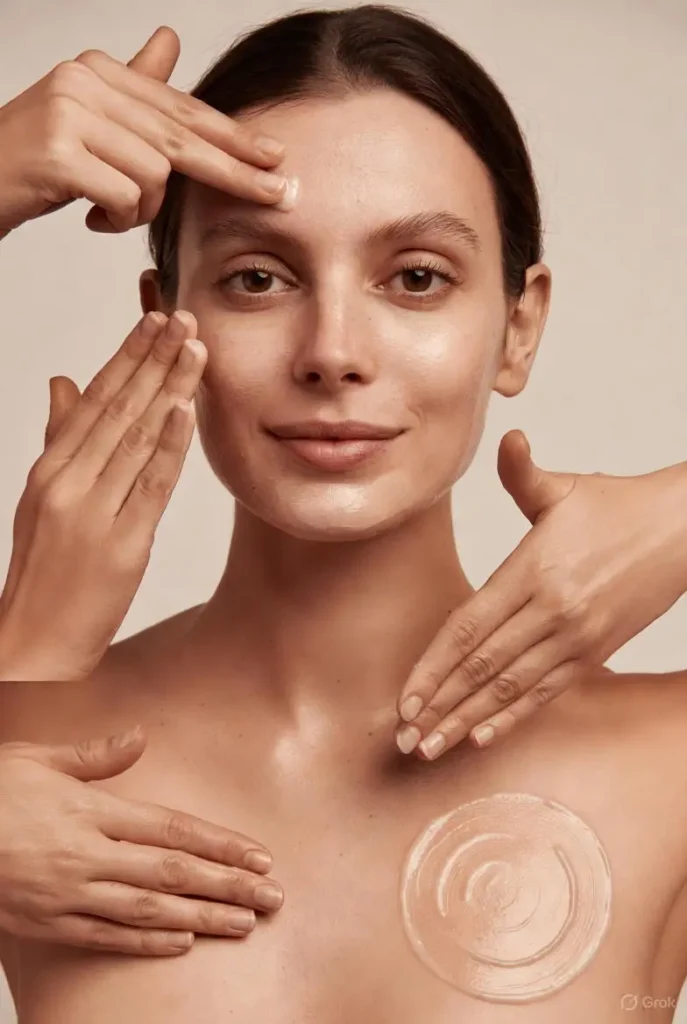
You might be using the right product but applying it wrong. Here’s the dermatologist-approved method for getting the most out of your moisturizer:
The 3-Minute Rule
Apply your moisturizer within three minutes of washing your face. Why? Your skin is still damp, which means it’s more permeable and can better absorb the ingredients. Plus, you’re trapping that water in your skin for extra hydration.
Layer Correctly
Skincare goes from thinnest to thickest. The order should be:
- Cleanser (remove makeup, dirt, oil)
- Toner or essence (if using)
- Serum (targeted treatments)
- Moisturizer (seal everything in)
- Sunscreen (always during the day)
If you’re using prescription treatments like tretinoin, apply your moisturizer first, wait a few minutes, then apply the treatment. This “buffering” technique reduces irritation without significantly decreasing effectiveness.
Amount Matters
Use about a nickel-sized amount for your entire face and neck. That sounds like a lot, but your skin needs adequate coverage to get the full benefits. If you’re using a product with SPF, you’ll need even more—about a quarter-sized amount—to get the stated protection.
Don’t Forget Your Neck and Chest
Your neck and chest show aging just as much as your face, but they’re often neglected. Extend your moisturizer down to these areas, using gentle upward strokes.
Moisturizers for Morning vs. Night
Your skin has different needs at different times of day:
Morning: Choose lighter formulas with SPF. Your moisturizer needs to layer well under makeup and provide protection against environmental stressors.
Night: Go richer. Your skin repairs itself while you sleep, so this is the time for more intensive moisturizers with barrier-repair ingredients. Night creams can be heavier and more occlusive since you don’t need to worry about makeup or sun protection.
Seasonal Adjustments Matter
Summer: Switch to lighter, gel-based formulas. Humidity helps keep skin hydrated, so you don’t need as much occlusion. Look for oil-free options that won’t feel heavy in the heat.
Winter: Bring out the heavy hitters. Cold air and indoor heating zap moisture from your skin. You’ll need richer creams with more occlusives to combat the dryness. Some people even layer a facial oil over their moisturizer for extra protection.
Here’s something surprising: Your skin can lose up to 25% more moisture in winter due to low humidity levels. That’s why your usual moisturizer might suddenly stop working when the temperature drops.
How to Patch-Test a New Product Safely
Even the gentlest, most dermatologist-tested products can cause reactions in some people. That’s why patch-testing is crucial, especially for sensitive skin.
The 48-Hour Method
- Choose your spot: Apply a small amount of the product to your inner forearm or behind your ear—these areas are sensitive but not as visible as your face.
- Apply twice daily: Put a small dab on the same spot morning and night for 48 hours.
- Watch for reactions: Look for redness, itching, burning, bumps, or any discomfort. Some reactions are immediate; others take time to develop.
- If clear, test on your face: Apply the product to a small area of your face (like your jawline) for another 48 hours before using it all over.
Insider Tips from Dermatologists
- Test one product at a time: If you introduce multiple products at once and have a reaction, you won’t know which one caused it.
- Wait a week between new products: This gives your skin time to adjust and shows delayed reactions.
- Keep a skincare journal: Note when you started each product and any reactions. This helps identify patterns, especially if you have conditions like rosacea or eczema that can flare unpredictably.
- Don’t test near your period: Hormonal fluctuations can make your skin more reactive. Test during the middle of your cycle for more accurate results.
What If You Have a Reaction?
Stop using the product immediately. Rinse the area with cool water and apply a bland, soothing cream like petroleum jelly or a hydrocortisone cream (if appropriate). If the reaction is severe—blistering, intense pain, spreading rash—see a dermatologist.
Save the product for your doctor to review. Sometimes a single irritating ingredient can be identified, helping you avoid it in future products.
Common Mistakes People With Sensitive Skin Make
Let me save you from the mistakes I’ve made (and seen countless others make) over the years.
Mistake #1: Over-Exfoliating
I get it—you want smooth, glowing skin. But if you’re using physical scrubs, chemical exfoliants, and exfoliating cleansers all in the same week, you’re destroying your skin barrier. For sensitive skin, limit exfoliation to once or twice a week max, and use gentle methods like lactic acid or polyhydroxy acids (PHAs).
Mistake #2: Assuming “Natural” Means “Gentle”
Essential oils, citrus extracts, botanical fragrances—they might sound soothing, but they’re often the culprits behind contact dermatitis. Remember: More than 80 essential oils have been linked to skin reactions. Natural doesn’t automatically mean safe for sensitive skin.
Mistake #3: Not Moisturizing Because Your Skin Feels “Greasy”
If your skin feels oily, your instinct might be to skip moisturizer. Big mistake. Oily skin can still be dehydrated, and skipping moisturizer can actually trigger your skin to produce more oil to compensate. Instead, choose an oil-free, lightweight formula designed for your skin type.
Mistake #4: Using Too Many Products
The 10-step skincare routine might work for some people, but if you have sensitive skin, less is often more. Each product you add is another potential irritant. Stick to the basics: cleanser, moisturizer, and sunscreen. Add treatments slowly and only if needed.
Mistake #5: Changing Products Too Quickly
Your skin needs time to adjust to new products—typically 4-6 weeks to see real results. If you switch products every week because you’re not seeing immediate improvement, you’ll never know what actually works. Be patient and give products time to prove themselves.
Mistake #6: Skipping Sunscreen
UV damage is one of the leading causes of premature aging and can worsen conditions like rosacea and melasma. Even if you’re indoors most of the day, you need daily sun protection. Look for mineral sunscreens with zinc oxide or titanium dioxide, which are less likely to irritate sensitive skin.
Mistake #7: Not Reading Full Ingredient Lists
Just because a product is labeled “for sensitive skin” doesn’t mean it’s right for your sensitive skin. Always check the full ingredient list, especially if you have known sensitivities or allergies. Ingredients are listed in descending order by concentration, so the first five ingredients are the most important.
Frequently Asked Questions About Drugstore Moisturizers for Sensitive Skin
Q: Can I use drugstore moisturizers if I have rosacea?
A: Absolutely. Many dermatologists recommend drugstore options like La Roche-Posay Toleriane or CeraVe for rosacea-prone skin. Look for fragrance-free formulas with niacinamide, which helps reduce redness and inflammation. Avoid products with alcohol, menthol, or eucalyptus, which can trigger flares.
Q: How long does it take to see results from a new moisturizer?
A: For immediate hydration, you should feel a difference within a few days. For barrier repair and reduction in sensitivity, give it at least 2-4 weeks of consistent use. If you’re seeing no improvement after a month, the product might not be right for you.
Q: Should I use different moisturizers in summer vs. winter?
A: Yes! Your skin’s needs change with the seasons. In humid summer months, you can often get away with lighter formulas. In winter, when humidity plummets, you’ll likely need richer, more occlusive creams to combat dryness.
Q: Can I layer multiple moisturizers?
A: You can, but it’s usually unnecessary. If you need extra hydration, try applying your moisturizer to damp skin or adding a hyaluronic acid serum underneath. If your skin is extremely dry, you can layer a lighter moisturizer first, then seal it with a richer cream or a thin layer of petroleum jelly (this is called “slugging”).
Q: Do I still need moisturizer if I have oily skin?
A: Yes! Oily skin still needs hydration. In fact, dehydrated skin can overproduce oil to compensate. Choose oil-free, lightweight formulas like gel-creams that provide hydration without adding shine or clogging pores.
Q: Are expensive moisturizers really better than drugstore ones?
A: Not necessarily. Many drugstore brands use the same effective ingredients as high-end products. The difference is often in packaging, texture, and brand prestige. CeraVe, for example, was developed with dermatologists and contains the same ceramide technology found in products costing five times as much.
Q: How do I know if my skin barrier is damaged?
A: Signs of a compromised barrier include: persistent redness, stinging or burning when applying products (even gentle ones), increased sensitivity to previously tolerated products, flakiness, rough texture, and more frequent breakouts. If this sounds like your skin, focus on barrier-repair ingredients like ceramides and avoid harsh actives until your barrier recovers.
Q: Can I use body moisturizer on my face?
A: Some products, like CeraVe Moisturizing Cream, are designed for both face and body. However, many body moisturizers contain fragrances or heavier ingredients that could clog facial pores or irritate facial skin. When in doubt, stick to products specifically formulated for the face.
Q: Is it normal for moisturizer to sting a little?
A: No. If your moisturizer stings, burns, or causes any discomfort, stop using it. This is a sign of irritation. The only exception is if you have active wounds or extremely compromised skin—in that case, even gentle products might sting temporarily as your skin heals.
Q: Should I refrigerate my moisturizer?
A: It’s not necessary, but storing your moisturizer in the fridge can feel incredibly soothing on inflamed or irritated skin. The cool temperature can help reduce redness and puffiness. Just make sure the product is in a sealed container to prevent contamination.
Your Path to Calmer, Happier Skin Starts Now
Finding the best drugstore moisturizer for sensitive skin doesn’t have to be overwhelming or expensive. Armed with the right knowledge about ingredients, formulas, and your specific skin type, you can navigate the drugstore aisles with confidence.
Remember: Your skin barrier is your best defense against the world. Treat it kindly with gentle, fragrance-free formulas packed with ceramides, hyaluronic acid, and other skin-identical ingredients. Be patient—healing takes time. And most importantly, listen to your skin. It’ll tell you what it needs.
Whether you’re dealing with eczema, rosacea, acne, or just general sensitivity, there’s a dermatologist-approved drugstore option that can help. Start with one of the products I’ve recommended, patch-test it properly, and give it at least a month to work its magic.
Your journey to calm, comfortable skin starts with a single step—or in this case, a single jar of moisturizer. Which one will you try first? Drop a comment below and let me know your sensitive skin success stories. And if you found this guide helpful, share it with someone else who’s struggling to find their perfect match.
Ready to explore more sensitive skin solutions? Check out our guides on the best face moisturizer with SPF for sensitive skin, best anti-aging moisturizer for sensitive skin, and best winter moisturizer for sensitive skin.
Your skin deserves to feel good. And with the right drugstore moisturizer, it finally can.