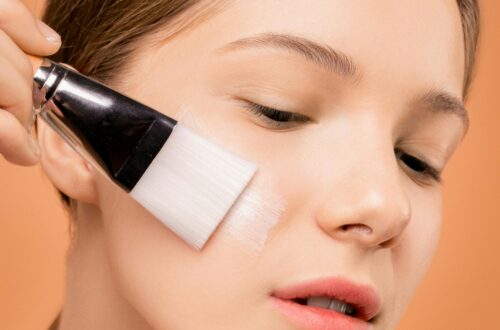
That’s exactly why finding the best moisturizer with SPF for mature skin is such a game-changer. You get two powerhouse steps in one elegant product, and your skin gets everything it needs: deep hydration, anti-aging support, and broad-spectrum sun protection. Not a bad deal for one jar on your bathroom shelf.
In this guide, we’re going to break down exactly what to look for, which ingredients make the biggest difference, how to shop smart, and a few honest insider tips that’ll save you both time and money.

Why SPF Is Non-Negotiable for Mature Skin
Here’s a statistic that stops people in their tracks: up to 90% of visible skin aging is caused by UV exposure, not the natural aging clock itself. That means the fine lines, the dark spots, the loss of firmness — a huge chunk of that is sun damage accumulating year after year.
For mature skin especially, this matters on a deeper level. As we age, our skin’s natural repair mechanisms slow down. The collagen-producing fibroblasts aren’t as efficient. Melanin distribution becomes uneven. The skin barrier is thinner. All of this means that UV damage hits harder and lingers longer on mature skin than it ever did in your twenties.
Think of daily SPF like compound interest for your skin. Every single day you apply it, you’re protecting what’s already there — preventing new damage from stacking on top of old. And when you combine that sun protection with the right moisturizing ingredients? You’re not just preventing further aging, you’re actively supporting the skin’s ability to recover and look more radiant.
What SPF Level Is Right for Mature Skin?
Dermatologists consistently recommend SPF 30 as the absolute minimum for daily use, with SPF 50 being the gold standard if you spend any meaningful time outdoors. For mature skin, I’d personally lean toward SPF 50 whenever possible, especially on the face, neck, and décolletage — areas that tend to show age first and get the most sun exposure throughout the day.
Also worth knowing: the difference between SPF 30 and SPF 50 in terms of UV protection is smaller than most people think (about 97% vs. 98% blockage of UVB rays), but SPF 50 offers a useful buffer for those moments when application was a little rushed or uneven.

Key Ingredients to Look for in an SPF Moisturizer for Mature Skin
Not all SPF moisturizers are created equal, and for mature skin, the ingredient list matters enormously. You’re not just shopping for sun protection — you want a formula that actively works for your skin while it protects it.
Hyaluronic Acid
This is a must. Hyaluronic acid holds up to 1,000 times its weight in water and delivers that plump, bouncy look that mature skin often loses due to decreased natural moisture retention. If you’re already exploring dedicated hydration products, check out the best hyaluronic acid moisturizer for mature skin for deeper dives into pure HA formulas. But in an SPF moisturizer, HA as a co-ingredient is genuinely transformative.
Peptides
Peptides are short chains of amino acids that signal your skin to produce more collagen. For mature skin, this is like sending a gentle wake-up call to sleeping cells. Look for ingredients like Matrixyl, Argireline, or palmitoyl pentapeptide on the label.
Niacinamide
A form of Vitamin B3, niacinamide is one of the most well-researched ingredients in skincare. It visibly reduces the appearance of dark spots, minimizes pores, strengthens the skin barrier, and has anti-inflammatory properties. For mature skin dealing with uneven tone and hyperpigmentation, this is gold.
Antioxidants (Vitamin C, E, and Ferulic Acid)
Antioxidants neutralize free radicals generated by UV exposure. When paired with SPF, they create a synergistic protective effect — SPF blocks UV rays, antioxidants mop up the oxidative damage that slips through. Vitamin C also brightens and helps fade sun damage already present.
Ceramides
Ceramides are lipids that make up a significant part of the skin’s natural barrier. As we age, ceramide levels drop, leading to dryness, sensitivity, and increased water loss. A moisturizer with ceramides helps rebuild that barrier from the inside out.
Chemical vs. Mineral Sunscreen Filters
This is worth a brief note. Chemical filters (like avobenzone and octinoxate) absorb UV rays and convert them to heat. Mineral filters (zinc oxide and titanium dioxide) sit on top of the skin and physically reflect UV rays. For mature or sensitive skin, mineral or hybrid formulas are often better tolerated and less likely to cause irritation. The downside? Some mineral formulas can leave a white cast — though modern micronized mineral filters have largely solved this problem.
How to Apply SPF Moisturizer Correctly for Maximum Benefit
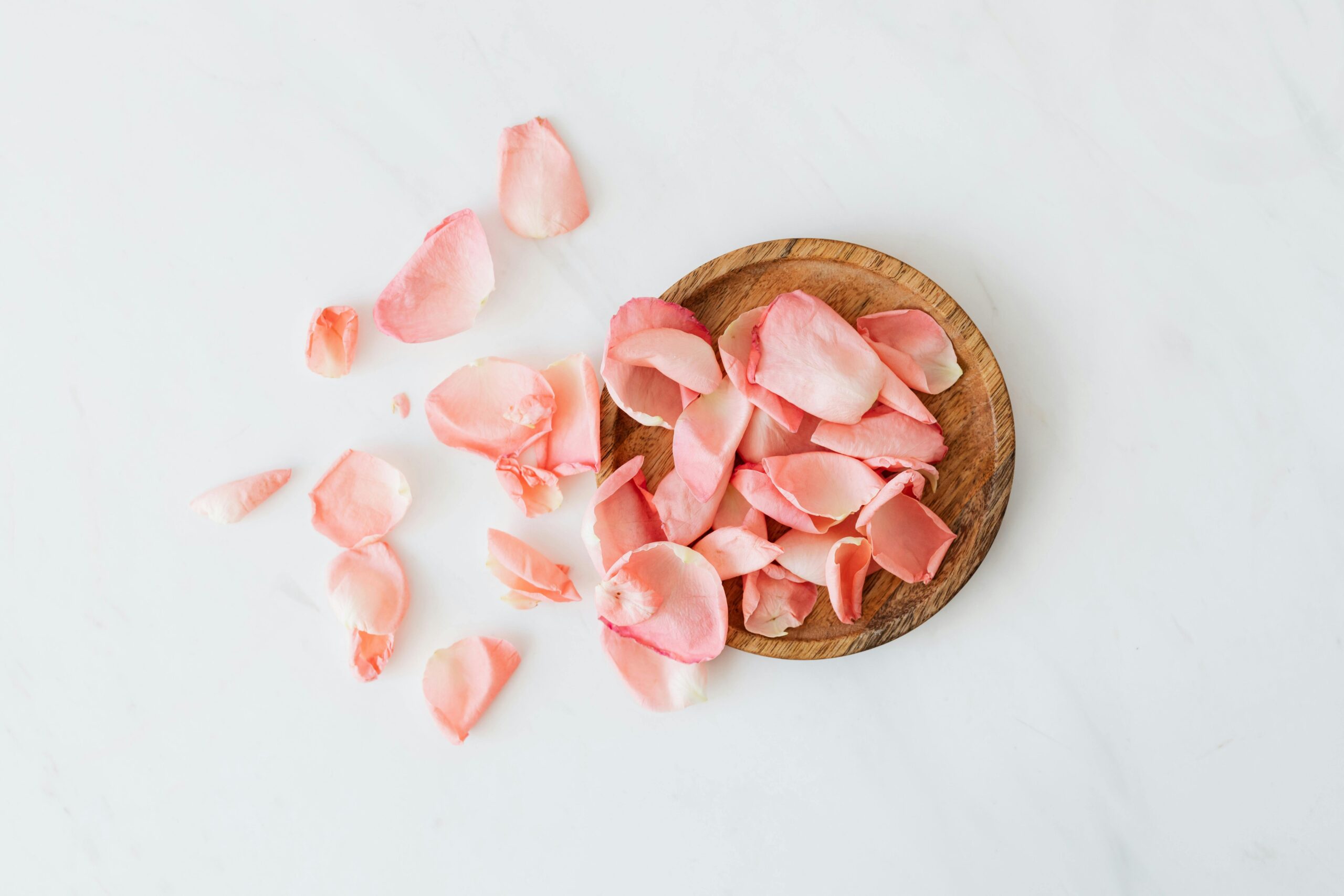
You can have the world’s best product and still shortchange yourself if the application is off. Most people apply only 25–50% of the recommended amount of sunscreen, which dramatically reduces the actual SPF protection received.
For your face alone, a generous application means about a nickel-sized amount — or roughly a quarter teaspoon. Apply it as the last step in your morning skincare routine, after serums and before makeup. Give it a moment to absorb before layering anything else on top.
And yes, reapplication is real. If you’re outdoors for extended periods or sweating, reapply every two hours. For everyday indoor life with some window exposure, a solid morning application will carry you through most of the day.
The Best Moisturizer with SPF for Mature Skin: What to Look For by Skin Type
Mature skin doesn’t come in one variety. Some of us have dry, flaky patches. Others deal with combination zones or even oily-mature (yes, it exists and it’s more common than you’d think). Here’s how to narrow your search by your specific skin concerns.
For Dry Mature Skin
Look for rich, creamy textures with shea butter, squalane, or ceramides alongside your SPF. Avoid formulas with high alcohol content, which can be drying. The goal is something that feels like a drink of water — not a film on the surface. You might also want to layer a dedicated night formula for maximum repair during sleep; exploring the best night time moisturizer for mature skin alongside your daytime SPF product creates a powerful 24-hour routine.
For Combination or Oily Mature Skin
A lightweight, fluid or gel-cream formula will serve you best. Look for non-comedogenic labels and avoid heavy occlusives like petrolatum if your T-zone tends to shine. Niacinamide in the formula is especially helpful here for pore minimization and oil balance.
For Sensitive Mature Skin
Stick to fragrance-free, mineral-based SPF formulas. Zinc oxide is your best friend — it’s inherently soothing and anti-inflammatory. Avoid active ingredients like high-dose retinol combined with SPF in the same product, as layering actives improperly can cause irritation. If you prefer a more nature-forward approach, exploring the best natural moisturizer for mature skin for your PM routine can complement a mineral SPF beautifully during the day.
SPF Moisturizer and Makeup: Can They Work Together?
Absolutely — with a little strategy. If you wear foundation or tinted coverage, an SPF moisturizer applied underneath is your base layer of protection. However, it’s important to note that tinted foundations with SPF claims don’t replace a dedicated SPF moisturizer — you’d never apply enough foundation to achieve the labeled SPF.
If you prefer a more effortless look, a well-chosen best tinted moisturizer for mature skin with built-in SPF can genuinely simplify your morning routine to almost nothing — one product that hydrates, protects, and offers a hint of skin-perfecting coverage. For mature skin, look for formulas with light-diffusing particles that blur the appearance of fine lines rather than settling into them.
Korean beauty formulas have also been particularly innovative in this space, creating hybrid cushion and fluid SPF moisturizers with extraordinary texture and finish. If that direction interests you, exploring the best Korean moisturizer for mature skin is well worth your time — K-beauty has arguably led the charge in combining skincare and sun protection in elegant, skin-loving formats.
Building Your Complete Mature Skin Routine Around SPF
Your SPF moisturizer doesn’t operate in isolation. It’s part of an ecosystem of care. Here’s a simple framework that works beautifully:
- Morning: Gentle cleanser → antioxidant serum (Vitamin C) → eye cream → SPF moisturizer → makeup if desired
- Evening: Double cleanse if wearing SPF/makeup → treatment serum or retinol → rich night cream
- Weekly: Gentle exfoliation 1-2x per week to help your SPF moisturizer absorb more effectively on fresh skin
For a complete overview of where SPF moisturizer fits into the broader picture of mature skin hydration, the guide to the best moisturizer for mature skin is an excellent companion read that covers the full spectrum of what your skin needs at this stage of life.

Common Mistakes to Avoid When Using SPF Moisturizer
Even the best product can underperform if a few key habits aren’t in place. Here are the most common pitfalls:
- Skipping the neck and chest: These areas age just as fast as the face and get equal sun exposure. Apply your SPF moisturizer down to your décolletage every single morning.
- Relying on SPF in foundation alone: As mentioned, you’d need a truly unrealistic amount of foundation to hit the SPF numbers on the label. Your dedicated SPF moisturizer is the real protection.
- Not checking expiry dates: SPF degrades over time. Check the period after opening (PAO) symbol on your product and don’t push it past its recommended lifespan.
- Skipping SPF on cloudy days: Up to 80% of UV rays penetrate cloud cover. Every. Single. Day.
- Applying SPF over still-wet skin: Let your serum and any previous layers absorb fully before applying your SPF moisturizer for the best result.
Frequently Asked Questions
Can I use an SPF moisturizer instead of a separate sunscreen?
Yes — for everyday city or indoor life, a well-formulated SPF 30-50 moisturizer is sufficient. For extended outdoor exposure, swimming, or high-altitude activities, a dedicated sunscreen with reapplication is the better choice.
Is SPF moisturizer enough for mature skin, or do I still need a separate serum?
SPF moisturizer handles hydration and UV protection, but a targeted serum (especially one with Vitamin C or retinol) will address specific concerns like pigmentation and collagen loss more powerfully. Think of them as teammates, not competitors.
Will SPF moisturizer feel heavy or greasy on mature skin?
Modern formulas are remarkably lightweight. Look for “fluid,” “gel-cream,” or “weightless” descriptors on the packaging, and you’ll find options that feel barely-there even on days when your skin feels particularly sensitive or congested.
How does an SPF moisturizer interact with retinol in my routine?
Retinol should be used at night, not in your morning SPF moisturizer. During the day, your SPF moisturizer protects the freshly renewed skin that retinol has been working on overnight. Perfect teammates.
Do I need a different SPF moisturizer in summer vs. winter?
Your SPF level shouldn’t drop in winter, but you might switch to a richer formula in colder months when mature skin tends to feel drier and more reactive. Some people find a lighter texture works in summer and a creamier version for winter comfort.
Conclusion: Give Your Skin the Daily Gift of Protection and Hydration
Finding the best moisturizer with SPF for mature skin is genuinely one of the highest-impact choices you can make for your complexion. You’re not just preventing wrinkles — you’re protecting the skin you’ve been nurturing, treating, and investing in every single day. It’s the foundation of everything else you do in your skincare routine.
Start with your SPF level (minimum 30, ideally 50), layer in the key ingredients your mature skin craves — hyaluronic acid, peptides, niacinamide, ceramides — and choose a texture that you’ll actually enjoy applying every morning. Because the best SPF moisturizer in the world is the one you consistently reach for.
Ready to go deeper? Explore our full roundup of the best moisturizer for mature skin for every need and budget, or discover whether a dedicated best hyaluronic acid moisturizer for mature skin deserves a spot in your routine alongside your SPF. Your skin is worth every thoughtful choice.