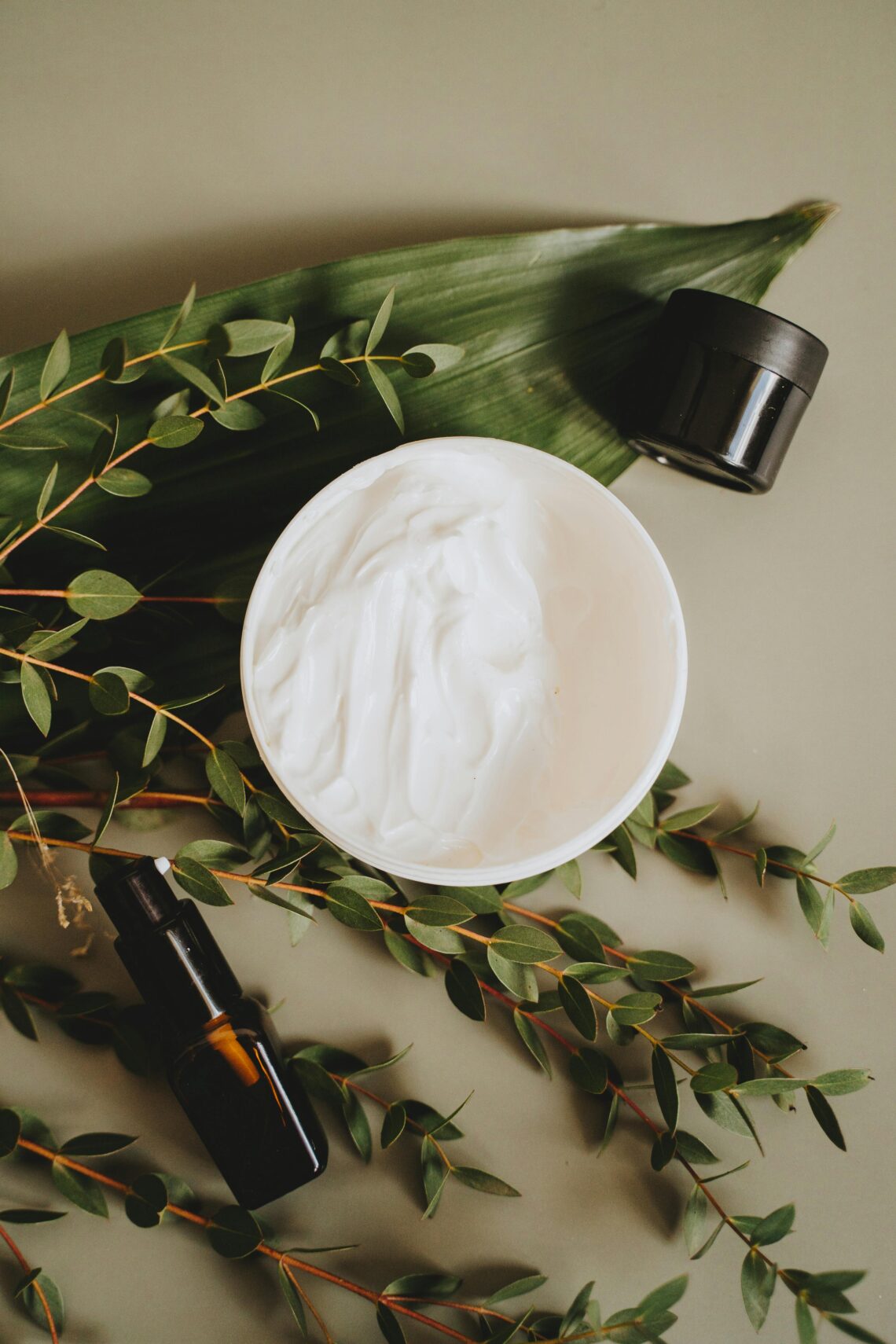
Here’s the good news: natural moisturizers have come a long way. The right formula can hydrate your skin deeply, calm inflammation, and actually help your acne rather than aggravate it. In this guide, we’re breaking down everything you need to know — from key ingredients to avoid, to the top products worth your money.

Why Acne Prone Skin Still Needs Moisture
Let’s bust a myth right now: skipping moisturizer will not clear your acne. In fact, it often makes things worse. When your skin is dehydrated, it compensates by producing more sebum — and excess oil is one of the primary culprits behind clogged pores and breakouts. Think of your skin barrier like a brick wall. Without proper hydration, the “mortar” between those bricks crumbles, leaving your skin vulnerable to bacteria, irritants, and inflammation.
Dermatologists consistently emphasize that even oily, acne prone skin needs a lightweight, non-comedogenic moisturizer daily. The trick is choosing one with the right ingredients — ideally natural ones that work with your skin rather than against it.
If you’re still exploring your options, our full guide on the best moisturizer for acne prone skin is a great place to start before diving into the natural category specifically.
What Makes a Moisturizer “Natural”?
The term “natural” gets thrown around a lot in beauty marketing, so let’s define it clearly. A natural moisturizer typically relies on plant-derived ingredients, botanical extracts, and naturally occurring compounds rather than synthetic chemicals. That said, “natural” doesn’t automatically mean safe for acne prone skin — coconut oil, for example, is completely natural but notoriously pore-clogging for many people.
The best natural moisturizers for acne prone skin share a few key traits:
- Non-comedogenic: They won’t clog pores.
- Anti-inflammatory: They help calm redness and irritation.
- Lightweight texture: Gel-based or water-based formulas absorb quickly.
- Minimal synthetic fragrance: Fragrance is a leading cause of skin sensitivity.
- Balanced pH: Supports a healthy skin microbiome.

Best Natural Ingredients to Look For
Aloe Vera
Aloe vera is basically the superhero of natural skincare. It’s deeply hydrating, anti-inflammatory, and antimicrobial — a triple threat for acne prone skin. It soothes active breakouts while delivering moisture without any greasiness. Look for products where aloe is listed near the top of the ingredient list for maximum benefit.
Niacinamide (Vitamin B3)
While technically a vitamin rather than a botanical, niacinamide is found naturally in many foods and is considered a “clean” skincare staple. It regulates sebum production, minimizes pores, and reduces post-acne hyperpigmentation. It’s one of the most well-researched ingredients in dermatology.
Green Tea Extract
Rich in polyphenols and antioxidants, green tea extract fights the oxidative stress that contributes to acne. It also has mild antibacterial properties and helps reduce inflammation around active breakouts. A moisturizer with green tea extract is like giving your skin a calming cup of tea every morning.
Jojoba Oil
Technically a wax ester rather than an oil, jojoba closely mimics the skin’s natural sebum. This makes it uniquely compatible with acne prone skin — it hydrates without triggering excess oil production. It’s also non-comedogenic and has mild antibacterial properties.
Centella Asiatica (Cica)
If you’ve been exploring Korean skincare, you’ve likely encountered this ingredient. Centella asiatica is a powerhouse for healing, soothing, and strengthening the skin barrier. It’s particularly effective for skin that’s both acne prone and sensitive.
Hyaluronic Acid
Naturally produced by the body, hyaluronic acid is a humectant that draws water into the skin. It’s completely oil-free, making it ideal for acne prone skin. A good natural moisturizer will often combine hyaluronic acid with botanical extracts for layered hydration.
Ingredients to Avoid in Natural Moisturizers
Not all natural ingredients play nicely with acne prone skin. Watch out for:
- Coconut oil: High comedogenic rating — clogs pores for many skin types.
- Cocoa butter: Rich and occlusive, great for dry skin but risky for acne.
- Wheat germ oil: Heavy and pore-clogging.
- Essential oils in high concentrations: Can cause irritation and sensitization.
- Lanolin: Derived from wool, it can clog pores in acne prone skin.
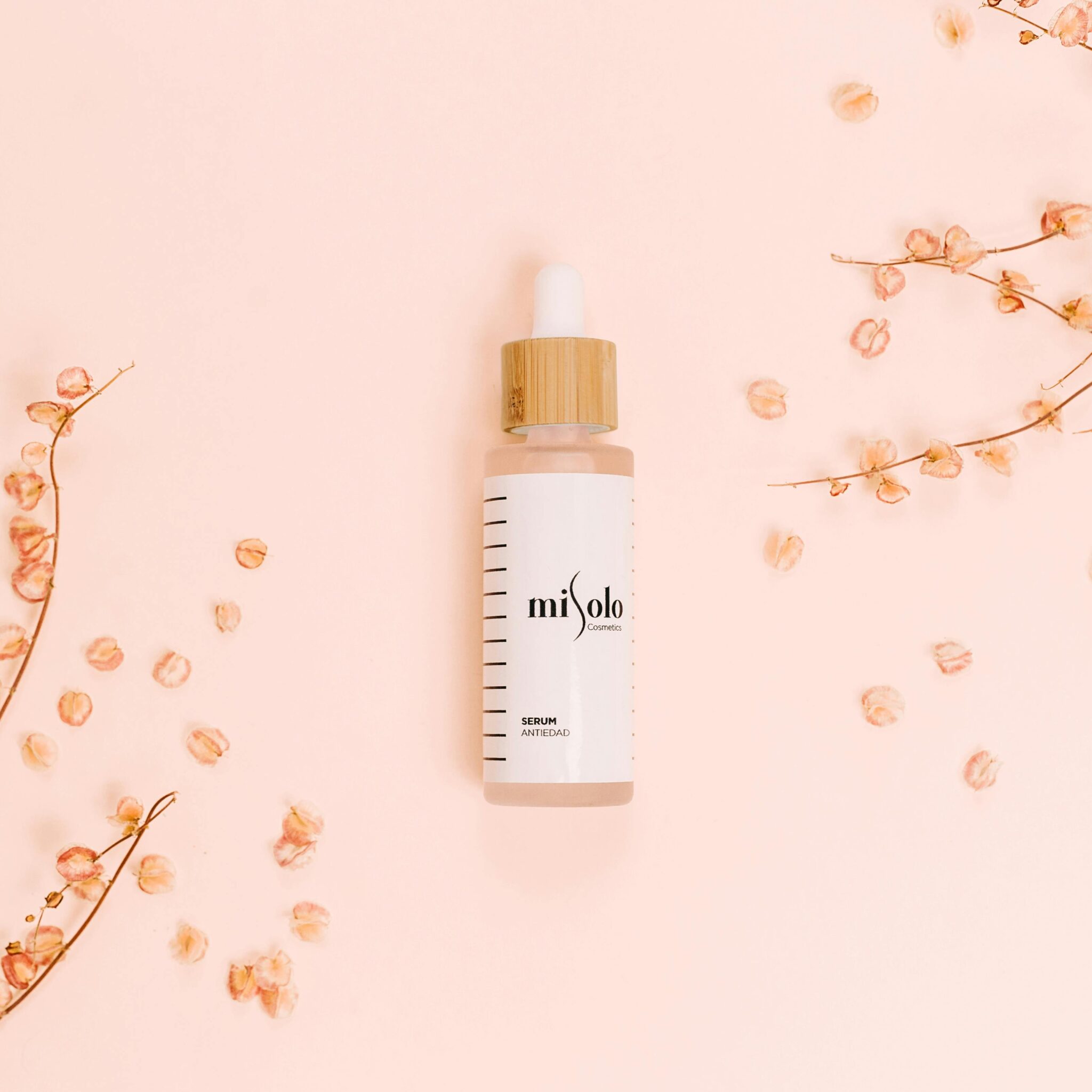
Best Products for Natural Moisturizer for Acne Prone Skin
After extensive research and real-world testing, here are five standout natural moisturizers that genuinely deliver for acne prone skin:
| Product | Brand | Key Ingredients | Why It Works |
|---|---|---|---|
| Squalane + Probiotic Gel Moisturizer | Biossance | Plant-derived squalane, probiotics, niacinamide | Balances microbiome, deeply hydrates without clogging pores, gel texture absorbs instantly |
| Daily Moisturizing Lotion SPF 15 | Aveeno | Oat extract, niacinamide, dimethicone | Colloidal oat soothes inflammation; lightweight formula won’t exacerbate breakouts |
| Centella Green Level Unscented Cream | Purito | Centella asiatica, panthenol, ceramides | Fragrance-free, barrier-repairing, ideal for sensitive acne prone skin; beloved in K-beauty routines |
| Superfood Air-Whip Moisture Cream | Youth To The People | Kale, spinach, green tea extract, hyaluronic acid | Antioxidant-rich botanical blend fights oxidative stress; featherlight whipped texture |
| Aloe Vera Gel Moisturizer | Seven Minerals | Organic aloe vera (99%), xanthan gum | Pure, minimal ingredient list; ideal for those with sensitivities; calms redness and hydrates |
Looking for budget-friendly picks? Our dedicated roundup of the best drugstore moisturizer for acne prone skin includes several natural options at accessible price points.

How to Apply Your Natural Moisturizer for Best Results
Even the best product won’t perform well if it’s applied incorrectly. Here’s a simple routine to maximize your results:
Step 1: Cleanse Gently
Use a gentle, sulfate-free cleanser. Harsh cleansers strip your skin’s natural oils, triggering that rebound oil production we mentioned earlier.
Step 2: Apply Toner or Essence (Optional)
A hydrating, alcohol-free toner preps the skin to absorb your moisturizer more effectively. Look for ones with aloe or centella asiatica.
Step 3: Moisturize on Damp Skin
Apply your natural moisturizer while your skin is still slightly damp — within 60 seconds of patting dry. This locks in extra hydration. Use gentle upward strokes and don’t tug at the skin.
Step 4: Don’t Skip SPF in the Morning
UV exposure worsens post-acne marks and hyperpigmentation. Layer a mineral SPF over your moisturizer during the day. Zinc oxide, a naturally derived mineral, is a great option for acne prone skin.
Natural Moisturizers and Korean Skincare: A Perfect Match
Korean skincare philosophy has long championed gentle, ingredient-focused formulations — and it aligns beautifully with the natural moisturizer movement. K-beauty brands have pioneered the use of centella asiatica, snail mucin (a natural secretion), green tea, and fermented ingredients in lightweight, non-comedogenic formulas.
If you’re curious about this crossover, our guide to the best Korean moisturizer for acne prone skin explores some incredible options that blend natural ingredients with innovative K-beauty formulation techniques.
Can You Wear Natural Moisturizer Under Makeup?
Absolutely — and this is where things get exciting. Many people with acne prone skin avoid heavy foundation because it worsens breakouts. A lightweight natural moisturizer can actually double as an excellent makeup base, evening out texture and giving skin a healthy, hydrated glow.
For days when you want a little coverage without a full face of foundation, you might love exploring the best tinted moisturizer for acne prone skin — many of which now include natural and clean formulations with skin-loving botanicals.
When choosing a natural moisturizer to wear under makeup, opt for gel-cream or water-gel textures. They absorb fully, create a smooth canvas, and won’t pill under foundation.

Building a Consistent Natural Skincare Routine
Consistency is the unsexy secret to clear skin. A natural moisturizer works best as part of a thoughtful, minimal routine. You don’t need twelve steps — you need the right three or four, applied daily without fail.
Here’s a simple framework:
- Morning: Gentle cleanser → Natural moisturizer → Mineral SPF
- Evening: Gentle cleanser → Treatment (niacinamide serum or salicylic acid) → Natural moisturizer
- Weekly: Clay mask to draw out impurities and minimize pores
Give any new moisturizer at least four to six weeks before judging its effectiveness. Skin cell turnover takes about 28 days, and natural ingredients tend to work more gradually (and gently) than their synthetic counterparts.
For a broader look at building a complete routine, revisit our comprehensive overview of the best moisturizer for acne prone skin to understand how moisture fits into the bigger picture of acne management.
Frequently Asked Questions
Is natural moisturizer better for acne prone skin than regular moisturizer?
Not necessarily “better” across the board, but natural moisturizers tend to have simpler ingredient lists with fewer synthetic fragrances and irritants — which can reduce the risk of sensitivity reactions that worsen acne. The key is choosing non-comedogenic formulas regardless of whether they’re natural or conventional.
Can I use jojoba oil as a moisturizer for acne prone skin?
Yes! Jojoba oil is one of the most acne-friendly natural oils because it closely mimics the skin’s sebum and has a comedogenic rating of 2 (low). It works best as a facial oil layered under a lightweight moisturizer, or alone for those with very oily skin who want minimal product.
How do I know if a natural moisturizer is clogging my pores?
Watch for new breakouts appearing within two to four weeks of starting a new product, particularly in areas where you don’t usually break out. Clogged pores from moisturizer often appear as small, flesh-colored bumps (milia or closed comedones) rather than inflamed pimples.
Is aloe vera gel enough as a daily moisturizer for acne prone skin?
For very oily skin types in humid climates, pure aloe vera gel can be sufficient. However, most skin types will benefit from a formula that also includes humectants (like hyaluronic acid) and light emollients to properly support the skin barrier long-term.
Can I use a natural moisturizer while on acne medication?
Yes, and it’s often essential. Many acne medications (like retinoids or benzoyl peroxide) are drying and irritating. A gentle natural moisturizer helps counterbalance these effects. Always check with your dermatologist if you’re unsure about ingredient interactions.
What’s the difference between a natural moisturizer and an organic moisturizer?
Natural refers to the source of ingredients (plant-derived, naturally occurring). Organic means those ingredients were grown without synthetic pesticides or fertilizers and are certified by a regulatory body. Organic products are a subset of natural, but not all natural products are organic.
Conclusion: Hydrate Smarter, Not Harder
Finding the best natural moisturizer for acne prone skin doesn’t have to feel like a science experiment — though it can take a little patience. The bottom line is this: your skin needs moisture to heal, balance, and glow. Skipping it out of fear of breakouts is working against yourself.
Focus on lightweight, non-comedogenic formulas with proven natural heroes like aloe vera, niacinamide, centella asiatica, and jojoba oil. Read ingredient lists, patch test new products, and give your skin time to adjust. The right natural moisturizer won’t just hydrate — it’ll actively support your skin’s journey to clarity.
Ready to explore more? Whether you’re hunting for a budget-friendly formula or a luxurious K-beauty gem, tips4skin.com has you covered. Check out our roundup of the best drugstore moisturizer for acne prone skin for wallet-friendly natural picks, or dive into the best tinted moisturizer for acne prone skin if you love a little coverage with your hydration.
Your clearest skin is closer than you think — and it starts with the right moisturizer.


