I remember the first time I swapped my synthetic-heavy cream for a natural alternative. Honestly? I was skeptical. I’d been conditioned to think that “natural” meant “less effective.” But within two weeks, my skin felt more balanced, less reactive, and genuinely softer. It was a turning point. And I’ve been obsessed with natural moisturizers ever since.
In this guide, we’re diving deep into everything you need to know — from the ingredients that actually work, to how to choose the right formula for your unique skin concerns, to the best products on the market right now. Whether you’re brand new to natural skincare or you’re a seasoned ingredient-reader, there’s something here for you.
Why Choose a Natural Skin Moisturizer?
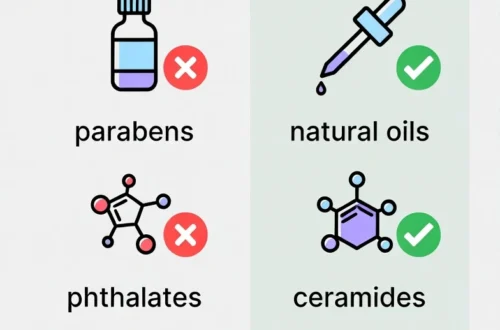
The shift toward natural skincare isn’t just a trend — it’s a response to decades of synthetic overload. Many conventional moisturizers contain parabens, synthetic fragrances, silicones, and petroleum derivatives that can irritate sensitive skin, disrupt hormones, or simply sit on top of the skin without actually nourishing it.
Natural moisturizers, on the other hand, work with your skin’s biology. Ingredients like shea butter, jojoba oil, and hyaluronic acid (yes, it occurs naturally!) mimic the skin’s own lipid structure, helping to reinforce the moisture barrier rather than just masking dryness.
Think of it this way: conventional moisturizers are like putting a raincoat over a leaky pipe. Natural moisturizers are more like fixing the pipe itself.
Beyond skin health, there’s the environmental angle. Many natural formulas use sustainably sourced, biodegradable ingredients — which is a win for your skin and the planet.
Key Ingredients to Look for in a Natural Moisturizer
Not all “natural” labels are created equal. The term isn’t regulated, which means you’ll want to know your ingredients. Here are the heavy hitters that actually deliver results:
Hyaluronic Acid
Naturally found in the body, hyaluronic acid is a humectant superstar — it can hold up to 1,000 times its weight in water. It draws moisture from the environment into your skin, making it especially powerful if you’re dealing with dryness. If you’re looking for the best moisturizer for dehydrated skin, this ingredient is non-negotiable.
Shea Butter
Rich in fatty acids and vitamins A, E, and F, shea butter is one of nature’s most nourishing emollients. It softens, seals in moisture, and has natural anti-inflammatory properties. It’s thick and luxurious — perfect for dry or mature skin.
Jojoba Oil
Technically a liquid wax rather than an oil, jojoba is chemically similar to the skin’s own sebum. This makes it incredibly well-tolerated by almost all skin types. It absorbs quickly without clogging pores, making it one of the most versatile natural moisturizing ingredients available.
Aloe Vera
Soothing, cooling, and hydrating — aloe vera is a classic for good reason. It’s packed with polysaccharides that help the skin retain moisture, and its anti-inflammatory properties make it ideal for sensitive or reactive skin.
Rosehip Seed Oil
This powerhouse oil is rich in vitamin C, vitamin A (as beta-carotene), and essential fatty acids. It’s particularly loved for brightening uneven tone and supporting skin regeneration. If you’re working toward a more even complexion, pairing a natural moisturizer with rosehip oil can make a noticeable difference — much like what you’d find in the best moisturizer for uneven skin tone.
Niacinamide
While often associated with serums, niacinamide is increasingly found in natural moisturizers. It strengthens the skin barrier, reduces redness, and helps fade discoloration. It’s a multi-tasker that works beautifully alongside other natural ingredients.
How to Choose the Right Natural Moisturizer for Your Skin Type
Here’s where things get personal. The “best” natural moisturizer is always going to depend on your skin — its type, its concerns, and even the season you’re in. Let’s break it down.
For Dry or Very Dry Skin
You need rich, occlusive ingredients like shea butter, cocoa butter, and plant-based oils. Look for creams or balms rather than lightweight lotions. Layering a facial oil underneath your moisturizer can also boost hydration significantly.
For Oily or Acne-Prone Skin
Lightweight, non-comedogenic options are your best friend. Jojoba oil, aloe vera gel, and niacinamide-based formulas work well without adding excess shine. Gel moisturizers with natural humectants are often a great fit.
For Combination Skin
Balance is key. A medium-weight moisturizer with balancing ingredients like green tea extract or bakuchiol can hydrate dry areas without overwhelming the T-zone. The good news is that natural moisturizers tend to be more adaptable — many work beautifully as the best moisturizer for all skin types thanks to their gentle, skin-compatible formulas.
For Sensitive or Reactive Skin
Fragrance-free, minimal-ingredient formulas are safest. Look for calming botanicals like chamomile, calendula, and oat extract. Avoid essential oils if your skin is highly reactive — even natural fragrances can trigger flare-ups.
For Mature or Sun-Damaged Skin
Antioxidant-rich formulas with ingredients like vitamin C, vitamin E, and coenzyme Q10 help combat oxidative damage and support collagen production. If sun damage is a concern, you’ll want to explore options similar to the best moisturizer for sun damaged skin — focusing on repair, renewal, and protection.

Best Products for Natural Skin Moisturizer
Now for the part you’ve been waiting for — the actual product recommendations. These are real, widely available formulas that have earned their place in the natural beauty world.
-
1. Weleda Skin Food Original Ultra-Rich Cream
Brand: Weleda
Key Ingredients: Sunflower seed oil, sweet almond oil, rosemary extract, chamomile extract
Why It Works: A cult classic for a reason. Weleda Skin Food is intensely nourishing and made with certified natural ingredients. It’s ideal for dry to very dry skin, and its botanical blend soothes while deeply moisturizing. Free from synthetic fragrances and parabens.
-
2. Tata Harper Hyaluronic Acid Moisturizer
Brand: Tata Harper
Key Ingredients: Hyaluronic acid, white tea extract, avocado oil, aloe vera
Why It Works: Formulated entirely on a farm in Vermont, this luxury natural moisturizer delivers serious hydration through multiple molecular weights of hyaluronic acid. It’s lightweight enough for daily use and works brilliantly for achieving that coveted dewy finish — think of it as a companion to the best moisturizer for dewy skin aesthetic.
-
3. Burt’s Bees Sensitive Daily Moisturizing Cream
Brand: Burt’s Bees
Key Ingredients: Cotton extract, aloe vera, rice bran oil
Why It Works: Affordable, accessible, and genuinely gentle. This fragrance-free formula is 98.9% natural and dermatologist-tested for sensitive skin. It provides reliable daily hydration without any of the irritants commonly found in conventional moisturizers.
-
4. Osea Undaria Algae Body Oil
Brand: OSEA Malibu
Key Ingredients: Undaria algae, sea buckthorn oil, jojoba oil, vitamin E
Why It Works: This seaweed-powered formula is a dream for anyone who loves a natural, oil-based moisturizer. The algae extract is packed with minerals and amino acids that hydrate deeply, while sea buckthorn adds a glow-boosting punch. Great for body and face alike.
-
5. True Botanicals Pure Radiance Oil
Brand: True Botanicals
Key Ingredients: Rosehip oil, sea buckthorn, vitamin C, chia seed oil
Why It Works: Clinically tested and MADE SAFE certified, this facial oil moisturizer is a powerhouse for brightening and nourishing. Its antioxidant-rich formula makes it particularly effective for those dealing with dullness or environmental damage. It’s also a fantastic option to explore alongside the best moisturizer for milia prone skin, as its non-comedogenic oils are less likely to contribute to clogged pores.
Tips for Getting the Most Out of Your Natural Moisturizer
Even the best natural skin moisturizer won’t perform at its peak if you’re not applying it correctly. Here are some pro tips to maximize your results:
Apply to Damp Skin
This is one of the most underrated skincare tips out there. Applying moisturizer to slightly damp skin (right after cleansing or spritzing with a toner) helps lock in that extra layer of water. Humectant ingredients like hyaluronic acid work especially well this way.
Layer Lightest to Heaviest
If you’re using multiple products, always go from thinnest to thickest. Serums first, then moisturizer, then facial oil if you use one. This ensures each layer can absorb properly.
Don’t Skip Your Neck and Décolletage
These areas are often neglected but show signs of aging just as quickly as the face. Extend your moisturizer application downward as part of your daily ritual.
Be Consistent
Natural skincare often requires a little more patience than synthetic alternatives. Give a new moisturizer at least 4–6 weeks before judging its effectiveness. Skin cell turnover takes time, and real results come with consistent use.
Consider Your Unique Health Needs
If you have an autoimmune condition or a chronic skin condition, ingredient selection becomes even more important. Those managing inflammatory skin issues may find helpful guidance in resources like the best moisturizer for lupus skin, which highlights gentle, non-reactive formulas suited to sensitive immune-related concerns.
Natural Moisturizer Myths — Busted
Before we wrap up, let’s clear the air on a few common misconceptions:
Myth 1: “Natural means it’s safe for everyone.”
Not quite. Poison ivy is natural. Essential oils can cause reactions. Always patch test a new product, especially if your skin is sensitive or reactive.
Myth 2: “If it’s natural, it won’t last as long on the shelf.”
While it’s true that natural preservatives are generally milder, many natural brands use effective preservation systems (like vitamin E and rosemary extract) that keep products stable for 12–24 months.
Myth 3: “You need a separate moisturizer for every skin concern.”
Not necessarily. A well-formulated natural moisturizer with a thoughtful ingredient list can address multiple concerns at once. The key is knowing what your skin actually needs and choosing accordingly.
Frequently Asked Questions
What is the best natural ingredient for moisturizing skin?
Hyaluronic acid, shea butter, and jojoba oil are consistently among the top performers. Each works differently — hyaluronic acid hydrates, shea butter seals, and jojoba oil balances — so the “best” depends on your skin type and concern.
Can natural moisturizers work for oily skin?
Absolutely. Lightweight options like aloe vera gel, niacinamide-based formulas, or jojoba oil-based moisturizers hydrate without clogging pores or increasing shine.
How do I know if a moisturizer is truly natural?
Look for certifications like MADE SAFE, COSMOS Natural, or USDA Organic. Read the ingredient list — if you can’t pronounce most of it, it’s probably not very natural. Avoid products with synthetic fragrance (listed as “parfum”), parabens, or PEGs.
Is natural moisturizer better than conventional moisturizer?
For many people, yes — especially those with sensitive, reactive, or condition-prone skin. Natural moisturizers tend to work with the skin’s biology rather than against it. However, “better” is always relative to your individual skin needs.
How often should I apply a natural moisturizer?
Twice daily is the general recommendation — once in the morning and once at night. Some people with very dry skin may benefit from a midday application as well.
Can I use a natural moisturizer if I have milia?
Yes, but ingredient selection matters. Avoid heavy waxes and certain plant butters that can block pores. Lightweight, non-comedogenic oils and gel-based formulas are generally safer choices for milia-prone skin.
Conclusion
Choosing the best natural skin moisturizer is one of the most impactful decisions you can make for your skin’s long-term health. When you choose ingredients that work in harmony with your skin’s own biology — rather than fighting against it — the results speak for themselves: softer texture, more even tone, better resilience, and that quiet, healthy glow that no highlighter can replicate.
Whether you’re just starting your natural skincare journey or you’re ready to upgrade your current routine, the key is to stay curious, read your labels, and listen to your skin. It’s always telling you something.
Ready to go deeper? Explore more expert guides on best moisturizer for dehydrated skin and best moisturizer for all skin types to keep building your perfect natural skincare routine. Your skin will thank you.