I remember the first time I skipped moisturizer entirely because I thought it was making my acne worse. Spoiler: it wasn’t helping. My skin got drier, more irritated, and somehow — more oily. That’s because dehydrated skin overcompensates by producing even more sebum. Skipping moisturizer is almost never the answer.
The good news? There absolutely are moisturizers out there that hydrate your skin beautifully without clogging pores or triggering breakouts. You just need to know what to look for. Let’s break it all down.
Why Acne Prone Skin Still Needs Moisturizer
This is probably the biggest misconception in skincare: that moisturizer causes acne. In reality, skipping hydration is one of the worst things you can do for acne prone skin. Here’s why.
When your skin barrier is compromised — which happens when it’s dehydrated — it becomes more vulnerable to bacteria, pollution, and irritants. These are the very things that trigger breakouts. A well-moisturized skin barrier is actually your first line of defense against acne-causing bacteria.
Think of your skin barrier like a brick wall. When it’s properly hydrated and healthy, the bricks are tightly packed and nothing gets through. When it’s dry and damaged, there are gaps everywhere, and all sorts of trouble can sneak in.
Additionally, many acne treatments — like benzoyl peroxide, salicylic acid, and retinoids — are notoriously drying. Without a good moisturizer to counteract that dryness, your skin can become so irritated that you have to stop using those treatments altogether. Moisturizer keeps your treatment routine sustainable.
What to Look For in a Moisturizer for Acne Prone Skin
Key Ingredients That Work
Not all moisturizing ingredients are created equal when it comes to acne prone skin. Here are the heroes you want to see on that label:
- Niacinamide – A multi-tasking powerhouse that reduces inflammation, minimizes pores, and regulates sebum production. It’s practically made for acne prone skin.
- Hyaluronic Acid – A lightweight humectant that draws moisture into the skin without adding any oil. Perfect for all skin types.
- Ceramides – These lipids restore and strengthen the skin barrier, reducing sensitivity and redness.
- Zinc – Known for its antibacterial and anti-inflammatory properties, zinc helps calm active breakouts.
- Aloe Vera – Soothing, hydrating, and gentle enough for even the most reactive skin.
- Salicylic Acid (low concentration) – Some moisturizers include a low dose to gently exfoliate pores while hydrating.
Ingredients to Avoid
Just as important as knowing what to look for is knowing what to avoid. Watch out for these common pore-cloggers:
- Coconut oil
- Isopropyl myristate
- Heavy mineral oils
- Artificial fragrances and dyes
- Lanolin (for some skin types)
The term “non-comedogenic” on the label is a good sign, though it’s not a regulatory guarantee. Always patch test new products, especially if your skin is reactive.
Choosing the Right Formula for Your Skin Type
Acne prone skin isn’t one-size-fits-all. Your specific skin type within the acne prone category matters enormously when choosing a moisturizer.
Dry and Acne Prone Skin
If your skin feels tight, flaky, or rough even when you’re breaking out, you likely have dry acne prone skin. This combination can be tricky because you need real moisture without heaviness. Look for richer creams that still use non-comedogenic ingredients. A moisturizer for dry acne prone skin typically contains ceramides, hyaluronic acid, and gentle emollients that hydrate deeply without blocking pores.
Oily and Acne Prone Skin
Shiny skin by noon? Large visible pores? You’re dealing with oily acne prone skin, and your moisturizer needs to be feather-light. Gel-based or water-based formulas are your best friend here. A good moisturizer for oily skin and acne-prone skin will hydrate without adding shine, often using mattifying agents like silica or kaolin clay alongside humectants.
Combination Skin
The T-zone is oily, the cheeks are dry — combination skin is its own unique challenge. You might even consider using different moisturizers on different zones, or look for a lightweight, balanced formula that works across the board. A moisturizer for all skin types with a balanced, non-comedogenic formula can be a great starting point for combination skin.
The Case for Oil-Free Formulas
Many dermatologists recommend starting with an oil free moisturizer for acne prone skin as a baseline, especially if you’re unsure of your skin type or prone to clogged pores. Oil-free doesn’t mean moisture-free — these formulas use water-based hydrating agents that keep skin plump and comfortable without the risk of pore congestion.
Best Products for Moisturizer for Acne Prone Skin
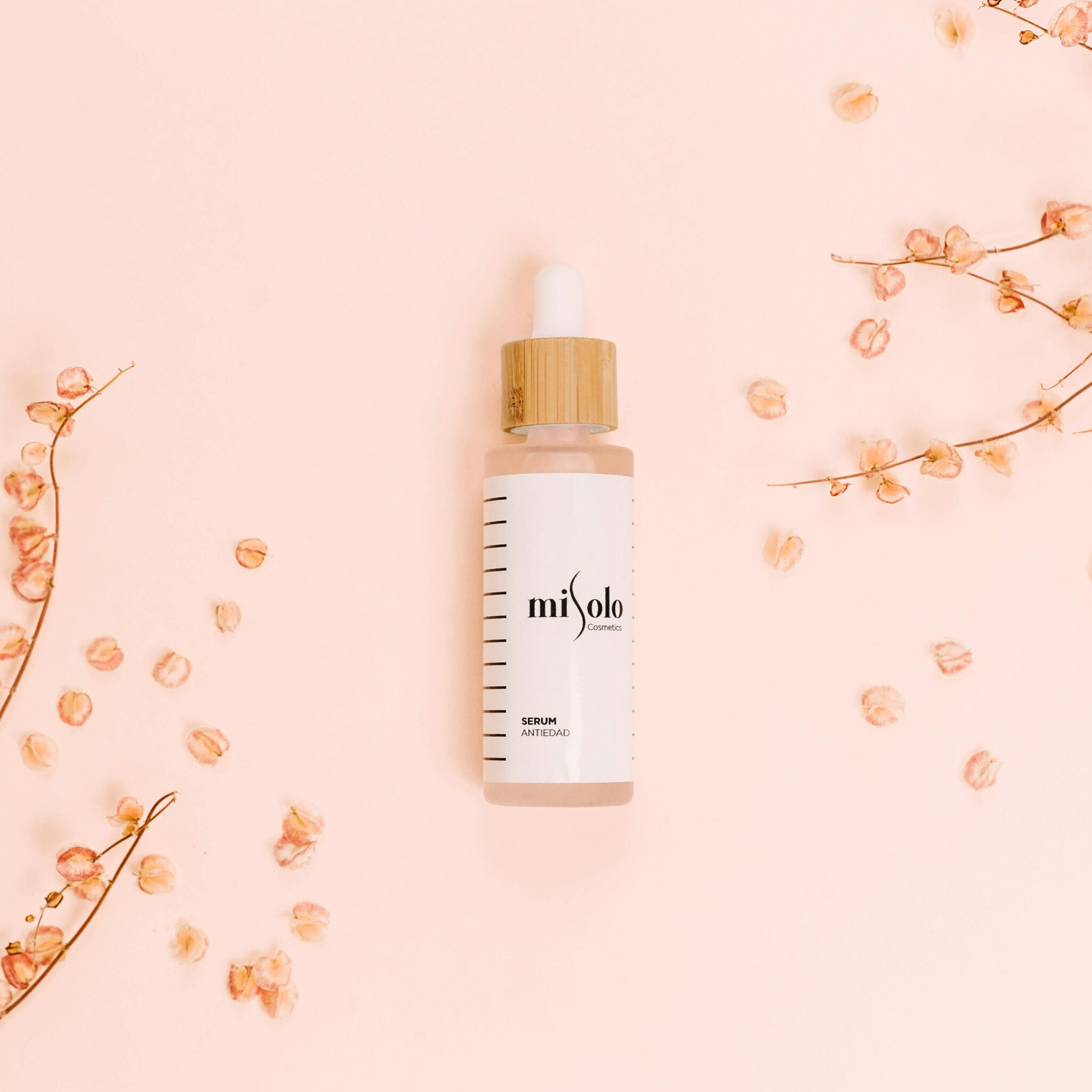
Alright, let’s get to the good stuff. After researching ingredients, reading dermatologist recommendations, and reviewing real user experiences, here are five standout moisturizers that genuinely work for acne prone skin.
| Product | Brand | Key Ingredients | Why It Works |
|---|---|---|---|
| PM Therapy Facial Moisturizer | Paula’s Choice | Niacinamide, Ceramides, Hyaluronic Acid | Lightweight, fragrance-free, and clinically proven non-comedogenic. Strengthens the skin barrier while keeping pores clear. |
| Moisturizing Lotion with Ceramides | CeraVe | Ceramides 1, 3 & 6-II, Hyaluronic Acid, Niacinamide | Dermatologist-developed and incredibly affordable. The lotion version is lighter than the cream, making it ideal for acne prone skin. |
| Hydro Boost Water Gel | Neutrogena | Hyaluronic Acid, Dimethicone | A cult-favorite gel-cream that delivers intense hydration with a weightless, non-greasy finish. Great for oily and combination skin. |
| Ultra-Light Daily UV Defense Aqua Gel SPF 50 | Kiehl’s | Niacinamide, SPF 50, Hyaluronic Acid | A 2-in-1 moisturizer and sunscreen that’s completely oil-free. SPF is non-negotiable for acne prone skin, especially on active treatments. |
| Clear Screen Invisible Daily Moisturizer SPF 30 | Elta MD | Zinc Oxide, Niacinamide, Hyaluronic Acid | Zinc oxide provides both UV protection and antibacterial benefits. Beloved by dermatologists for sensitive and acne prone skin. |
How to Apply Moisturizer Correctly for Acne Prone Skin
Believe it or not, how you apply your moisturizer matters almost as much as which one you choose. Here are some tips to get the most out of your product:
Apply to Damp Skin
After cleansing, pat your skin until it’s about 70% dry — still slightly damp — and then apply your moisturizer. This helps lock in that extra moisture and boosts the effectiveness of humectants like hyaluronic acid.
Use Gentle, Upward Motions
Avoid dragging or pulling at your skin. Use light, upward strokes to apply the product and let it absorb fully before layering anything else on top.
Don’t Skip Sunscreen
If your moisturizer doesn’t have SPF, always follow with a sunscreen. UV exposure worsens post-acne marks (hyperpigmentation) and can trigger inflammation. Many people with acne prone skin find combination moisturizer-SPF products the most convenient option — one less step, one less product to potentially irritate skin.
Timing Is Everything
If you’re using active treatments like retinol or benzoyl peroxide, apply your moisturizer either before (as a buffer) or after (to soothe) depending on your skin’s sensitivity level. Talk to your dermatologist about the best layering order for your specific routine.
Building a Simple Routine Around Your Moisturizer
Your moisturizer doesn’t work in isolation — it’s part of a bigger picture. Here’s a simple, effective routine framework for acne prone skin:
Morning Routine
- Gentle, non-stripping cleanser
- Toner or essence (optional, alcohol-free)
- Lightweight serum (niacinamide or hyaluronic acid)
- Moisturizer (non-comedogenic)
- SPF 30 or higher
Evening Routine
- Double cleanse if you’ve worn SPF or makeup
- Exfoliating toner or treatment (BHA, retinoid, etc.)
- Spot treatment if needed
- Moisturizer
Keep it simple. More products don’t equal better results — especially with acne prone skin, which can react to overload. The goal is a routine you can actually stick to consistently.
Common Mistakes to Avoid
Even with the best moisturizer in your cabinet, a few common habits can undermine your efforts:
- Using too much product – A pea-sized to dime-sized amount is usually enough for the whole face. More isn’t better.
- Switching products too often – Give any new moisturizer at least 4–6 weeks before judging results. Skin needs time to adjust.
- Ignoring your neck and chest – These areas can also be acne prone and benefit from the same care.
- Applying over unwashed skin – Always cleanse before moisturizing. Applying product over dirt, oil, and SPF from the day before is a recipe for clogged pores.
- Choosing based on price alone – Some of the best moisturizers for acne prone skin are extremely affordable (hello, CeraVe). Price doesn’t equal quality.
Frequently Asked Questions
Can moisturizer make acne worse?
It can — but only if you’re using the wrong formula. A comedogenic moisturizer with pore-clogging ingredients can trigger breakouts. Stick to non-comedogenic, fragrance-free formulas and you dramatically reduce that risk.
How often should I moisturize acne prone skin?
Twice daily — morning and evening — is the standard recommendation. Consistency is key for maintaining a healthy, balanced skin barrier.
Is gel moisturizer better than cream for acne?
Generally, yes — especially for oily or combination skin. Gel formulas are water-based, absorb quickly, and don’t leave a greasy residue. However, if you have dry acne prone skin, you may need something slightly richer than a basic gel.
Can I use the same moisturizer in the morning and at night?
Absolutely. Many people use the same moisturizer day and night, simply adding SPF in the morning. If you want to get more advanced, a slightly richer formula at night can support skin repair while you sleep.
Should I moisturize if I have active breakouts?
Yes, especially if you’re using any drying acne treatments. Skipping moisturizer when you have active breakouts can worsen inflammation and slow healing. Look for calming ingredients like aloe vera, centella asiatica, or niacinamide.
What’s the difference between an oil-free and non-comedogenic moisturizer?
Oil-free means the formula contains no oils. Non-comedogenic means the formula is designed not to clog pores — but it can still contain some oils that are considered safe for acne prone skin. Both labels are positive signs, but non-comedogenic is the more important one to look for. For the most cautious approach, look for both on the label, or explore an oil free moisturizer for acne prone skin that’s also labeled non-comedogenic.
Conclusion: Find Your Perfect Match
The journey to finding the perfect moisturizer for acne prone skin is deeply personal. What works brilliantly for your best friend might do nothing for you — or worse, cause a flare-up. But armed with the right knowledge about ingredients, formulas, and application techniques, you’re so much better equipped to make a smart choice.
Start with the fundamentals: non-comedogenic, fragrance-free, and appropriate for your specific skin type. Whether you’re navigating the challenges of moisturizer for oily skin and acne-prone skin or searching for something that works across the board like a moisturizer for all skin types, there’s a formula out there that will feel like it was made just for your skin.
Don’t give up. Your skin deserves hydration. And with the right moisturizer, you can have both — clear skin and a healthy, comfortable glow.
Ready to take the next step? Browse more expert skincare guides on tips4skin.com and find the routine that works for your unique skin needs. Your best skin is closer than you think.