I’ll be upfront: I went through a phase a few years back where every moisturizer I tried left my skin feeling greasy, congested, or weirdly tight after it dried down. I started exploring alternatives — and honestly? My skin has never looked better. This guide is everything I wish I’d had back then.
Why Skin Loses Hydration in the First Place
Before we dive into solutions, it helps to understand the problem. Skin hydration isn’t just about what you put on your face — it’s about how well your skin holds onto water at a cellular level. Your skin’s natural moisture barrier, made up of lipids, proteins, and natural moisturizing factors (NMFs), acts like a seal that keeps water in and irritants out.
When that barrier is compromised — through over-cleansing, harsh ingredients, environmental stress, or even genetics — water evaporates faster than your skin can replenish it. This is called transepidermal water loss (TEWL), and it’s the root cause of most dry, flaky, or dull-looking skin.
Understanding this helps explain why the tips below work: they target hydration at the source, not just the surface.
12 Ways to Hydrate Skin Without Moisturizer
1. Switch to a Hydrating Serum
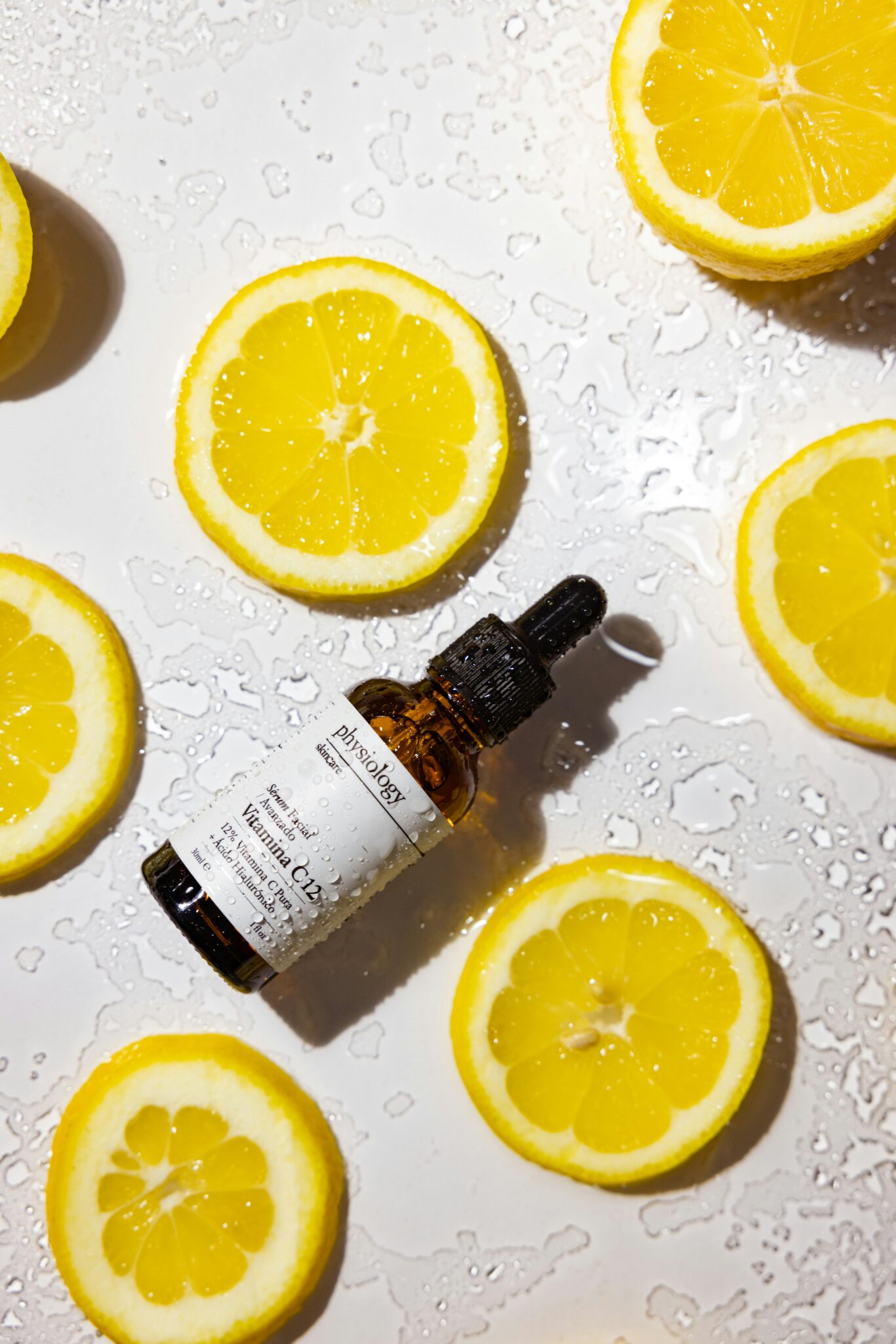
Serums are the unsung heroes of skincare hydration. Unlike moisturizers, which often sit on top of the skin, serums are formulated with smaller molecules that penetrate deeper into the epidermis. A hyaluronic acid serum, for example, can hold up to 1,000 times its weight in water — drawing moisture from the air and locking it into your skin cells.
Apply your serum to slightly damp skin immediately after cleansing for maximum absorption. If you’ve ever wondered why does my skin not absorb moisturizer, switching to a serum first (or instead) can make a dramatic difference in how well your skin drinks up hydration.
2. Use a Facial Mist Throughout the Day
Think of a facial mist as a hydration top-up between your morning routine and bedtime. Mists containing ingredients like rose water, aloe vera, glycerin, or thermal spring water deliver a quick burst of moisture and help calm any mid-day tightness or dullness. Keep one at your desk and spritz whenever your skin feels parched.
Pro tip: mist, then gently press the water into your skin with clean palms rather than letting it air-dry. Air-drying can actually pull moisture out of your skin as the water evaporates.
3. Apply Aloe Vera Gel
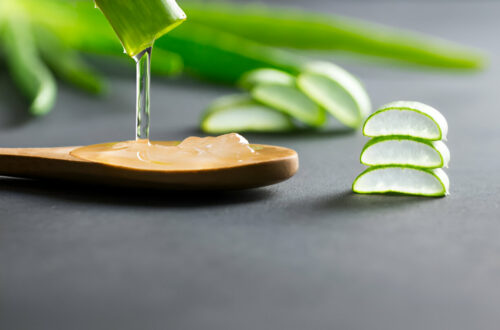
Aloe vera is one of nature’s most effective humectants — meaning it attracts and binds water to the skin. Pure aloe vera gel (look for 99–100% concentration) is lightweight, non-comedogenic, and packed with polysaccharides that help reinforce the skin barrier. It’s a brilliant option if heavier creams feel suffocating on your skin.
Use it as a standalone treatment after cleansing, or layer it under a lightweight sunscreen in the morning. Your skin will feel cool, calm, and genuinely hydrated.
4. Incorporate Facial Oils (Yes, Really)
Oils don’t hydrate skin the same way water-based products do — but they do something equally important: they seal moisture in. Oils like squalane, rosehip, jojoba, and marula mimic the skin’s own sebum, filling in gaps in the lipid barrier and preventing water from escaping.
A few drops of squalane oil pressed into damp skin after your serum can replace the occlusive function of a traditional moisturizer beautifully — without the heavy, cream-based texture that some people find clogging.
5. Drink More Water (But Strategically)
Yes, we’ve all heard “drink more water” until we’re tired of it. But here’s the nuance that most people miss: it’s not just how much you drink, it’s how consistently you stay hydrated throughout the day. Guzzling a liter of water before bed won’t compensate for eight hours of mild dehydration during your workday.
Aim for steady, consistent sipping — and consider adding electrolytes (like a pinch of sea salt or a slice of lemon) to your water. Electrolytes help your cells actually absorb and retain the water you’re drinking, making hydration far more effective at a systemic level.
6. Eat Water-Rich Foods
Your diet is one of the most underrated tools for skin hydration. Foods like cucumber, watermelon, celery, strawberries, and leafy greens are 90–96% water by weight. They also deliver vitamins, antioxidants, and minerals that support the skin barrier from the inside out.
Omega-3 fatty acids — found in salmon, walnuts, flaxseeds, and chia seeds — are particularly powerful. They help build the lipid layer of your skin barrier, reducing TEWL and keeping skin plump and supple even without topical products.
7. Optimize Your Cleansing Routine
One of the fastest ways to dehydrate your skin is by over-cleansing or using a harsh, stripping face wash. Foaming cleansers with sulfates can disrupt your skin’s natural pH and lipid barrier, leaving it vulnerable to moisture loss before you’ve even started your hydration routine.
Switch to a gentle, cream or gel cleanser with a pH between 4.5 and 5.5. Cleanse only once a day (in the evening) if your skin tends to run dry, and simply rinse with lukewarm water in the morning. You’ll be amazed at how much more hydrated your skin feels with this one change alone.
8. Try Slugging with Petroleum Jelly or Squalane
“Slugging” — the TikTok-famous technique of applying a thin layer of petroleum jelly or a similar occlusive as the final step in your nighttime routine — is surprisingly effective for sealing in whatever hydration you’ve already layered on. It acts as a physical barrier against TEWL while you sleep.
If petroleum jelly feels too heavy, pure squalane oil or even a thin layer of shea butter works beautifully. Wake up to noticeably softer, plumper skin without a traditional moisturizer in sight.
9. Use a Humidifier
Your environment plays a huge role in your skin’s hydration levels. Indoor heating and air conditioning both strip moisture from the air — and from your skin. A cool-mist humidifier in your bedroom (especially while you sleep) can add significant moisture back into the air, reducing overnight TEWL and helping your skin wake up looking refreshed.
Aim for an indoor humidity level between 40–60% for optimal skin comfort. This is a passive, effortless hydration hack that works while you do absolutely nothing.
10. Apply Hyaluronic Acid to Damp Skin
This is one of those tips that sounds minor but makes an enormous difference. Hyaluronic acid (HA) is a humectant — it pulls moisture toward itself. If you apply it to dry skin in a dry environment, it can actually pull moisture out of your skin rather than adding to it. Always apply HA serums to skin that’s still slightly damp from cleansing or misting, then seal it in with an oil or let it absorb in a humid room.
11. Protect Your Skin Barrier with SPF
UV radiation is one of the leading causes of skin barrier damage, which directly leads to dehydration. A broad-spectrum SPF 30 or higher applied every morning protects the structural integrity of your skin, preserving its ability to retain moisture naturally. Many modern SPF formulas also contain hydrating ingredients like niacinamide, ceramides, and — yes — hyaluronic acid.
Think of SPF not just as sun protection, but as your skin’s hydration insurance policy.
12. Get Enough Sleep
During deep sleep, your body increases blood flow to the skin and ramps up collagen production and cellular repair. Skin’s permeability also changes overnight — it becomes slightly more permeable, allowing any hydrating ingredients you’ve applied to absorb more effectively. Chronic sleep deprivation, on the other hand, elevates cortisol levels, which breaks down the skin barrier and accelerates moisture loss.
Seven to nine hours of quality sleep is one of the most powerful (and free) skincare tools available to you.
Best Products for Hydrating Skin Without Moisturizer
If you’re going the moisturizer-free route, these are the products worth investing in:
- 1. The Ordinary Hyaluronic Acid 2% + B5
Brand: The Ordinary
Key Ingredients: Hyaluronic acid (multiple molecular weights), Vitamin B5 (panthenol)
Why It Works: Multi-weight HA penetrates different layers of the skin for comprehensive hydration. Panthenol soothes and helps repair the skin barrier. Lightweight, fragrance-free, and affordable — ideal as a standalone hydrator on damp skin. - 2. Biossance 100% Squalane Oil
Brand: Biossance
Key Ingredients: 100% sugarcane-derived squalane
Why It Works: Pure squalane mimics the skin’s natural sebum, sealing in moisture without clogging pores. Non-comedogenic and suitable for all skin types. Perfect as the final step to replace the occlusive function of a traditional moisturizer. - 3. Avène Thermal Spring Water Spray
Brand: Avène
Key Ingredients: Avène thermal spring water, trace minerals, silica
Why It Works: Clinically studied thermal water with anti-irritant and softening properties. Delivers instant hydration and can be used throughout the day as a refreshing mist. Great for sensitive or reactive skin types. - 4. Laneige Water Bank Blue Hyaluronic Serum
Brand: Laneige
Key Ingredients: Blue hyaluronic acid, hydro ionized mineral water, bamboo extract
Why It Works: A next-generation hydrating serum that delivers both surface and deep-layer moisture. The blue HA complex is particularly effective at strengthening the moisture barrier — making it an excellent stand-alone hydrator for those skipping traditional creams. - 5. Aloe Pura Organic Aloe Vera Gel
Brand: Aloe Pura
Key Ingredients: 99.5% organic aloe vera, vitamin E
Why It Works: One of the purest aloe vera gels available commercially. Instantly soothes, hydrates, and supports barrier repair. Fragrance-free, non-comedogenic, and versatile enough to use on face and body as a lightweight moisturizer alternative.
What to Know Before Going Moisturizer-Free
Going moisturizer-free works brilliantly for some skin types and can be genuinely tricky for others. If you have very dry or eczema-prone skin, you may still need some form of occlusive to prevent TEWL — even if it’s just a few drops of oil rather than a traditional cream.
It’s also worth understanding what does moisturizer do for skin before cutting it out entirely — knowing its actual role helps you replicate those functions with alternative products more intelligently.
And if you’ve been experiencing irritation from your current products, it’s worth checking whether why does my skin burn after applying moisturizer — sometimes the issue is a specific ingredient, not moisturizer as a category.
Similarly, if you’ve noticed your skin looking patchy after application, learning about why does my skin flake when i put moisturizer on can help you troubleshoot whether the issue is product-related or a deeper barrier concern.
Frequently Asked Questions
Can skin be hydrated without moisturizer long-term?
Yes, absolutely. Many people with oily or combination skin thrive long-term without traditional moisturizers by using hydrating serums, facial oils, and lifestyle practices like consistent water intake and humidifier use. The key is ensuring your skin barrier stays intact and TEWL remains low.
Is it bad to skip moisturizer every day?
Not necessarily. Some dermatologists actually recommend that people with naturally oily skin skip heavy moisturizers and opt for lightweight serums or oils instead. However, if you have dry or sensitive skin, skipping all forms of hydration support can compromise your barrier over time. Some people have also wondered does moisturizer age your skin — and the evidence suggests that consistent hydration, in whatever form, actually helps preserve a youthful appearance.
What’s the best natural alternative to moisturizer?
Pure aloe vera gel, squalane oil, and rosehip seed oil are among the most effective natural alternatives. They hydrate, nourish, and support the skin barrier without the synthetic emollients or fragrances found in many commercial moisturizers.
Does drinking water really improve skin hydration?
Drinking water supports overall cellular hydration, but it’s not a direct substitute for topical hydration. Think of internal hydration and external hydration as complementary — both matter, and neither alone is sufficient for visibly plump, dewy skin.
Can I use a tinted product instead of moisturizer?
If you like light coverage, a hydrating tinted product could be a good option — though it’s worth checking whether is tinted moisturizer bad for your skin before making it a daily staple, especially if you have acne-prone or sensitive skin.
Conclusion: Hydrated Skin Is Possible — Moisturizer Optional
Here’s the bottom line: moisturizer is a tool, not a requirement. Your skin’s hydration depends on a whole ecosystem of factors — the products you use, the food you eat, the air you breathe, and the habits you maintain. By layering hydrating serums, protecting your skin barrier with SPF, incorporating water-rich foods, and using a facial oil to seal everything in, you can absolutely achieve soft, plump, dewy skin without a traditional moisturizer in your routine.
Start with one or two changes — maybe swap your cleanser and add a hyaluronic acid serum — and give your skin two to four weeks to respond. Skin is adaptable and resilient. Give it the right building blocks, and it’ll take care of the rest.
Ready to build a smarter skincare routine? Explore more expert tips and honest guides at tips4skin.com — your go-to resource for real skincare advice that actually works.