Picture this: you’ve just picked up your first hyaluronic acid serum, the instructions say almost nothing, and you’re staring at a tiny bottle wondering whether you’re supposed to use it morning, night, before your moisturizer, or instead of it. If that describes you right now, you’re in exactly the right place. The hyaluronic acid benefits for skin are genuinely impressive — but only when you understand what the ingredient actually does and how to work with it, not against it.
This guide is written for beginners. No jargon overload, no assumption that you already know your actives from your occlusives. Just a clear, honest walkthrough of what hyaluronic acid (HA) is, why dermatologists and estheticians reach for it constantly, and how you can build it into your routine starting tonight.
What Exactly Is Hyaluronic Acid?
Hyaluronic acid is a humectant — an ingredient that pulls water molecules toward itself and holds them in place. Your body actually produces it naturally; it’s found in your joints, eyes, and skin. The version in your skincare products is either lab-synthesized or derived from fermentation, and it works by sitting in the upper layers of your skin and acting like a water-retention reservoir.
A good analogy: think of HA as thousands of tiny sponge-like cushions woven into the surface of your skin. Each one attracts water from both the environment around you and the deeper layers of your skin, keeping the surface plump, smooth, and resilient. When those cushions are full, your skin looks dewy and feels soft. When they’re depleted — from cold air, harsh cleansers, or just aging — your skin can look dull, feel tight, and show fine lines more clearly.
One thing beginners are often surprised to learn: despite the word “acid” in its name, hyaluronic acid is not an exfoliating acid. It won’t tingle, peel, or cause sensitivity the way AHAs or BHAs do. It’s one of the gentlest ingredients in skincare, which makes it a perfect starting point for anyone new to building a routine.
The Core Hyaluronic Acid Skin Benefits — Explained Simply
Here’s a concise snapshot for anyone who wants the quick answer first:
- Deep hydration: HA draws water into the skin’s surface layers, reducing the appearance of dryness and flakiness.
- Plumping effect: Well-hydrated skin cells expand slightly, making fine lines look softer and skin look fuller.
- Barrier support: Keeping the outer layers of skin hydrated helps your skin’s natural protective function stay intact.
- Soothing: HA has anti-inflammatory properties that can calm redness and irritation.
- Compatibility: It works alongside virtually every other skincare ingredient — retinol, vitamin C, niacinamide, exfoliating acids — without conflict.
For a deeper look at how hyaluronic acid moisturizes skin at a cellular level, that dedicated article goes much further into the science. Here, we’ll focus on the practical side: what each benefit means for your skin day to day, and how to actually get those results.
Step 1: Understanding What Your Skin Needs First
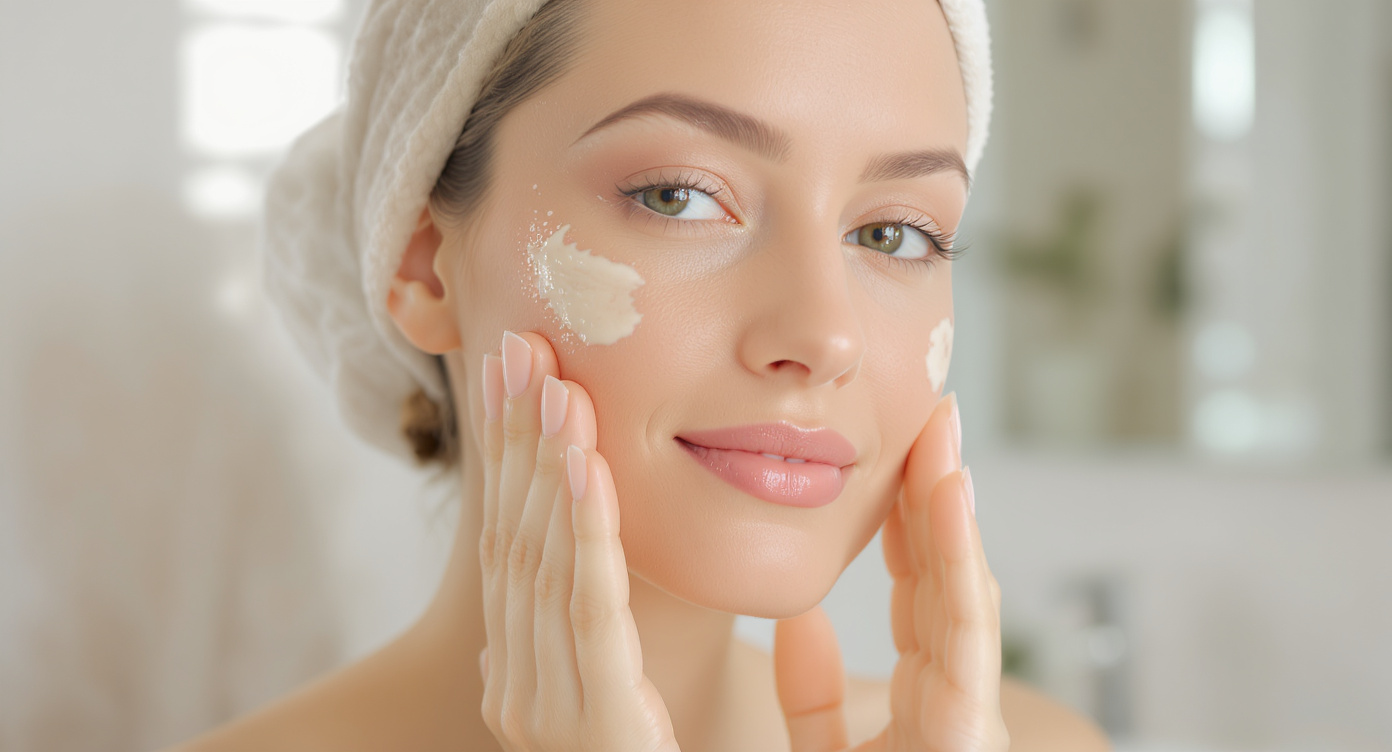
Before you even open the bottle, take a moment to think about your skin type and your current concerns. Hyaluronic acid is genuinely universal — it suits oily, dry, combination, sensitive, and mature skin — but the way you use it should match what your skin is dealing with.
- Dry or dehydrated skin: HA is a primary player for you. Layer it under a rich moisturizer to lock that water in.
- Oily or acne-prone skin: HA gives you hydration without adding oil or clogging pores. It can actually help reduce the overproduction of sebum (skin oil) that sometimes happens when skin is dehydrated.
- Sensitive or redness-prone skin: HA’s soothing properties make it one of the safest actives to introduce first.
- Mature skin: As we age, our natural HA levels drop significantly. Topical HA helps compensate, and when combined with the right moisturizer, it can visibly soften the look of fine lines. You can read more about whether hyaluronic acid tightens skin in our focused piece on that topic.
Are you dealing with dullness as well as dryness? That’s worth noting, because HA’s hydrating effect indirectly improves radiance — plumper, more hydrated cells reflect light better. There’s also emerging research into whether hyaluronic acid brightening effects go beyond simple hydration, which we explore in a separate article.
Step 2: Choosing the Right Hyaluronic Acid Product
Not all HA products are equal, and this is where beginners often get confused. The key variable is molecular weight — the size of the HA molecules in the formula.
- High molecular weight HA sits on the surface of your skin, forming a film that prevents water loss and gives an immediate plumping sensation. It’s great for surface-level hydration and a dewy finish.
- Low molecular weight HA is smaller and can penetrate deeper into the skin, delivering hydration to lower layers. It works more subtly but contributes to longer-lasting results.
- Multi-weight formulas combine both (and sometimes a third, medium weight) for a layered hydration effect. These tend to be the most effective overall.
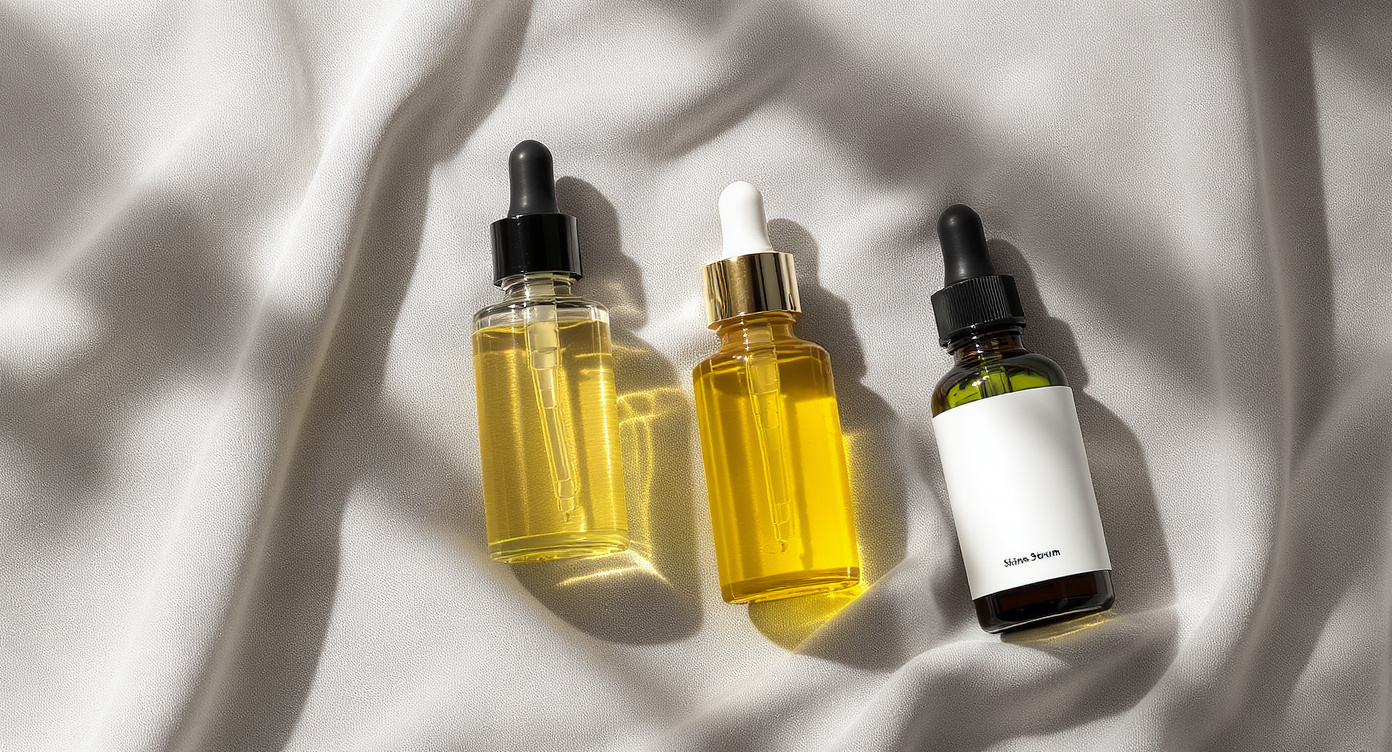
For beginners, look for a serum or essence that lists sodium hyaluronate (the salt form of HA, slightly smaller and very stable) or hyaluronic acid in its top ingredients. A serum format is typically the most efficient delivery method because the texture is lightweight and designed to absorb quickly.
Insider tip: Check the ingredient list for the word “hydrolyzed” in front of hyaluronic acid or sodium hyaluronate. Hydrolyzed versions have been broken into even smaller fragments, which means better penetration. If a budget serum contains hydrolyzed sodium hyaluronate, it can outperform a pricier product that only uses high-weight HA.
Step 3: Applying Hyaluronic Acid Correctly
This is the step most beginners get wrong — and it’s genuinely important. Hyaluronic acid needs moisture to work with. If you apply it to completely dry skin in a dry environment, it can actually pull water from the deeper layers of your skin upward and then lose it to the air around you, leaving your skin feeling tighter than before.
Here’s the correct approach, step by step:
- Cleanse your face with a gentle, non-stripping cleanser.
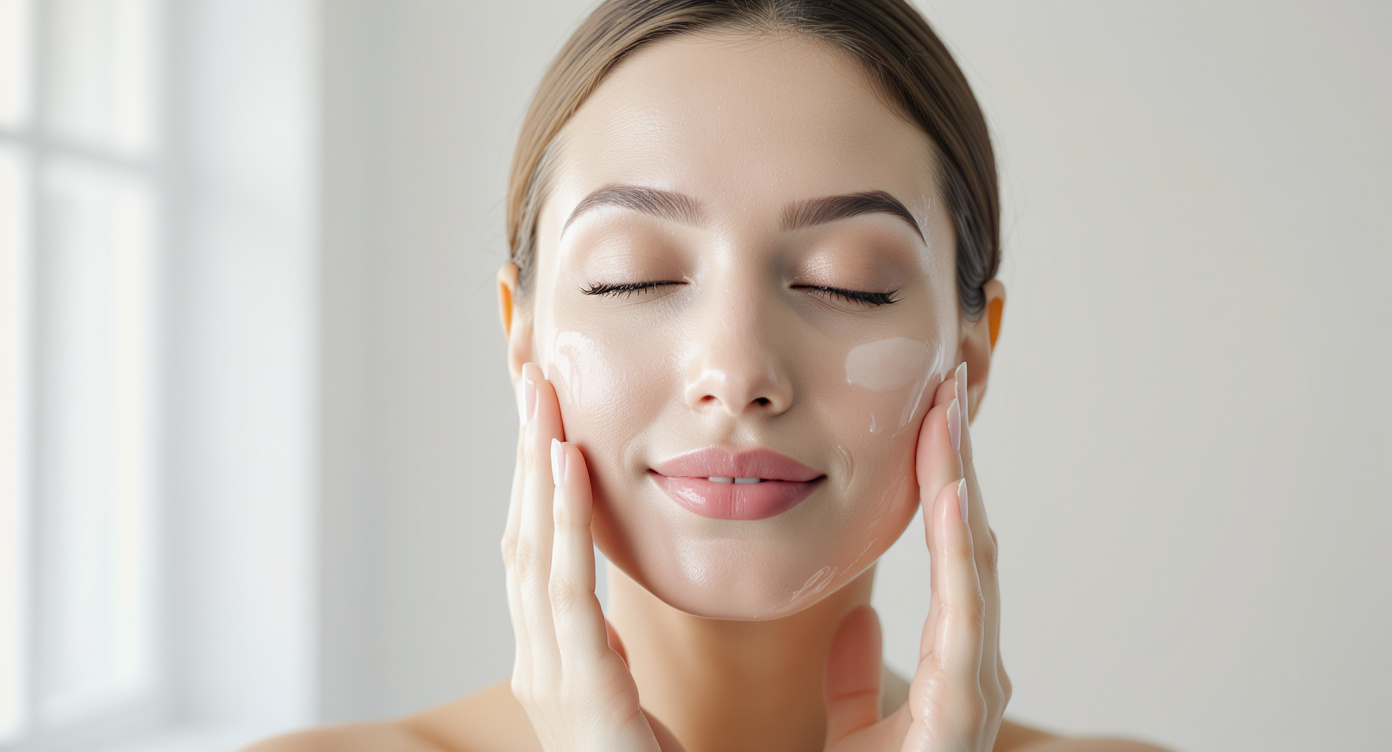
- Apply HA while your skin is still slightly damp — not soaking wet, but with a light residual moisture. Pat (don’t rub) 2-3 drops onto your face and neck.
- Follow immediately with a moisturizer to seal the water in. This is non-negotiable. The moisturizer acts as a lid, preventing the HA from drawing moisture back out through evaporation. A cream with ceramides (lipid molecules that reinforce the skin’s protective layer) or occlusives like shea butter works especially well.
- In the morning, finish with SPF. Sun damage degrades HA in the skin faster than almost anything else, so protecting your skin from UV exposure preserves your results.
You can use HA both morning and evening — there’s no reason to limit it to once a day. Many people find that consistent twice-daily use produces noticeably better results within two to four weeks.
Step 4: Pairing Hyaluronic Acid With Other Ingredients
One of the genuine strengths of HA is how well it plays with others. Here’s a beginner-friendly pairing guide:
- HA + Vitamin C: Apply vitamin C first (it’s an antioxidant that works best on clean skin), then layer HA over it. This combination addresses both dullness and dehydration simultaneously.
- HA + Retinol: Retinol can be drying and irritating, especially when you’re new to it. Applying HA before your retinol, or mixing a drop of HA serum with your retinol, significantly reduces the dryness and flaking that beginners often experience.
- HA + Niacinamide: This is one of the most beginner-friendly combinations in skincare. Both are gentle, both support the skin barrier, and they complement each other without any compatibility issues.
- HA + Exfoliating acids (AHA/BHA): Use your exfoliant first, wait a few minutes, then apply HA. The HA helps soothe any mild irritation and keeps skin hydrated after exfoliation.
For a broader look at how HA fits into a complete regimen, our guide to hyaluronic acid skin care routines covers morning and evening sequences in detail.
Honest Pros and Cons of Hyaluronic Acid
No ingredient is perfect for every person in every situation. Here’s a straightforward tradeoff list:
- ✅ Suitable for all skin types, including sensitive and acne-prone
- ✅ Non-comedogenic (won’t clog pores)
- ✅ Pairs with virtually everything in your routine
- ✅ Visible results relatively quickly — most people notice improved texture within 1-2 weeks
- ✅ Available at every price point — effective formulas exist under $15
- ❌ Can backfire in very dry climates if not sealed with a moisturizer
- ❌ Not a standalone solution for severe dryness — needs an occlusive layer on top
- ❌ Won’t dramatically firm or lift skin on its own — that requires additional ingredients like peptides or retinoids
- ❌ Results are temporary without consistent use — hydration isn’t cumulative in the same way that, say, collagen stimulation is
Starter Products Worth Trying
These picks are chosen specifically for beginners — straightforward formulas, reliable brands, and a range of price points so you can find something that fits your budget without sacrificing quality.
The Ordinary Hyaluronic Acid 2% + B5
Brand: The Ordinary
Key ingredients: Hyaluronic acid (multi-weight), vitamin B5 (panthenol)
A classic entry point for beginners. Multi-weight HA means you get both surface and deeper hydration, and the B5 adds extra skin-soothing support. Extremely affordable and widely available.
Neutrogena Hydro Boost Water Gel
Brand: Neutrogena
Key ingredients: Hyaluronic acid, glycerin
A moisturizer with HA already built in — ideal for beginners who want to simplify their routine. The gel texture is lightweight enough for oily skin but hydrating enough for dry skin. Widely available at drugstores.
La Roche-Posay Hyalu B5 Serum
Brand: La Roche-Posay
Key ingredients: Hyaluronic acid (two molecular weights), vitamin B5, madecassoside
A step up in formulation sophistication. The addition of madecassoside (a plant extract with skin-repair properties) makes this particularly good for sensitive or compromised skin. Dermatologist-recommended and fragrance-free.
CeraVe Hydrating Hyaluronic Acid Serum
Brand: CeraVe
Key ingredients: Hyaluronic acid, vitamin B5, ceramides
One of the best value-for-money options for beginners specifically because it includes ceramides in the same formula. You get hydration and barrier support in one step, which simplifies the routine considerably.
Skinceuticals Hyaluronic Acid Intensifier (H.A.)
Brand: SkinCeuticals
Key ingredients: Hyaluronic acid, proxylane, licorice root extract
The splurge option. Proxylane is a patented compound that supports the skin’s own HA production over time, meaning this serum works on two levels — immediate hydration and longer-term improvement. Worth it if you’re ready to invest.
Insider tip: If you’re trying HA for the first time, start with the CeraVe or The Ordinary option. Both are gentle, well-formulated, and inexpensive enough that you can experiment without commitment. Once you understand how HA feels on your skin and what results you’re getting, you’ll have a much clearer sense of whether upgrading makes sense for you.
Frequently Asked Questions
Can I use hyaluronic acid every day?
Yes — in fact, daily use is recommended. Unlike exfoliating acids, which need rest days to avoid irritation, HA is gentle enough to use twice daily indefinitely. Consistency is what produces the best long-term results.
Why does my skin feel tight after using hyaluronic acid?
This almost always means you applied it to dry skin in a low-humidity environment, or you skipped the moisturizer step afterward. HA needs a water source to draw from and a seal to keep that water in place. Revisit Step 3 above and make sure you’re applying to slightly damp skin and following with a cream or lotion immediately.
How long does it take to see results from hyaluronic acid?
Surface hydration improves almost immediately — you may notice your skin feels softer and looks more dewy within the first few uses. More significant changes, like reduced appearance of fine lines and improved overall texture, typically take two to four weeks of consistent use.
Is hyaluronic acid the same as a moisturizer?
Not exactly. HA is a humectant — it attracts and holds water. A moisturizer typically contains a blend of humectants, emollients (ingredients that soften skin), and sometimes occlusives (ingredients that form a barrier to prevent water loss). HA is a component that many moisturizers contain, but a serum that’s pure HA isn’t a complete replacement for a moisturizer on its own.
Can I use hyaluronic acid if I have acne-prone skin?
Absolutely. HA is non-comedogenic and doesn’t contribute to breakouts. In fact, keeping acne-prone skin well-hydrated can help reduce the overproduction of oil that sometimes triggers breakouts. Just make sure the rest of your routine (especially your moisturizer) is also non-comedogenic.
Does the price of a hyaluronic acid product reflect its quality?
Not always. The core ingredient is relatively inexpensive to produce, so a $12 serum with a well-formulated multi-weight HA can genuinely outperform a $60 product with a simpler formula. What you’re often paying for at higher price points is additional actives, packaging, or brand positioning — not necessarily better HA itself.
Your Next Step
Hyaluronic acid is one of the most approachable, effective, and forgiving ingredients in skincare — which is exactly why it makes such a strong starting point for anyone building a routine from scratch. The benefits are real: better hydration, a plumper and smoother surface, a more resilient skin barrier, and a calm, non-reactive experience that lets you add other ingredients gradually without overwhelm.
Start simple. Pick one of the beginner-friendly products listed above, apply it to slightly damp skin, follow with your moisturizer, and give it three to four weeks before you judge the results. From there, you can explore how hyaluronic acid moisturizes skin at a deeper level, investigate whether hyaluronic acid tightening effects apply to your specific concerns, or look into the research on hyaluronic acid for brightening if radiance is your goal. And when you’re ready to build out a full regimen, our complete hyaluronic acid skin care guide walks you through every step.
The best skincare routine is one you’ll actually stick with. Hyaluronic acid makes that easier.