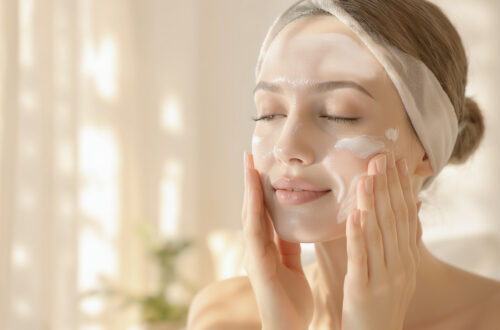
Picture this: it’s the height of summer, your skin is slick with sweat, and somehow your cheeks feel tight and flaky at the same time. Or maybe it’s mid-January and the indoor heating has turned your face into a map of dry patches — yet you’re still breaking out. If you’ve ever wondered whether hyaluronic acid for acne prone skin is a good idea, or whether it might actually make things worse depending on the time of year, you’re asking exactly the right question.
The answer isn’t a simple yes or no. It’s seasonal, situational, and deeply connected to how your skin’s moisture balance shifts throughout the year. Let’s break it down.
Quick Answer: Is Hyaluronic Acid Safe for Acne Prone Skin?
Yes — hyaluronic acid is generally safe and beneficial for acne prone skin. It’s a non-comedogenic (won’t clog pores) humectant (an ingredient that draws water into the skin) that hydrates without adding oil. It can reduce the overproduction of sebum triggered by dehydration, and it supports the skin’s healing process after breakouts. The key is choosing the right formulation and adjusting your approach by season.

Why Acne Prone Skin Still Needs Hydration — In Every Season
There’s a persistent idea that oily or acne prone skin should skip moisturizing altogether. In reality, dehydrated skin — skin that lacks water, not oil — is one of the sneakiest triggers for excess sebum production. When your skin senses it’s losing moisture, it compensates by producing more oil. That oil mixes with dead skin cells and clogs pores. Sound like a familiar cycle? It’s one of the most common frustrations for people dealing with breakouts.
Hyaluronic acid (HA) works as a humectant, meaning it pulls water from the environment and the deeper layers of your skin up toward the surface. Think of it less like a sponge and more like a scaffold of tiny reservoirs — each one capable of retaining significant amounts of moisture within the skin’s matrix. This hydration without greasiness is exactly what acne prone skin tends to need most.
For a deeper look at how HA interacts with different skin types, hyaluronic acid for oily skin covers the oil-balance connection in detail, and it’s well worth reading if you’ve been avoiding moisturizers out of fear of breakouts.
How Seasonal Changes Affect Acne Prone Skin’s Relationship with HA
Your skin doesn’t live in a vacuum. Temperature, humidity, UV exposure, and even the air quality indoors all shift throughout the year — and each shift changes how your skin responds to the same ingredient.
Spring: Transition Season, Transition Skin
Spring brings fluctuating humidity and rising temperatures. For acne prone skin, this often means a surge in breakouts as sebaceous (oil-producing) glands ramp up activity after winter dormancy. A lightweight HA serum applied to damp skin before a non-comedogenic moisturizer works beautifully here — it delivers hydration without the heaviness that can exacerbate congestion. Stick to lower-molecular-weight HA formulas (smaller molecules that penetrate more deeply into the skin’s outer layers) to avoid any surface film that might trap debris in pores.
Summer: High Humidity, High Stakes
Here’s something that surprises a lot of people: in very humid climates, HA can actually perform better because there’s abundant atmospheric moisture for it to draw in. But for acne prone skin in summer, the concern shifts. Heavy creams layered over HA can feel suffocating when you’re hot and sweating. The fix? Use HA as a standalone step — a few drops of serum patted onto clean skin — and follow with a gel-based or water-gel moisturizer rather than a cream. This keeps the skin hydrated and balanced without the occlusive (sealing) heaviness that can worsen breakouts.
Do you tend to get more blackheads in summer? That’s often a humidity-plus-sunscreen combination issue, not the HA itself. Keep your routine minimal and look for HA products that are free of fragrance and heavy emollients (skin-softening fats and oils).

Autumn: The Reset Window
Autumn is arguably the best season to build or refine your HA routine if you have acne prone skin. Temperatures drop, humidity stabilizes, and the skin often calms down after summer’s UV and sweat exposure. This is a good time to introduce a slightly richer HA formulation — perhaps one that blends multiple molecular weights — to start reinforcing the skin’s moisture reserves before winter hits. It’s also the ideal moment to introduce HA alongside acne-fighting actives like niacinamide or azelaic acid, since the milder weather reduces the risk of irritation flares.
Winter: The Dehydration-Breakout Trap
Winter is where things get complicated for acne prone skin. Central heating strips moisture from indoor air, cold wind damages the outermost layer of the skin, and many people reach for heavier products to compensate — only to find those products clog their pores and trigger new breakouts. This is the season where HA earns its place most clearly.
The trick in winter is sealing the HA in. On its own, HA can actually pull moisture out of your skin in very dry environments if there’s not enough atmospheric humidity to draw from. Always follow your HA serum with a moisturizer that contains ceramides (lipids that reinforce the skin’s natural barrier) or a light occlusive like squalane. This locks the hydration in rather than letting it evaporate. For acne prone skin specifically, avoid thick petrolatum-based occlusives in winter — they work beautifully for some skin types but can be too heavy for pore-prone complexions.
If your skin is also reactive or easily irritated in cold weather, the guide on hyaluronic acid for sensitive skin has useful overlap with winter-specific acne concerns.
The Dehydration-Acne Link: What’s Actually Happening in Your Skin
When the skin’s outer layer — the stratum corneum (the topmost, protective layer of the epidermis) — becomes dehydrated, it loses its ability to shed dead cells properly. Those cells pile up, mix with sebum, and create the ideal environment for Cutibacterium acnes (the bacteria most associated with inflammatory acne) to thrive. HA helps interrupt this chain by maintaining the water content of the stratum corneum, supporting normal cell turnover, and reducing the stress signals that trigger excess oil production.
It’s also worth noting that many acne treatments — retinoids, benzoyl peroxide, salicylic acid — are inherently drying. Using HA alongside these actives isn’t just acceptable; it’s often recommended by dermatologists to offset the dryness and barrier disruption these ingredients cause. The hydration HA provides can actually make your acne actives more tolerable, which means you’re more likely to stay consistent with them.
Situational Factors Beyond the Calendar
Seasons aren’t the only context that matters. Several life situations can shift how acne prone skin responds to HA.
- Post-treatment skin: After chemical peels, laser treatments, or extractions, the skin is temporarily compromised. HA is one of the safest post-procedure hydrators because it’s gentle, non-reactive, and supports healing without introducing potential irritants.
- Hormonal fluctuations: Hormonal breakout cycles (common around menstruation, pregnancy, or perimenopause) often come with increased skin sensitivity. During these windows, a fragrance-free HA serum is one of the least likely ingredients to cause a flare.
- Mask-wearing and occlusion: Wearing a face mask for extended periods creates a warm, humid microenvironment that can worsen acne. Keeping your routine minimal — HA serum, light moisturizer, done — helps reduce the congestion risk.
- Travel and climate changes: Moving between different humidity zones (say, a dry inland city to a coastal one) can throw your skin off balance quickly. A travel-sized HA serum is one of the most versatile items to have on hand for these transitions.
Speaking of skin that behaves differently in different zones — if you have a combination complexion where some areas break out and others are dry, hyaluronic acid for combination skin addresses exactly that patchwork challenge.
Insider Tips for Getting the Most from HA on Acne Prone Skin
Insider tip #1: Apply your HA serum to skin that’s still slightly damp after cleansing — not soaking wet, but not bone dry either. This gives the HA ambient moisture to work with immediately, which is especially important in low-humidity environments where it might otherwise pull from deeper skin layers instead of the air.
Insider tip #2: If you’re using HA alongside a retinoid or benzoyl peroxide, apply the HA after the active, not before. Layering HA over your acne treatment creates a buffer that reduces dryness and peeling without diluting the active’s effectiveness. Most people do it the other way around and then wonder why their skin still feels stripped.
Honest Pros and Cons of Using HA on Acne Prone Skin
- Pro: Non-comedogenic and oil-free — won’t clog pores
- Pro: Reduces the dehydration that drives excess sebum production
- Pro: Supports post-breakout healing and reduces the appearance of post-inflammatory marks
- Pro: Compatible with most acne-fighting actives
- Con: In very dry climates or seasons, HA without a proper sealant can backfire and draw moisture out of the skin
- Con: Some HA products include added fragrance or alcohol that can irritate acne prone skin — always check the full ingredient list
- Con: Not a standalone acne treatment — it addresses hydration, not the bacteria or inflammation driving breakouts
If you’re concerned about whether HA could be causing irritation rather than helping, the article on hyaluronic acid skin irritation is a helpful diagnostic read.

Seasonal Product Picks for Acne Prone Skin
The Ordinary Hyaluronic Acid 2% + B5
Brand: The Ordinary
Key Ingredients: Multi-molecular hyaluronic acid, vitamin B5 (panthenol)
Why it fits: A fragrance-free, no-frills formula with multiple HA molecular weights — ideal year-round for acne prone skin. Lightweight enough for summer, effective enough for winter when layered under a ceramide moisturizer. Excellent value for a consistent daily routine.
La Roche-Posay Toleriane Double Repair Face Moisturizer
Brand: La Roche-Posay
Key Ingredients: Hyaluronic acid, ceramides, niacinamide
Why it fits: Perfect for autumn and winter use on acne prone skin. The ceramide-HA combination seals hydration in without heaviness, and niacinamide helps regulate sebum. Non-comedogenic and fragrance-free — a dermatologist staple for good reason.
Neutrogena Hydro Boost Water Gel
Brand: Neutrogena
Key Ingredients: Hyaluronic acid, glycerin
Why it fits: The water-gel texture is practically made for summer acne prone skin — it delivers HA hydration with zero heaviness. Absorbs quickly, leaves no residue, and works well under SPF. A go-to for humid months when even lightweight serums feel like too much.
Paula’s Choice Skin Recovery Super Antioxidant Concentrate Serum
Brand: Paula’s Choice
Key Ingredients: Hyaluronic acid, niacinamide, vitamin C, green tea extract
Why it fits: Ideal for transitional seasons (spring and autumn) when acne prone skin is also dealing with post-breakout hyperpigmentation. The HA provides hydration while antioxidants address discolouration — a dual-purpose formula that earns its place in a simplified routine.
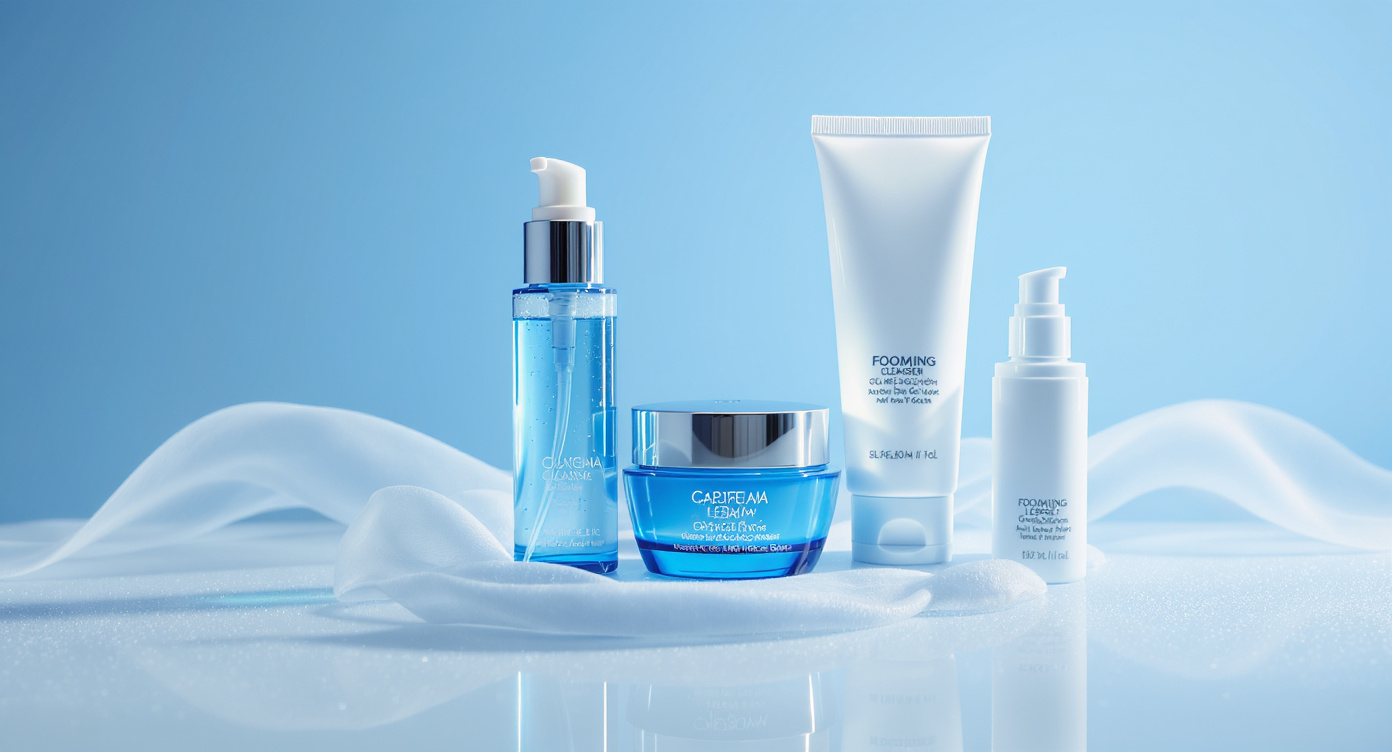
CeraVe Acne Foaming Cream Cleanser with Hyaluronic Acid
Brand: CeraVe
Key Ingredients: Benzoyl peroxide, hyaluronic acid, niacinamide
Why it fits: An unusual but smart pick — a cleanser that combines an acne active with HA to counteract the drying effect of benzoyl peroxide at the cleansing step itself. Great for all seasons but particularly useful in winter when dryness from acne treatments is most pronounced.
Frequently Asked Questions
Can hyaluronic acid cause purging on acne prone skin?
No. Purging (a temporary increase in breakouts as skin cell turnover accelerates) is caused by active ingredients like retinoids, AHAs, and BHAs. Hyaluronic acid doesn’t affect cell turnover, so it won’t trigger purging. If you break out after introducing a new HA product, the culprit is more likely an additional ingredient in the formula — fragrance, certain emollients, or preservatives.
Should I use HA before or after my acne spot treatment?
After. Apply your spot treatment (benzoyl peroxide, salicylic acid, or a prescription topical) first, let it absorb for a minute or two, then apply your HA serum. This sequence lets the active work directly on the skin while HA minimizes the drying side effects.
Is HA different for body acne versus facial acne?
The ingredient itself works the same way, but body skin is thicker and has more sebaceous glands in certain areas (chest, upper back). For body acne, a lightweight HA body lotion or gel is appropriate — just make sure it’s non-comedogenic and doesn’t contain heavy mineral oils or butters that can clog pores on the torso.
How does HA compare to glycerin for acne prone skin?
Both are humectants and both are non-comedogenic. Glycerin is slightly more occlusive (sealing) and tends to feel a touch stickier. HA generally feels lighter and more serum-like. Many well-formulated products combine both for a broader hydration effect. Neither is superior — it comes down to texture preference and how they’re formulated in a specific product.
Does the type of water I use to rinse my face affect how HA works?
Hard water (water high in mineral content) can disrupt the skin’s surface pH and reduce the effectiveness of some skincare ingredients. If you live in a hard-water area and find your skin feels tight after cleansing, consider using a gentle toner with HA before your serum to reset the skin’s surface environment.
Conclusion: Let the Season Guide Your HA Strategy
Hyaluronic acid for acne prone skin isn’t a one-size-fits-all solution — but it is one of the most universally compatible ingredients you can add to a breakout-prone routine. The real skill is adjusting how you use it as your environment changes. Lightweight and solo in summer, sealed in with ceramides in winter, paired with antioxidants in spring and autumn. Think of it as a year-round foundation for skin that stays balanced rather than swinging between oily and stripped.
If you’re also navigating specific skin type concerns alongside acne, the guides on hyaluronic acid for dry skin and hyaluronic acid for oily skin can help you dial in your approach further — because acne prone skin rarely fits neatly into one category.
Start with a fragrance-free HA serum, apply it to slightly damp skin, seal it with a non-comedogenic moisturizer, and pay attention to how your skin responds as the seasons shift. That’s really all it takes to make this ingredient work for you rather than against you.