
If you’ve ever wondered whether retinol is genuinely worth all the hype — or just another overpromised ingredient dressed up in sleek packaging — you’re not alone. What does retinol do for your skin, really? The honest answer is: quite a lot, and the science backs it up. But how it works, which form suits you, and what results you can realistically expect depend heavily on comparisons most articles skip over. That’s exactly what this guide tackles.
Retinol is a derivative of vitamin A and one of the most extensively studied ingredients in dermatology. It is one of the most widely used ingredients in dermatology due to its well-documented efficacy in treating signs of aging, acne, and hyperpigmentation. Used consistently, it can transform your skin — but the path looks different depending on your skin type, your goals, and the product you choose.
What Does Retinol Actually Do? (The 60-Second Answer)
Added to skin creams and lotions available over the counter, retinol has anti-aging effects and can help clear acne. It works by boosting skin cell and collagen production, unclogging pores, and exfoliating the skin. More specifically, when you use retinol, it absorbs into your skin and is converted into its active form, retinoic acid. Retinoic acid then acts on skin cells and changes how they grow and shed. The result: smoother texture, fewer lines, clearer pores, and a more even tone — all from one ingredient. For a broader look at whether this ingredient belongs in your routine, see our guide on the benefits of retinol for skin health.
Retinol vs. Retinoids: Which One Are You Actually Using?
This is the comparison that trips up most beginners. “Retinoids” is the umbrella term for the entire family of vitamin A compounds used in skincare. Retinol is just one member of that family — and the one most commonly found in over-the-counter products.
Retinol is one of the most common non-prescription retinoids. Before it can work, retinol must convert in the skin — first into retinal, then into retinoic acid (the active form). Because of this gradual, two-step conversion, retinol tends to be gentler and better tolerated by many skin types, making it a great choice for beginners or those with more sensitive skin.
Prescription retinoids like tretinoin skip that conversion entirely. Unlike retinol, prescription retinoids such as tretinoin, adapalene, and tazarotene work directly as retinoic acid, an active form that skin can immediately use. That’s why they deliver faster results — but also why they’re more likely to cause irritation, especially when you’re just starting out.
Here’s a quick side-by-side to make the choice clearer:
- Retinol (OTC): Requires two-step conversion in skin; gentler; slower results (often 3–6 months); ideal for beginners, dry, and sensitive skin
- Prescription retinoids (e.g., tretinoin): Works immediately as retinoic acid; faster results (4–8 weeks); higher irritation risk; best for moderate-to-severe acne or significant photoaging
- Retinal (retinaldehyde, OTC): One-step conversion; sits between retinol and prescription strength; faster than retinol, still OTC
- Retinyl esters (e.g., retinyl palmitate): Three-step conversion; the mildest form; slowest results; often found in everyday moisturizers
If you have sensitive or dry skin, consider retinol, which is generally well-tolerated by more skin types. For oily or acne-prone skin, a prescription-strength retinoid may be more suitable. If you’re exploring the best retinol options for sensitive skin, starting with the lowest effective concentration is always the smarter move.
Retinol Concentrations Compared: Low vs. Mid vs. High Strength
Not all retinol products are created equal. The percentage on the label matters — but it’s not the only factor. Think of concentration like a volume dial: turning it up too fast leads to noise (irritation), not music (results).
- 0.025%–0.1%: Beginner range. Most dermatologists recommend a retinol concentration of 0.05% for beginners, or even lower (0.025%) if you have very sensitive skin. Expect gradual improvements over several months.
- 0.1%–0.3%: Intermediate range. Research from 2020 suggested 0.3 and 0.5 percent retinol serums can help reduce hyperpigmentation and uneven skin tone.
- 0.5%–1%: Advanced range. More effective for deeper lines and stubborn pigmentation, but requires a well-conditioned skin barrier.
A 2024 pooled analysis is worth noting here: a pooled analysis of six controlled clinical studies looked at participants with an average age of 47.7 and mild to moderate signs of sun damage, including wrinkles, and found that using 0.1% retinol improved signs of photoaging with only a few reported cases of skin irritation. In other words, you don’t need a high concentration to see real results — consistency beats potency.
Insider tip: The bioconversion of topical retinol to retinoic acid within skin is saturable and primarily governed by enzymatic activity and cellular binding capacity rather than applied dose, suggesting that moderate concentrations may achieve clinical outcomes comparable to higher doses while reducing irritation risk. Translation: more isn’t always more.
What Retinol Does Inside Your Skin: The Key Mechanisms
Understanding the “how” helps you set realistic expectations and use retinol more strategically. Here’s what’s actually happening beneath the surface.
Accelerates Cell Turnover
Retinol’s mechanism of action is centered on its ability to influence gene expression in skin cells. It is metabolized into its active form, retinoic acid, which binds to retinoid receptors in the skin, triggering accelerated cell turnover: retinol promotes faster exfoliation and shedding of dead skin cells, leading to smoother, clearer skin. Think of it as pressing the refresh button on your skin’s natural renewal cycle — the one that slows down significantly after your mid-twenties.
Stimulates Collagen and Elastin Production
In the dermis, retinol stimulates fibroblasts to produce collagen types I and III via the transforming growth factor-beta (TGF-β)/connective tissue growth factor (CTGF) pathway, along with fibronectin, tropoelastin, and hyaluronic acid. In plain terms: retinol signals your skin’s structural protein factories to ramp up production. Retinol activates genes responsible for producing collagen types I and III while inhibiting matrix metalloproteinases (MMPs), enzymes that break down existing collagen. It’s building new scaffolding while simultaneously preventing the old scaffolding from collapsing.
Fades Hyperpigmentation
Retinol inhibits tyrosinase (the enzyme that produces melanin) and accelerates the turnover of pigmented cells. This dual action — slowing melanin production at the source while speeding up the shedding of already-pigmented surface cells — is why retinol is so effective for dark spots and uneven tone. If dark spots are a primary concern, you may also want to explore our full overview of retinol skin care strategies.
Strengthens the Skin Barrier
Retinol interacts with receptors within keratinocytes (the primary cells of the outer skin layer) and stimulates their proliferation. This then enhances the protective function of the epidermis and decreases transepidermal water loss. Counterintuitively, even though retinol can initially cause dryness, long-term use actually improves your skin’s ability to hold onto moisture — a fact that surprises many new users.
For more on whether retinol affects your skin’s moisture levels over time, our article on retinol and skin dryness goes into much more detail.
Retinol for Anti-Aging vs. Retinol for Acne: Same Ingredient, Different Goals
One of the most useful comparisons to make is how retinol’s mechanisms serve two very different audiences — and why that matters for how you use it.
For Anti-Aging
A major benefit of using retinol is younger-looking skin. As you age, your skin produces less collagen and elastin — the proteins that help keep your skin supple, plump, and smooth. Retinol stimulates the production of collagen and elastin. The visible payoff includes reduced fine lines, improved firmness, and a more even texture. Results typically take 3–6 months of consistent use to become noticeable.
Are you curious whether retinol actually changes the skin’s structural thickness over time? Our piece on retinol and skin thickness addresses that question directly.
For Acne-Prone Skin
Retinol can prevent pores from becoming clogged with oil and dead skin cells, which can lead to breakouts. Retinol also helps regulate excess oil production, another cause of acne. For acne users, the initial “retinol purge” — a temporary increase in breakouts as cellular turnover speeds up — can feel discouraging. But it’s a sign the ingredient is working, not a reason to stop. This temporary flare of acne when you first start using topical retinoids typically resolves within 4–6 weeks.
The Retinization Period vs. Long-Term Results: What to Expect
Here’s the honest tradeoff that most product marketing glosses over. The first 4–8 weeks of retinol use often involve what’s sometimes called “retinization” — a period of skin adjustment that can include dryness, mild flaking, and sensitivity. Retinol accelerates turnover, temporarily thinning the outer skin layer, but it strengthens the skin long-term by thickening the dermis and boosting collagen.
So the short-term experience and the long-term result are almost opposites — which is why patience is the most underrated part of any retinol skin care routine. If peeling is a concern for you, our dedicated article on whether retinol makes your skin peel explains what’s normal and what’s not.
Pros of retinol use:
- Clinically proven to reduce fine lines, wrinkles, and hyperpigmentation
- Available over the counter in a wide range of formulas
- Improves skin texture, pore appearance, and tone over time
- Gentler than prescription retinoids, with a manageable adjustment period
- Works for most skin types when introduced gradually
Cons to be aware of:
- Results take months, not days
- Initial irritation, dryness, and peeling are common
- Increases sun sensitivity — daily broad-spectrum SPF is non-negotiable
- Not recommended during pregnancy or breastfeeding (consult your doctor)
- Can worsen rosacea or eczema flare-ups in some individuals
Wondering whether starting retinol earlier in life is better? Our article on what retinol does to young skin covers age-specific considerations.
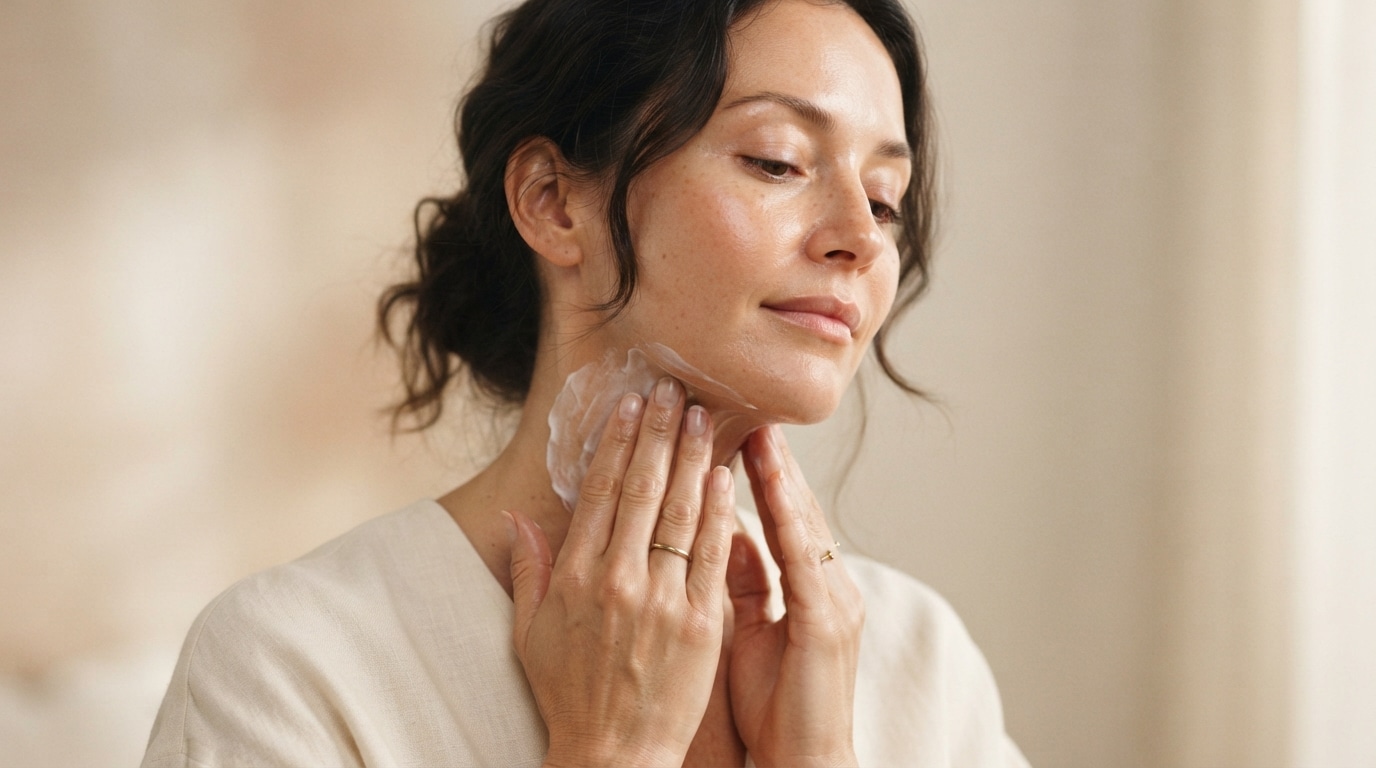
Retinol in Serums vs. Creams vs. Moisturizers: Which Format Wins?
The delivery format changes more than just texture — it affects how your skin tolerates retinol and how well the ingredient stays stable.
- Serums: Higher concentration of active ingredients; absorb quickly; best for targeted anti-aging or pigmentation concerns. Can be drying, so follow with a moisturizer.
- Creams and moisturizers: The retinol is “buffered” by emollients and hydrators, making them gentler. Ideal for beginners and dry skin types. “Retinols are recommended for anyone with dry skin as they tend to be less drying and are frequently formulated with hydration ingredients.”
- Encapsulated retinol: Housed in a protective shell that breaks down on contact with skin. Reduces oxidation and can lower irritation. Many newer formulas — including some listed below — use this technology.
- Gel formulas: Better suited to oily or acne-prone skin; lighter texture; less occlusive.
Insider tip: Retinol is a notoriously unstable molecule that degrades with exposure to air, light, or heat. Look for opaque or airtight packaging (pump bottles, sealed capsules) rather than open jars to protect potency.
Retinol Product Picks Worth Trying
Each product below was verified on the brand’s official website. They span different formats and skin types to match the comparisons covered in this article.
CeraVe Skin Renewing Retinol Serum
Brand: CeraVe
Key Ingredients: According to CeraVe’s official page, this serum features encapsulated retinol (to promote skin’s natural exfoliation and improve the appearance of fine lines, wrinkles, texture, and uneven tone), hyaluronic acid (to help maintain moisture balance and give skin a plump texture), niacinamide (to help calm skin and reduce transepidermal water loss), and three essential ceramides (to help restore and maintain the skin’s protective barrier).
Why it fits: The encapsulated retinol and ceramide combination makes this an excellent beginner-to-intermediate option — effective enough for anti-aging goals while gentle enough for sensitive or dry skin types. A strong starting point for anyone building their first retinol routine.
RoC RETINOL CORREXION® Line Smoothing Night Serum Capsules
Brand: RoC Skincare
Key Ingredients: According to RoC’s official website, this formula contains clinical retinol, ceramide NP (to replenish the skin barrier), soybean oil (an emollient), and a bio-derived antioxidant (dimethylmethoxy chromanol). Each capsule is airtight and biodegradable to preserve retinol freshness and potency.
Why it fits: The single-use airtight capsule format solves the stability problem head-on — each dose is as potent as the first. RoC states this is suitable for all skin types and safe for year-round use, making it a practical pick for consistent anti-aging results.
La Roche-Posay Retinol B3 Pure Retinol Serum
Brand: La Roche-Posay
Key Ingredients: According to La Roche-Posay’s official US page, this serum combines concentrated pure retinol with gradual-release retinol and vitamin B3 (niacinamide), plus hyaluronic acid, glycerin, and tocopherol (vitamin E). It is allergy-tested and formulated for sensitive skin.
Why it fits: The dual-retinol system (immediate + gradual release) is a smart engineering choice for people who want real anti-aging results without overwhelming their skin. La Roche-Posay states it’s suitable for sensitive skin — and the niacinamide helps offset the irritation that pure retinol can cause.
Neutrogena Rapid Wrinkle Repair Retinol Renewal Serum
Brand: Neutrogena
Key Ingredients: According to Neutrogena’s official website, this lightweight serum is formulated with pure retinol (vitamin A), carnosine (a proven antioxidant to help support the skin’s elasticity), a soothing complex to minimize irritation, and glycerin. It is free from parabens, mineral oils, and dyes, and is clinically tested for normal, oily, dry, and combination skin.
Why it fits: The carnosine antioxidant pairing with retinol is an underappreciated detail — antioxidants help neutralize the free radical activity that retinol stirs up during cellular turnover. Good all-rounder for anyone who wants a straightforward, multi-skin-type formula without a long ingredient list.
5 Lesser-Known Facts About Retinol Worth Knowing
- It may benefit your skin microbiome. Retinol, known for its antibacterial properties, has been shown to enhance host immune function in the skin. Emerging research is exploring how retinol reshapes the skin’s microbial ecosystem — a relatively new frontier in dermatology.
- It stimulates new blood vessel formation. Retinol stimulates the production of new blood vessels on the skin, which can contribute to reducing skin pigmentation. Better vascularization (blood supply) contributes to that post-retinol “glow.”
- It’s fat-soluble, which aids penetration. Being a fat-soluble substance, retinol can penetrate skin cells and be metabolized to retinoic acid, the bioactive form of retinoids, in a two-step reaction.
- Darker skin tones need extra vigilance. Those with darker skin types need to be especially careful about whether a retinoid-based product is causing irritation, since irritation can result in hyperpigmentation in skin of color. Starting low and slow is especially important.
- Retinol works on more than your face. Retinol can be used all over the body — hands, neck, and décolletage are areas that show aging early but are often overlooked in retinol routines.
Frequently Asked Questions
How long before I see results from retinol?
Most people notice texture improvements within 4–8 weeks, but meaningful changes to fine lines, pigmentation, and firmness typically take 3–6 months of consistent use. Prescription retinoids often show improvement in 4–8 weeks, while retinol may take several months. Patience and consistency matter more than concentration.
Can I use retinol every night?
Eventually, yes — but not right away. Start by using retinol just once or twice a week, on non-consecutive nights, so your skin can adjust to the ingredient. Once your skin has adapted (usually after 4–8 weeks), you can work up to nightly use. Retinol can make skin photosensitive, so it’s best used primarily at night, though products with retinol can be used during the day when combined with a sunscreen.
What should I not combine with retinol?
Using retinol products alongside other skincare treatments, such as alpha-hydroxy acids, can over-exfoliate your skin and damage it. Vitamin C serums can also be tricky to layer with retinol due to differing pH requirements — many dermatologists suggest using vitamin C in the morning and retinol at night. Benzoyl peroxide can deactivate retinol, so keep them in separate routines.
Does retinol work differently on oily versus dry skin?
Yes. Oily skin tends to tolerate retinol better because the natural sebum (skin oil) provides a buffer. If your skin is oily, you could go for a gel or spray formula, while combination skin benefits more from a lotion or retinol serum, and dry skin types should choose a cream for as much hydration as possible. If you have dry skin and are concerned about how retinol might affect your moisture levels, read more about retinol and skin dryness.
Is the “retinol purge” real, and should I push through it?
The purge is real — it’s the rapid acceleration of cell turnover bringing congestion to the surface faster than usual. Most people who experience irritation (such as redness, dryness, or peeling) when starting retinol are able to build tolerance over time. However, severe burning, persistent stinging, or raw skin are signs to stop and let your skin recover. A mild purge is normal; a painful one is not. See a dermatologist if you’re unsure.
Does retinol help with large pores?
Topical retinol treats large pores by increasing skin cell turnover — which makes your skin thicker — and preventing the development of clogged pores. Pores don’t actually “shrink” permanently, but keeping them clear of debris makes them appear significantly smaller over time.
The Bottom Line
Retinol is one of the rare skincare ingredients where the science genuinely matches the marketing — when you use it correctly. It accelerates cell renewal, rebuilds collagen, clears pores, and fades pigmentation through well-understood biological pathways. The key is choosing the right form and concentration for your skin type, starting slowly, and committing to the timeline. The adjustment period is real, but so are the long-term results.
Whether you’re brand new to vitamin A skincare or ready to step up from a basic formula, the comparisons in this guide should help you make a more informed choice. For a broader look at how retinol fits into your daily routine and which concerns it addresses best, explore our complete overview of retinol skin care. And if you’re still weighing whether it’s the right move for your skin, our deep-dive on whether retinol is good for your skin covers the full picture. As always, if you have a skin condition like rosacea, eczema, or melasma, check with a dermatologist before starting — they can tailor the approach to your specific needs.
Skin safety note: Retinoids are generally avoided during pregnancy and breastfeeding — always check with your doctor. Daily broad-spectrum SPF is essential when using retinol, as it increases sun sensitivity. Patch-test any new retinol product on a small area before applying it to your full face.
Authoritative resources: For further reading, the American Academy of Dermatology’s retinoid guide, the Cleveland Clinic’s retinol overview, and the 2025 peer-reviewed study on retinol barrier function in mature skin are all excellent starting points.


One comment on “What Does Retinol Do for Your Skin? A Full Guide”