You’ve picked up a serum, read the label, and wondered: does hyaluronic acid tighten skin, or is that just clever marketing? It’s one of the most common questions beginners ask when they first start building a skincare routine, and honestly, the answer is more nuanced — and more hopeful — than a simple yes or no. Let’s walk through exactly what hyaluronic acid does for your skin, what it can’t do, and how to use it correctly so you actually see results.
Quick answer: Hyaluronic acid does not tighten skin in the way a firming cream or retinol might. However, by deeply hydrating the skin and plumping it with moisture, it can temporarily reduce the appearance of fine lines and give skin a smoother, more taut look. Think of it as a surface-level visual improvement rather than a structural change to skin elasticity.
What Is Hyaluronic Acid, and Why Are Beginners Confused About It?
Hyaluronic acid (HA) is a humectant — an ingredient that attracts and holds onto water molecules from the environment and the deeper layers of your skin. It’s naturally produced by your body and found in high concentrations in your joints, eyes, and skin. As you age, your skin’s natural HA levels decline, which is one reason skin begins to look less plump and bouncy over time.
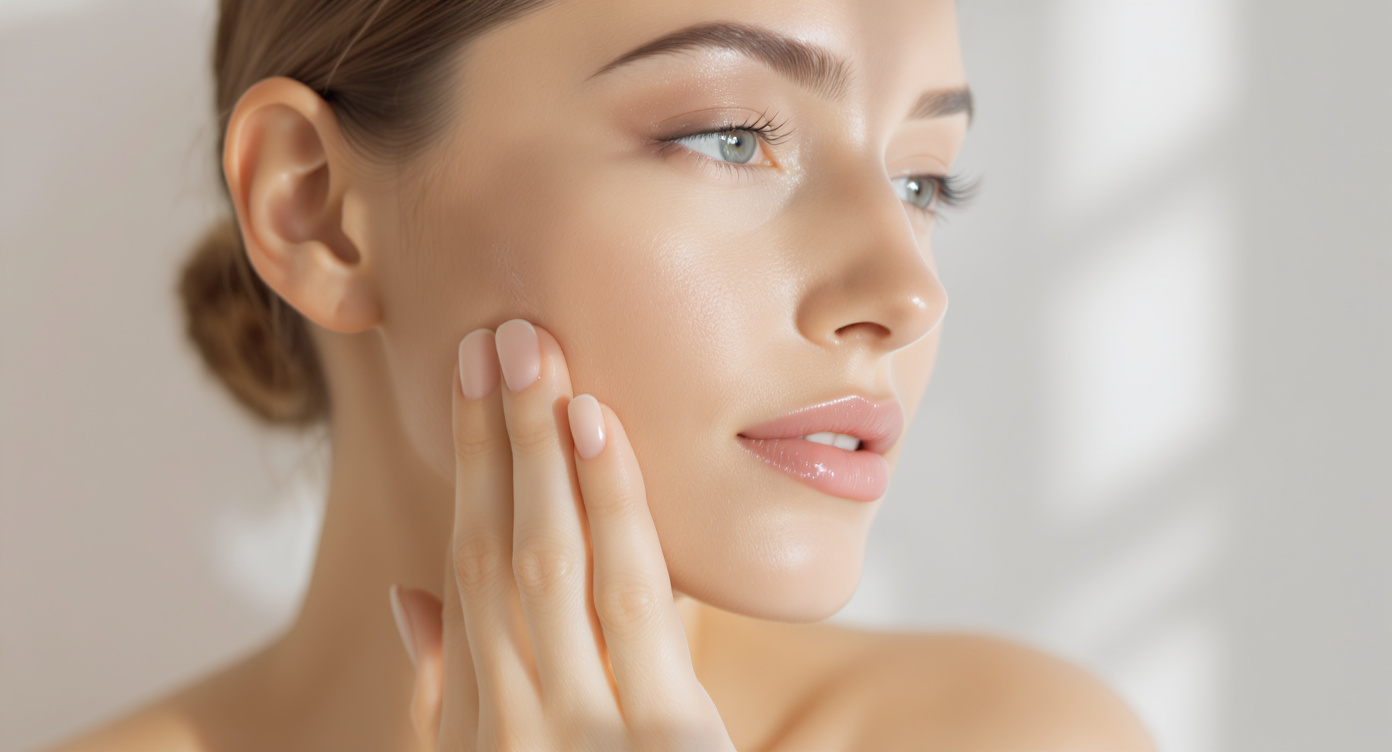
The confusion around skin tightening usually comes from the sensation HA creates. When you apply a well-formulated HA serum and follow it with a moisturizer, your skin genuinely feels firmer and looks more lifted. That’s the power of hydration — a well-hydrated skin cell is physically plumper, and plumper cells push up against the surface, smoothing out the look of fine lines. It’s a bit like a deflated balloon versus a fully inflated one: same structure, very different appearance.
For a deeper look at everything this ingredient can do, the full breakdown of hyaluronic acid benefits for skin covers the complete picture, including its role in wound healing, barrier support, and long-term skin health.
Step 1 — Understand the Difference Between Tightening and Plumping
Before you start using HA for firming goals, it helps to get clear on two terms the beauty industry often blurs together.
- Tightening refers to an actual structural change in the skin — increasing collagen density, improving elastin (the protein that gives skin its snap-back quality), or physically contracting tissue. Ingredients like retinol, peptides, and certain growth factors work toward this goal over months of consistent use.
- Plumping refers to filling skin cells with water so they appear fuller and more lifted. This happens relatively quickly — sometimes within minutes of application — but it’s temporary and dependent on continued use.
Hyaluronic acid is firmly in the plumping camp. That’s not a knock against it — plumping is genuinely useful, especially for fine lines around the eyes and mouth. But if you’re hoping HA alone will give you the kind of lift you’d see from a peptide-rich cream or a retinol serum, you’ll likely be disappointed. Knowing this upfront saves you from unrealistic expectations.
Have you ever noticed your skin looking noticeably smoother right after using a hydrating serum, only to feel like it “wore off” by the next morning? That’s the plumping effect in action — and it’s a sign you need to layer correctly to lock it in.
Step 2 — Choose the Right Molecular Weight for Your Skin Goal
Not all hyaluronic acid is the same, and this is where beginners often go wrong. HA comes in different molecular weights (essentially, different sizes of the molecule), and each behaves differently on skin.
- High molecular weight HA sits on the surface of the skin, forming a soft, flexible film that locks in moisture and gives that immediate plumping, smoothing effect. This is what creates the temporary tightening sensation most people notice.
- Low molecular weight HA penetrates deeper into the epidermis (the outer layers of skin), delivering hydration where cells are actively dividing and renewing. This supports longer-term skin quality.
- Sodium hyaluronate is a salt form of HA with an even smaller molecule size, often used in serums for its ability to absorb efficiently without feeling heavy.
For a firming or tightening-adjacent effect, look for products that combine multiple molecular weights. The surface film from high-weight HA gives immediate visual improvement, while the deeper-penetrating forms support ongoing skin plumpness. Many well-formulated serums list two or three forms of HA on the ingredient label — that’s a sign of a thoughtful formula.
Insider tip: If you’re buying a budget HA serum and it only lists one form of hyaluronic acid, it’s not a dealbreaker — but a multi-weight formula will generally give you more noticeable results, especially if your main concern is reducing the appearance of fine lines.
Step 3 — Apply It the Right Way (This Part Really Matters)
Here’s something that surprises a lot of beginners: hyaluronic acid can actually make your skin feel drier if you apply it incorrectly. Because HA is a humectant, it pulls water from wherever it can find it. In a dry environment or on completely dry skin with no moisturizer on top, it can draw moisture out of the deeper layers of your skin rather than pulling it in from the air. The result? Tightness of the uncomfortable, dehydrated kind — the opposite of what you want.
Here’s the correct application sequence for beginners:
- Cleanse your face and pat it almost dry — leave a little dampness on the skin. This gives HA water to work with immediately.
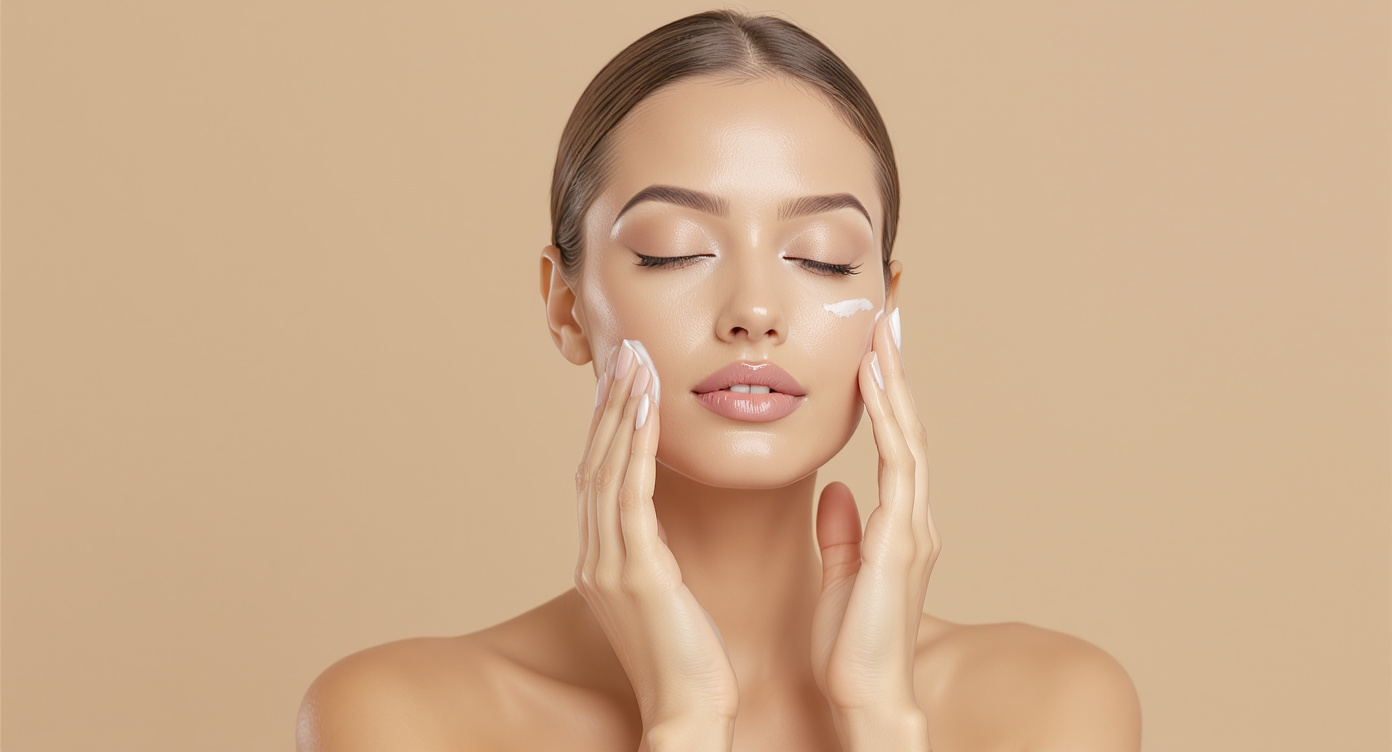
- Apply your HA serum while skin is still slightly damp. Use 2-3 drops and press gently across your face and neck.
- Follow immediately with a moisturizer to seal the hydration in. This step is non-negotiable. The moisturizer acts as a cap, preventing the water HA has drawn in from evaporating.
- In the morning, finish with SPF. UV damage breaks down collagen and worsens the appearance of loose or sagging skin — protecting your skin is one of the most effective long-term “firming” strategies available.
Understanding how this ingredient works in your daily routine is closely tied to the question of whether hyaluronic acid moisturizes skin on its own — and the short answer is that it works best as part of a layered approach, not as a standalone moisturizer.
Step 4 — Set Realistic Expectations for Skin Tightening
Let’s be straightforward here: if you’re dealing with significant skin laxity (looseness caused by collagen and elastin loss), hyaluronic acid alone will not reverse that. The plumping effect is real and visible, but it works on the surface. True skin tightening — the kind that addresses structural changes in the dermis (the deeper layer of skin beneath the surface) — requires a different toolkit.
What HA can do for firmness-related goals:
- Visibly smooth fine lines and crepe-y texture within minutes of application
- Improve overall skin tone and radiance, which makes skin look more youthful and lifted
- Support the skin’s environment so that collagen-boosting ingredients (like retinol or vitamin C) can work more effectively
- Reduce the look of pores, which tend to appear larger on dehydrated skin
What HA cannot do:
- Rebuild lost collagen or elastin
- Provide lasting structural lift without consistent use and proper layering
- Replace professional treatments for significant skin laxity
This honest tradeoff is worth knowing before you invest in a product. HA is genuinely excellent at what it does — but it’s a supporting player in a firming routine, not the lead.
Step 5 — Pair Hyaluronic Acid With the Right Ingredients for Better Results
If firmer-looking skin is your goal, the smartest move is to build a routine where HA is the hydration foundation and other ingredients do the structural work. Here’s how to think about it:
- Retinol or retinoids: Stimulate collagen production over time. HA helps counteract the dryness retinol can cause, making them excellent partners.
- Peptides: Short chains of amino acids (the building blocks of protein) that signal skin to produce more collagen and elastin. Layering a peptide serum with HA gives you both plumping and firming action.
- Vitamin C: An antioxidant that also supports collagen synthesis. Using it in the morning with HA underneath amplifies both ingredients’ effects.
- Niacinamide: Supports the skin barrier and improves elasticity over time. It pairs beautifully with HA and can also help with the radiance side of things — something the article on hyaluronic acid for brightening explores in detail.
Insider tip: Apply your HA serum before vitamin C in the morning, not after. Vitamin C serums tend to be more acidic and can feel irritating on dry, unhydrated skin. A layer of HA first creates a more comfortable, receptive surface.
Starter Products Worth Trying for a Plumping and Firming Routine
Here are five real, commercially available products that work well for beginners focused on the plumping-meets-firming goal. These are selected specifically for their multi-weight HA formulas or their smart ingredient pairings — not just because they contain HA.
The Ordinary Hyaluronic Acid 2% + B5
Brand: The Ordinary
Key ingredients: Multi-molecular weight hyaluronic acid, vitamin B5 (panthenol)
A budget-friendly entry point that uses three different HA molecular weights for surface and deeper hydration. The added B5 supports barrier repair, helping skin retain the moisture HA draws in. Great first serum for beginners.
Neutrogena Hydro Boost Water Gel
Brand: Neutrogena
Key ingredients: Hyaluronic acid, glycerin
A lightweight gel moisturizer that seals in HA’s hydration while adding a second humectant layer via glycerin. The gel texture gives a subtle film-forming tightening sensation on application — ideal for oily or combination skin types.
SkinMedica HA5 Rejuvenating Hydrator
Brand: SkinMedica
Key ingredients: Five forms of hyaluronic acid, VITISENOL (a grape-derived antioxidant)
A more premium option that lives up to its name with five distinct HA forms targeting different skin depths. Particularly effective for mature skin concerned with fine lines and loss of plumpness. Worth the investment if you want a single product that does serious hydration work.
CeraVe Skin Renewing Vitamin C Serum
Brand: CeraVe
Key ingredients: Vitamin C (ascorbyl glucoside), hyaluronic acid, niacinamide
Combines HA’s plumping action with vitamin C’s collagen-supporting properties in a gentle, fragrance-free formula. A smart choice for beginners who want to address both hydration and early signs of skin laxity in one step.
RoC Retinol Correxion Line Smoothing Serum
Brand: RoC
Key ingredients: Retinol, hyaluronic acid
A practical pairing of retinol (for structural collagen support over time) and HA (for immediate plumping and hydration). If you’re ready to introduce retinol into your routine, this combination format is gentler for beginners than using the two separately.
For a broader overview of how to build a complete routine around this ingredient, the guide to hyaluronic acid skin care walks through product layering and ingredient compatibility in more depth.
Frequently Asked Questions
Can I use hyaluronic acid every day?
Yes, and for best results, you should. HA is one of the gentlest actives in skincare — it has no exfoliating or sensitizing properties, so twice-daily use (morning and evening) is both safe and effective. Consistency is what builds the cumulative plumping benefit.
How long before I see results from hyaluronic acid?
The surface plumping effect is visible almost immediately after application. For more meaningful improvements in skin texture, tone, and the appearance of fine lines, give it two to four weeks of consistent use. The longer you use it, the better your skin’s overall hydration baseline becomes.
Is hyaluronic acid safe for sensitive or acne-prone skin?
Generally, yes. Pure HA formulas without added fragrance, alcohol, or comedogenic (pore-blocking) oils are well tolerated by most skin types, including sensitive and acne-prone skin. Always check the full ingredient list — it’s the supporting ingredients in a formula, not the HA itself, that tend to cause reactions.
Does the form of hyaluronic acid (serum vs. cream) affect how well it works?
The delivery format matters less than the molecular weight and how you layer it. A serum allows HA to absorb quickly before you apply a moisturizer on top, which is why serums are the most popular format. A cream with HA already built in can work well too, especially for dry skin types that need the extra occlusion (sealing layer) a cream provides.
Will hyaluronic acid help with sagging skin along the jawline?
Mild sagging caused by dehydration can look noticeably improved with consistent HA use — better-hydrated skin simply looks more taut. However, structural sagging caused by collagen loss and gravity over time requires ingredients like retinol, peptides, or professional treatments. Think of HA as part of the foundation, not the whole solution.
Bringing It All Together
So, does hyaluronic acid tighten skin? The honest answer is: not in the way a firming ingredient would, but it does something genuinely valuable — it plumps skin with hydration, smooths the surface, and creates the visual impression of tighter, more youthful-looking skin. For beginners, that’s an excellent place to start.
The key takeaways from this guide: apply HA to slightly damp skin, always seal it with a moisturizer, and pair it with collagen-supporting ingredients like retinol or peptides if firming is your main goal. Don’t expect overnight structural change, but do expect your skin to look and feel noticeably better within a few weeks of consistent use.
Curious about the full scope of what this ingredient can do? Explore the complete guide to hyaluronic acid benefits for skin for a deeper look at its role in healthy, resilient skin — and check out the focused breakdown of how hyaluronic acid moisturizes skin to understand exactly how it fits into your hydration routine. Your next step is simple: pick one product from the list above, commit to using it correctly for four weeks, and see what it does for your skin.