But here’s the thing: the right tinted moisturizer is genuinely one of the most transformative products you can add to your routine. It evens out your complexion, gives you that “I woke up like this” glow, and hydrates at the same time. For pale skin specifically, it’s about finding that perfect balance between coverage and sheerness — enough to blur imperfections, not enough to mask who you actually are.
In this guide, we’re breaking down everything you need to know: what to look for, which products actually work, and how to apply them so your skin looks luminous rather than ghostly or muddy. Let’s dive in.
Why Pale Skin Needs a Different Approach to Tinted Moisturizers
Pale skin is notoriously unforgiving when it comes to tinted products. The slightest undertone mismatch shows up immediately — a hint too much yellow and you look sallow, a touch too much pink and you’re channeling sunburn, too much beige and you’ve got the dreaded mask effect. It’s not that pale skin is “difficult” — it’s actually incredibly expressive and beautiful — it’s just that the margin for error is smaller.
Dermatologists often point out that fair skin tones tend to have more visible redness, particularly around the nose and cheeks, which means the ideal tinted moisturizer for pale skin should have slight color-correcting properties — usually a neutral or slightly peachy undertone to counteract that redness without making you look artificially warm.
There’s also the hydration factor. Many people with pale skin also have skin that leans dry or sensitive, which means you need a formula that won’t settle into fine lines or emphasize dry patches. A tinted moisturizer that prioritizes skincare ingredients alongside pigment is the sweet spot.
Understanding Your Undertone First
Before you buy anything, you need to know your undertone. Pale skin can have cool (pink or bluish), warm (golden or peachy), or neutral undertones. A quick trick: look at the veins on your inner wrist. Blue or purple veins? Cool undertone. Green veins? Warm undertone. A mix? You’re neutral — lucky you, because most formulas will work.
For cool-toned pale skin, look for tinted moisturizers labeled “porcelain,” “ivory,” or “fair” with pink or neutral bases. For warm-toned pale skin, seek out “fair” or “light” shades with peachy or golden undertones. Avoid anything with heavy yellow pigment — it’ll make you look sickly rather than sun-kissed.
Key Ingredients to Look For
The best tinted moisturizer for pale skin isn’t just about shade — the formula matters enormously. Here’s what to prioritize:
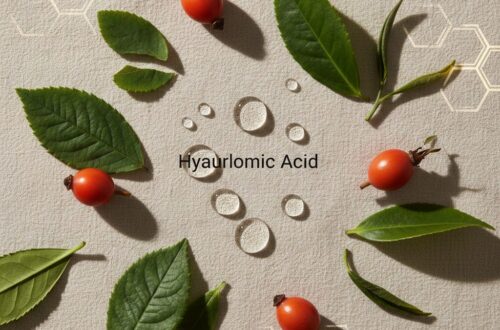
Hyaluronic Acid
This moisture-binding superstar plumps the skin and keeps it hydrated throughout the day. When your skin is properly hydrated, tinted products apply more smoothly and last longer. It’s a non-negotiable for pale, often dry or sensitive skin types.
Niacinamide
A multitasking hero that minimizes redness, evens skin tone, and strengthens the skin barrier. For pale skin that often shows redness or uneven patches, niacinamide in your tinted moisturizer does double duty.
SPF
Pale skin is more susceptible to UV damage — full stop. A tinted moisturizer with built-in SPF 30 or higher is ideal for daytime wear. Just remember that tinted moisturizers with SPF aren’t a replacement for dedicated sunscreen if you’re spending extended time outdoors.
Lightweight Oils or Ceramides
These help maintain the skin barrier and add a subtle luminosity that makes pale skin look healthy and radiant rather than flat. Jojoba oil, squalane, and ceramides are all excellent choices.
If you’re just starting to build a solid skincare routine and want to understand the broader moisturizer landscape first, check out our guide on the best moisturizer for young skin — it covers foundational hydration principles that apply no matter your skin tone or age.
Best Products for Pale Skin: Our Top Tinted Moisturizer Picks
After extensive research (and yes, a lot of personal trial and error with formulas that turned me into an Oompa Loompa), here are the standout options that genuinely deliver for fair and pale complexions.
-
1. Laura Mercier Tinted Moisturizer Natural Skin Perfector SPF 30
Brand: Laura Mercier
Key Ingredients: Hyaluronic acid, SPF 30, vitamin E
Why It Works: This is the gold standard for a reason. The shade range starts at a genuinely pale “Porcelain,” and the formula is sheer enough to look like skin, not makeup. The hyaluronic acid keeps pale, often dry complexions dewy all day, and the SPF protection is a bonus that pale skin absolutely needs. The finish is luminous without being glittery — think “naturally healthy” rather than “disco ball.”
-
2. NARS Pure Radiant Tinted Moisturizer SPF 30
Brand: NARS
Key Ingredients: SPF 30, antioxidant complex, hydrating agents
Why It Works: NARS starts their shade range at “Finland” — a cool-toned ivory that’s one of the palest options on the mainstream market. The formula is buildable, meaning you can go from a barely-there tint to light coverage depending on how your skin is feeling that day. The antioxidant complex also helps protect pale skin from environmental stressors that can cause redness and uneven tone over time.
-
3. Bobbi Brown Vitamin Enriched Tinted Moisturizer SPF 15
Brand: Bobbi Brown
Key Ingredients: Vitamins B, C, and E, shea butter, SPF 15
Why It Works: Bobbi Brown built her brand on the concept of enhancing natural skin tone rather than masking it, and this tinted moisturizer embodies that philosophy. The vitamin complex brightens and nourishes pale skin, while shea butter prevents that dreaded dry-patch emphasis. Ideal for those who want skincare benefits as much as coverage.
-
4. Erborian CC Crème High Definition Radiance Face Cream SPF 25
Brand: Erborian
Key Ingredients: Centella asiatica, ginseng, SPF 25
Why It Works: This Korean-inspired formula adapts to your skin tone on application — it starts white and blends to a natural finish. For pale skin, this is a revelation because there’s zero risk of picking the wrong shade. Centella asiatica is brilliant for calming redness, which is a common concern for fair complexions, and the ginseng adds a brightening effect that makes pale skin look luminous rather than washed out.
-
5. Neutrogena Healthy Skin Enhancer Tinted Moisturizer SPF 20
Brand: Neutrogela
Key Ingredients: Retinol, SPF 20, vitamin E
Why It Works: For those on a budget, this drugstore gem delivers impressive results. The retinol content means you’re getting anti-aging benefits alongside your tint — a smart move for pale skin that’s prone to sun damage. The sheer coverage is perfect for everyday wear, and the lightest shades genuinely suit very fair complexions without oxidizing to orange by midday.
How to Apply Tinted Moisturizer on Pale Skin for the Best Results
Application technique can make or break your tinted moisturizer experience. Here’s what works:
Start with Moisturized Skin
Apply your regular moisturizer first and let it absorb for a minute or two. Pale skin that leans dry will grip tinted moisturizer better when it’s already hydrated, giving you a smoother, more even finish. If you’re building your base skincare routine, our article on the best natural moisturizer for teenage skin has some great foundational advice on hydration-first skincare that applies to all ages.
Use Your Fingers or a Damp Sponge
For tinted moisturizers specifically, fingers often give the most natural finish on pale skin because the warmth of your hands helps the product meld seamlessly. A damp beauty sponge works beautifully too, especially if you want to build coverage in specific areas like around the nose where redness tends to concentrate.
Apply from the Center Outward
Start at the center of your face and blend outward toward your hairline and jaw. This prevents the “mask effect” that’s particularly obvious on pale skin — where the product is darker than your neck and ears.
Don’t Forget Your Neck
This one’s crucial for pale skin. The contrast between a slightly tinted face and an untouched neck is very visible on fair complexions. Either blend a tiny amount down your neck or choose a shade that’s close enough to your natural skin tone that the difference is imperceptible.
Common Mistakes to Avoid
Choosing a Shade “Just in Case” You Get a Tan
Don’t buy a shade darker thinking you’ll grow into it. Tinted moisturizers are meant to match your current skin tone. A shade too dark on pale skin looks muddy and unnatural — always match to your palest, truest tone.
Skipping Primer on Oily Days
Even if you have dry skin most of the time, on warmer days a light pore-minimizing primer can help your tinted moisturizer stay put and not separate around the T-zone, which is particularly noticeable on pale skin.
Ignoring Oxidation
Some tinted moisturizers oxidize — meaning they get slightly darker or more orange as they react with your skin’s oils throughout the day. Test any new product on your jawline and check back after two hours before committing to a full-face application.
If you’re exploring the full spectrum of moisturizer options for different skin types and tones, our comprehensive guide to the best moisturizer for teenage skin is a great companion read — especially if you’re helping a younger family member build their first skincare routine.
And while we’re focused on pale skin today, it’s worth noting that the tinted moisturizer journey looks quite different for deeper complexions. If you’re curious about how the formulation and shade considerations differ, our guides on the best moisturizer for black skin and the best tinted moisturizer for black skin offer a fascinating contrast in what different skin tones actually need from their products.
Building a Complete Routine Around Your Tinted Moisturizer
Your tinted moisturizer works best as part of a thoughtful routine, not in isolation. For pale skin, a simple morning routine might look like this:
- Gentle cleanser — avoid anything stripping that leaves pale skin looking red and tight
- Hydrating toner or essence — adds a layer of moisture before your actives
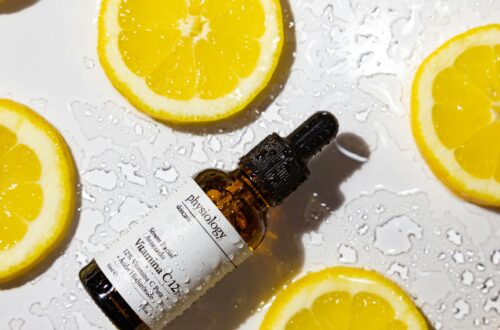
- Vitamin C serum — brightens and protects; especially important for pale skin prone to dullness
- Lightweight moisturizer — let it absorb for 60 seconds
- Tinted moisturizer with SPF — your all-in-one finish and protection step
This streamlined approach means your skin gets real skincare benefits while looking polished and even-toned. The tinted moisturizer becomes the cherry on top of an already well-nourished complexion.
Frequently Asked Questions
Can I wear tinted moisturizer every day on pale skin?
Absolutely. Tinted moisturizers are formulated for daily wear. They’re much lighter than foundation, so they’re less likely to clog pores or cause congestion with regular use. Just make sure you’re removing it thoroughly at the end of the day with a gentle cleanser.
What’s the difference between tinted moisturizer and BB cream for pale skin?
BB creams typically offer more coverage and often include more skincare actives. Tinted moisturizers are sheerer and more focused on hydration with a light tint. For pale skin, tinted moisturizers tend to look more natural and are less likely to look cakey or mask-like.
My tinted moisturizer looks too dark after an hour. What’s happening?
This is oxidation — a chemical reaction between the product’s pigments and your skin’s sebum. Try a different formula, or look for products specifically labeled “non-oxidizing.” Applying a thin layer of primer beforehand can also help slow the process.
Should pale skin use tinted moisturizer instead of foundation?
It depends on the occasion and your preference. For everyday wear, tinted moisturizer is often a better choice for pale skin because it looks more natural and skin-like. For events where you want more coverage or longevity, foundation might serve you better.
Is SPF in tinted moisturizer enough sun protection for pale skin?
SPF in tinted moisturizer is helpful but generally not sufficient on its own for pale skin in high-UV conditions. You typically don’t apply enough tinted moisturizer to achieve the labeled SPF. For everyday incidental sun exposure, it’s a good start — but layer a dedicated SPF underneath for real protection, especially if you’re spending time outdoors.
Can I mix my tinted moisturizer with my regular moisturizer to lighten the shade?
Yes! This is actually a great trick for pale skin. If a formula is slightly too dark, mixing it with a small amount of your regular moisturizer on the back of your hand before application can sheer it out and lighten the overall tone. It also extends your product, which is a nice bonus.
Conclusion: Embrace Your Pale Skin’s Natural Beauty
Finding the best tinted moisturizer for pale skin is genuinely worth the effort. When you find the right match — the right undertone, the right formula, the right level of coverage — it’s one of those rare beauty products that makes you look like a better version of yourself rather than a different person entirely.
The key takeaways? Know your undertone, prioritize skincare-forward formulas with ingredients like hyaluronic acid and niacinamide, never skip SPF, and always test before you commit. Your pale skin isn’t a challenge to overcome — it’s a canvas that, with the right tinted moisturizer, can look absolutely luminous.
Ready to explore more about building the perfect moisturizing routine? Head over to our full guide on the best moisturizer for young skin for more expert-backed tips on keeping your skin hydrated, healthy, and glowing at every stage of life.
Have a tinted moisturizer that’s been a game-changer for your pale skin? Drop it in the comments below — we’d love to hear what’s working for you!