Picture this: you’re 19, your skin already feels tight after washing, and someone hands you a bottle of hyaluronic acid serum. Your first thought is probably, “Isn’t that for older people?” It’s a completely understandable reaction — hyaluronic acid has been so heavily marketed as an anti-aging powerhouse that younger people often assume it’s irrelevant to them. But that assumption deserves a closer look. So, is hyaluronic acid good for young skin? The short answer is yes — and the longer answer explains exactly why, when, and how to use it so you actually see results.
This article is your guided walkthrough: a beginner-friendly, step-by-step breakdown of what hyaluronic acid does, whether young skin genuinely needs it, and how to build it into a simple routine without overcomplicating things.
What Exactly Is Hyaluronic Acid — and Why Does It Show Up Everywhere?
Hyaluronic acid (HA) is a naturally occurring polysaccharide (a long-chain sugar molecule) that your body already produces and stores inside your skin, joints, and connective tissue. Its job is to hold moisture in place — not by sitting on top of your skin like a film, but by acting more like a reservoir buried within the skin’s layers, drawing water from the environment and locking it in. Think of it as a sponge-like scaffold woven through your dermis (the deeper layer of skin beneath the surface), quietly keeping tissue plump and resilient.
Here’s the part most people don’t realize: your skin starts producing slightly less HA as early as your mid-twenties. By your late twenties, that decline becomes more noticeable. This is why topical HA products aren’t just for people with deep wrinkles — they’re genuinely useful for anyone whose skin feels dehydrated, tight, or dull, regardless of age.
When you apply HA topically, you’re supplementing what your skin is already doing naturally. The ingredient comes in different molecular weights — high-molecular-weight HA sits closer to the surface and provides an immediate plumping effect, while low-molecular-weight HA (and its cousin, sodium hyaluronate in skincare) penetrates more deeply to hydrate from within. Many of the best serums use a blend of both.
Does Young Skin Actually Need Hyaluronic Acid?
Quick answer (40–55 words): Yes, hyaluronic acid is beneficial for young skin. Even teenagers and people in their early twenties can experience dehydration, environmental stress, and a compromised moisture balance. Hyaluronic acid replenishes water content in skin cells, supports a healthy surface texture, and works well alongside other basics like SPF and gentle cleansers.
Young skin isn’t automatically well-hydrated skin. Dehydration (a temporary lack of water in the skin — distinct from dryness, which is a lack of oil) can affect any skin type at any age. Oily skin? Still can be dehydrated. Combination skin? Absolutely. If you’ve ever noticed that your skin looks dull, feels tight, or develops fine surface lines that disappear when you press your finger against them, you’re looking at dehydration — and HA is one of the most effective tools for addressing it.
There’s also the matter of external stressors. Air conditioning, central heating, pollution, UV exposure, and even over-cleansing strip moisture from skin faster than your body can replenish it. Young skin is not immune to any of these. For a deeper look at how this applies specifically during the teenage years, the guide on hyaluronic acid for teenage skin covers the nuances in detail.
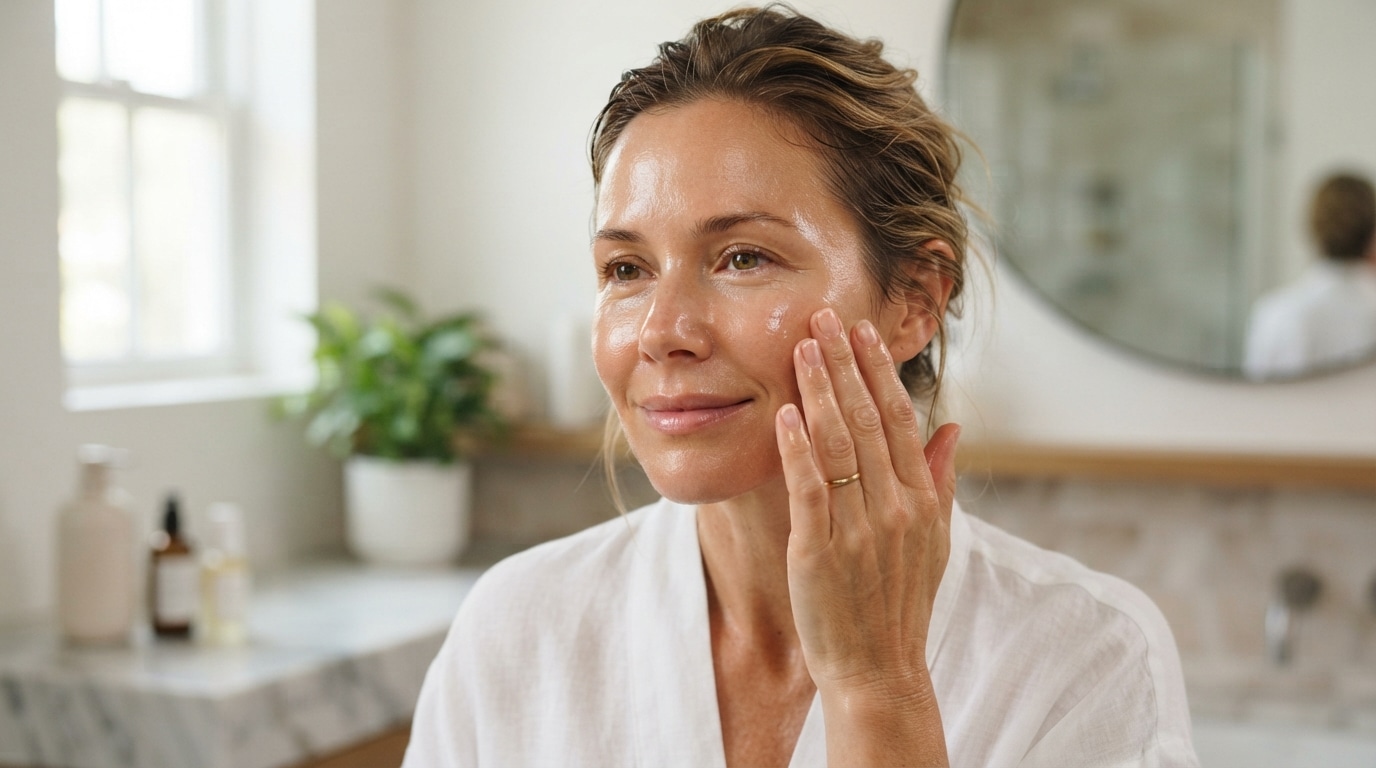
Step-by-Step: How to Add Hyaluronic Acid to a Young Person’s Routine
One of the most common beginner mistakes is applying HA incorrectly — specifically, applying it to completely dry skin. When there’s no ambient moisture for it to draw in, HA can actually pull water out of your skin’s deeper layers instead, leaving you feeling drier than before. Here’s how to avoid that and get the most out of it:
Step 1: Cleanse Gently
Start with a mild, non-stripping cleanser. Harsh cleansers remove your skin’s natural oils and disrupt the protective acid mantle (the slightly acidic film on your skin’s surface that keeps bacteria out and moisture in), making everything that follows less effective. Pat your face dry — don’t rub — and leave your skin slightly damp.
Step 2: Apply Your Toner or Essence (Optional but Helpful)
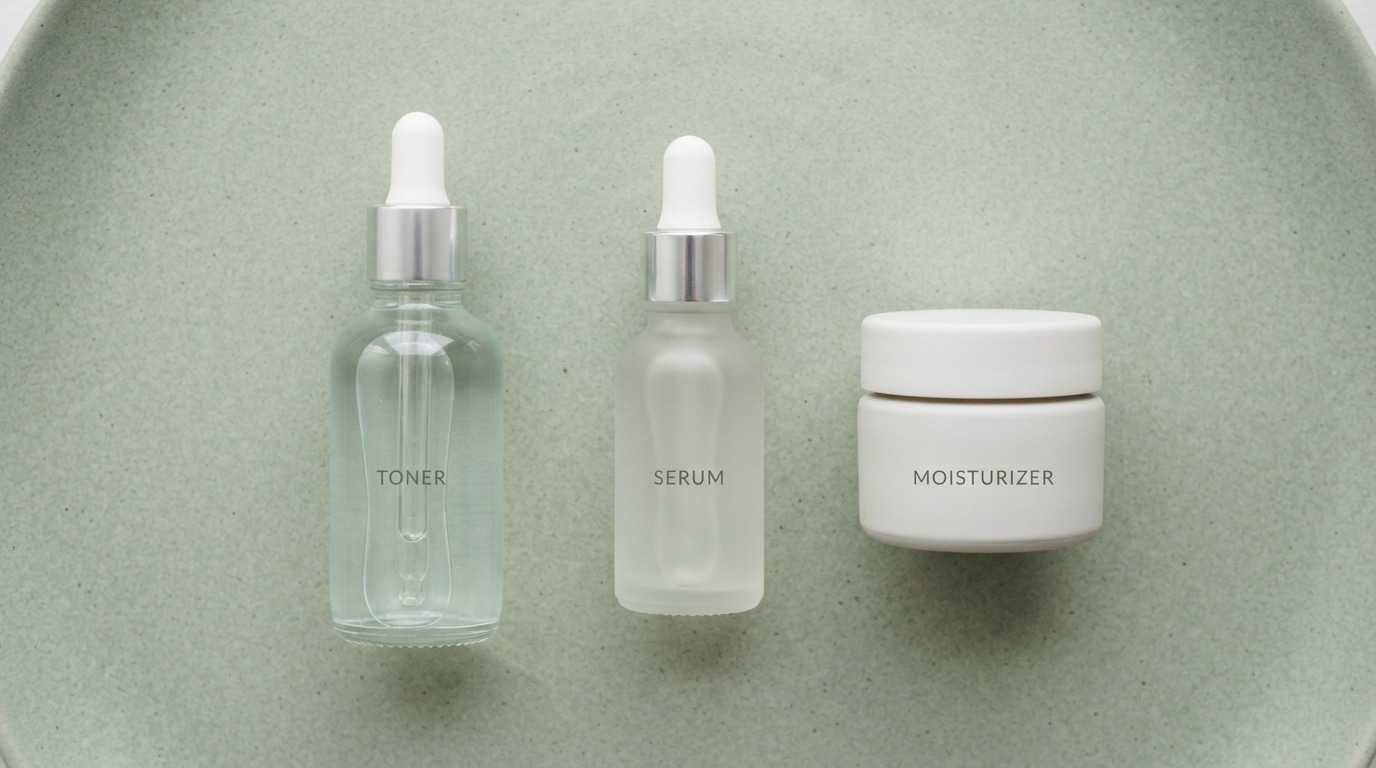
If you use a hydrating toner, apply it now. This gives your skin an extra layer of moisture for the HA to work with. Not a mandatory step for beginners, but it amplifies results. Understanding what step hyaluronic acid fits into your skincare routine is genuinely important — getting the order wrong is one of the most common beginner errors.
Step 3: Apply Your HA Serum to Damp Skin
Dispense 2–3 drops of serum onto your fingertips and press it gently into your face and neck. Don’t rub aggressively — pressing and patting encourages absorption without dragging the skin. Your skin should still feel slightly moist from the previous step.
Step 4: Seal It In with a Moisturizer
This is non-negotiable. Hyaluronic acid is a humectant (an ingredient that draws water in), not an occlusive (an ingredient that seals moisture in). Without a moisturizer on top, the water it attracts can evaporate. Choose a lightweight gel-cream for oily or combination skin, or a richer cream for dry skin types.
Step 5: SPF in the Morning
UV exposure degrades HA in the skin — both the kind you apply and the kind your body makes. Sunscreen is the single best way to protect your skin’s existing HA reserves. Apply it as the final step in your morning routine, every day.
Honest Pros and Cons of Using Hyaluronic Acid on Young Skin
Before you run out and buy every HA product on the shelf, here’s a balanced view:
- Pro: Suitable for almost all skin types, including oily and acne-prone skin — it’s non-comedogenic (won’t clog pores).
- Pro: Lightweight formulas layer easily under SPF and makeup without pilling.
- Pro: Addresses dehydration quickly — most people notice a difference in texture within a few days.
- Pro: Gentle enough to use twice daily; very low risk of irritation or sensitivity.
- Con: Can backfire in dry climates if applied without a proper moisturizer on top — the humectant effect works against you.
- Con: Doesn’t address oil production, acne, or hyperpigmentation on its own — it’s a hydration tool, not a treatment.
- Con: Serums vary wildly in quality; a product with HA listed tenth on the ingredient list won’t do much.
Should Young Skin Use Oral Hyaluronic Acid Too?
Topical HA is just one approach. There’s growing evidence that ingestible HA — taken as a supplement — can support skin hydration from the inside out, particularly for people whose diet or lifestyle leaves their skin looking lackluster. If you’re curious about this route, the research on the best hyaluronic acid supplements for skin is worth exploring before you invest. Supplements aren’t a replacement for topical care, but they can complement it, especially if your skin tends to be persistently dry despite a solid routine.
Here’s an insider tip worth knowing: oral HA supplements tend to work best when combined with vitamin C, which plays a role in how your body synthesizes collagen and supports connective tissue — the same tissue that benefits from HA. If you go the supplement route, look for formulas that pair the two.
Hyaluronic Acid vs. Sodium Hyaluronate: Does It Matter for Young Skin?
If you’ve been reading ingredient labels, you’ve probably noticed that many products list sodium hyaluronate rather than hyaluronic acid. These are closely related but not identical. Sodium hyaluronate is the salt form of hyaluronic acid — it has a smaller molecular size, which means it penetrates the skin’s surface more readily than standard HA. For young skin, this can actually be an advantage: deeper hydration with a lighter feel on the skin.
The full breakdown of how sodium hyaluronate works in skincare gets into the chemistry in more detail, but the practical takeaway is simple: if a product contains sodium hyaluronate, it’s not a lesser substitute — in many ways, it’s doing more of the heavy lifting.
Does that mean you should always choose sodium hyaluronate over HA? Not necessarily. The best products use multiple forms at different molecular weights to hydrate at both the surface and deeper layers simultaneously. Look for ingredient lists that include more than one form of HA for the most comprehensive effect.
Hyaluronic Acid Product Picks for Young Skin
These picks are tailored for younger skin types — lightweight, non-comedogenic, and focused on hydration without heaviness. Each one brings something slightly different to the table.
The Ordinary Hyaluronic Acid 2% + B5
Brand: The Ordinary
Key Ingredients: Multi-weight hyaluronic acid, vitamin B5 (panthenol)
A budget-friendly classic that uses three different molecular weights of HA alongside B5, which enhances surface smoothness. Ideal for beginners who want to understand what HA alone can do before layering in other actives. Fragrance-free and suitable for sensitive skin.
Neutrogena Hydro Boost Water Gel
Brand: Neutrogena
Key Ingredients: Hyaluronic acid, dimethicone
A lightweight gel-cream that works as both a serum and a moisturizer in one step — great for oily or combination young skin that finds traditional moisturizers too heavy. The gel texture absorbs fast and doesn’t interfere with makeup or SPF layered on top.
La Roche-Posay Hyalu B5 Serum
Brand: La Roche-Posay
Key Ingredients: Hyaluronic acid, vitamin B5, madecassoside
Particularly well-suited for young skin that’s been over-exfoliated or is dealing with a disrupted skin barrier. Madecassoside (a soothing compound derived from centella asiatica) helps calm irritation while the HA restores hydration. Dermatologist-tested and fragrance-free.
CeraVe Hydrating Hyaluronic Acid Serum
Brand: CeraVe
Key Ingredients: Hyaluronic acid, ceramides, niacinamide
A smart pick for young skin that’s also dealing with uneven tone or occasional breakouts. The ceramides support the skin’s structural integrity while niacinamide (a form of vitamin B3 that regulates oil and brightens) addresses texture and redness. A genuinely multi-tasking formula.
Vichy Minéral 89 Hyaluronic Acid Face Serum
Brand: Vichy
Key Ingredients: Hyaluronic acid, Vichy mineralizing water
Formulated with mineral-rich volcanic water from France, this serum is a good choice for young skin exposed to pollution or environmental stress. Lightweight, fast-absorbing, and gentle enough for daily use morning and evening.
Frequently Asked Questions
Can hyaluronic acid cause breakouts on young, acne-prone skin?
HA itself is non-comedogenic and very unlikely to cause breakouts. However, some serums include additional ingredients — silicones, certain oils, or fragrance — that may not agree with acne-prone skin. Always check the full ingredient list, not just the hero ingredient.
How long does it take to see results from hyaluronic acid?
Surface hydration and a smoother texture are usually noticeable within 24–72 hours of consistent use. Deeper, more lasting improvements in skin suppleness typically develop over 4–8 weeks of daily application.
Is it safe to use hyaluronic acid every day?
Yes — twice daily is perfectly safe and actually recommended for most people. Morning and evening application keeps hydration levels consistently topped up throughout the day and overnight repair cycle.
Can I use hyaluronic acid with retinol or exfoliating acids?
Absolutely. HA is one of the best partners for actives like retinol or AHAs because it counteracts the dryness and irritation those ingredients can cause. Apply HA after your active, then seal with moisturizer.
Does drinking more water replace the need for topical hyaluronic acid?
Hydration from the inside matters, but it doesn’t directly translate to skin surface hydration in the way topical HA does. Think of them as complementary approaches rather than substitutes for each other.
Conclusion: Start Simple, Stay Consistent
If you’ve been wondering whether hyaluronic acid is relevant to you as a younger person, the answer is a clear yes — but with context. It’s not a miracle worker, and it won’t replace SPF, a gentle cleanser, or a balanced diet. What it will do is give your skin a reliable hydration foundation that makes everything else in your routine work better.
The key is application technique: damp skin, a proper moisturizer on top, and sunscreen in the morning. Get those three things right, and HA becomes one of the most rewarding additions to a young person’s skincare routine — straightforward, effective, and genuinely kind to skin at any age.
Your next step: Start with a single HA serum (one of the picks above works well), use it morning and evening for two weeks, and pay attention to how your skin’s texture and comfort level change. You don’t need a 10-step routine to see a difference — just the right ingredients, used correctly.